The Central Park Effect

I made my first ever birding trip to Central Park accompanied by filmaker Jeff Kimball who is responsible for a great documentary that has recently been released called Birders: The Central Park effect. You must check it out as it is incredible. www.centralparkbirdfilm.com
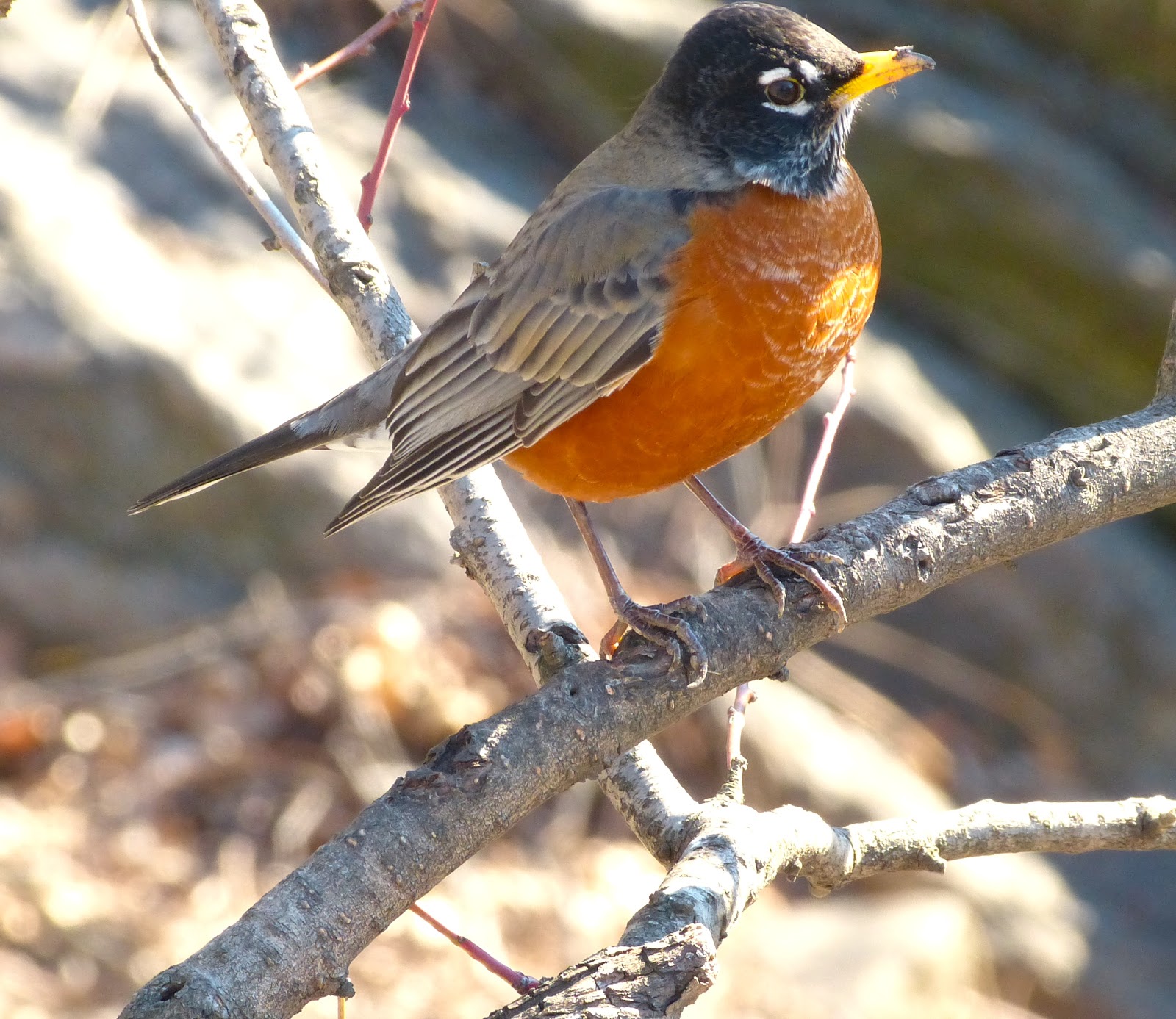
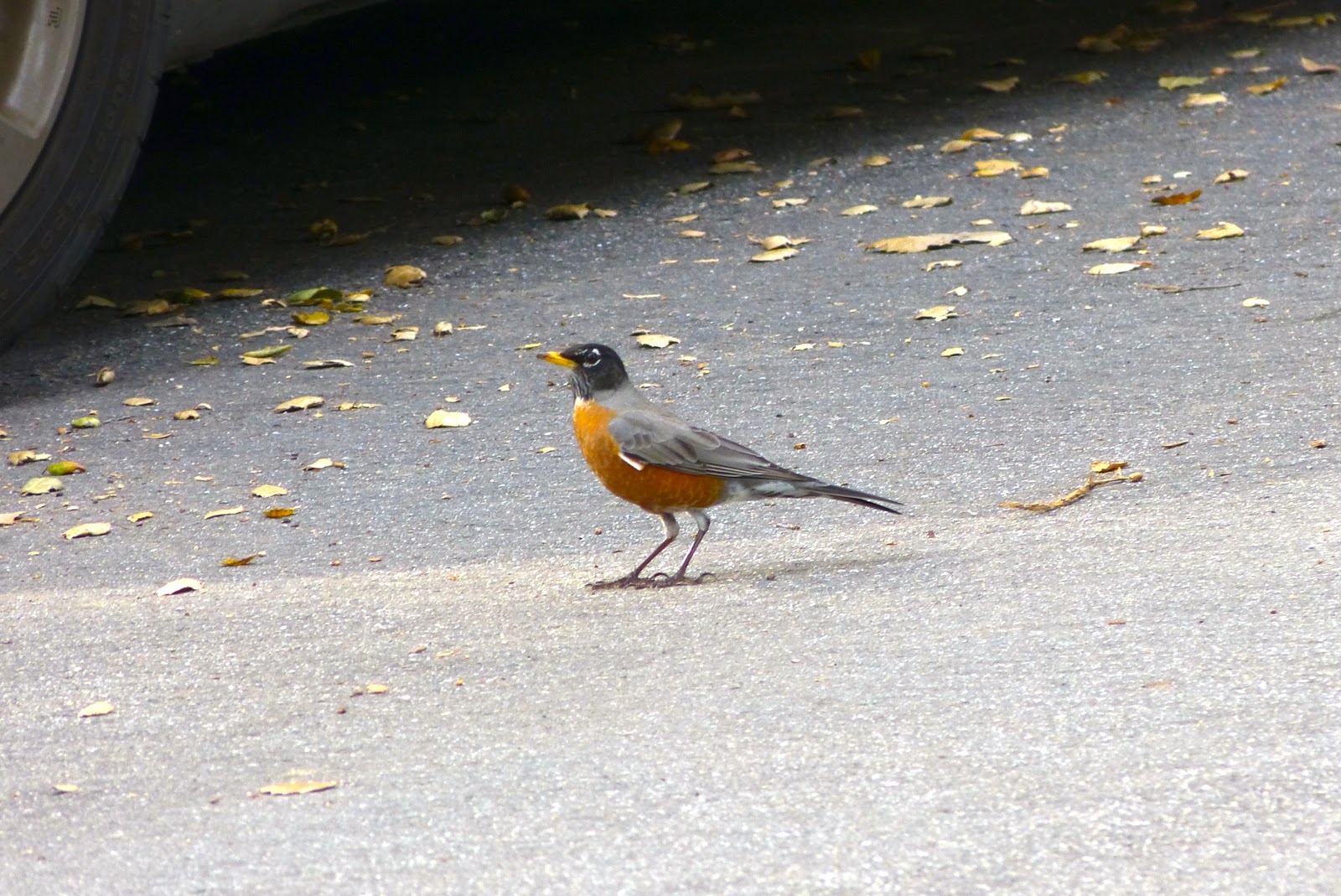
 American Robin
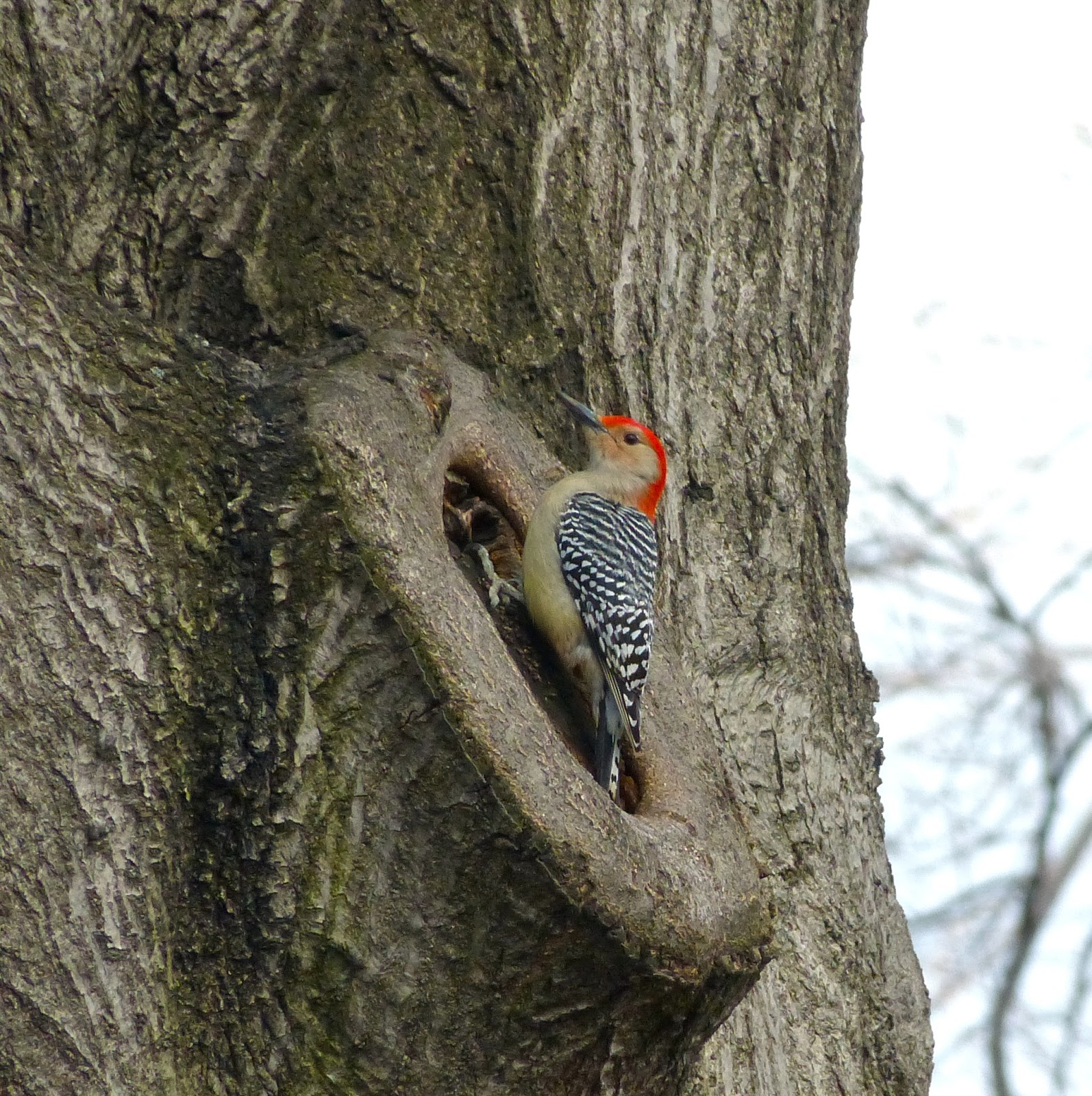
 Red-bellied Woodpecker -male
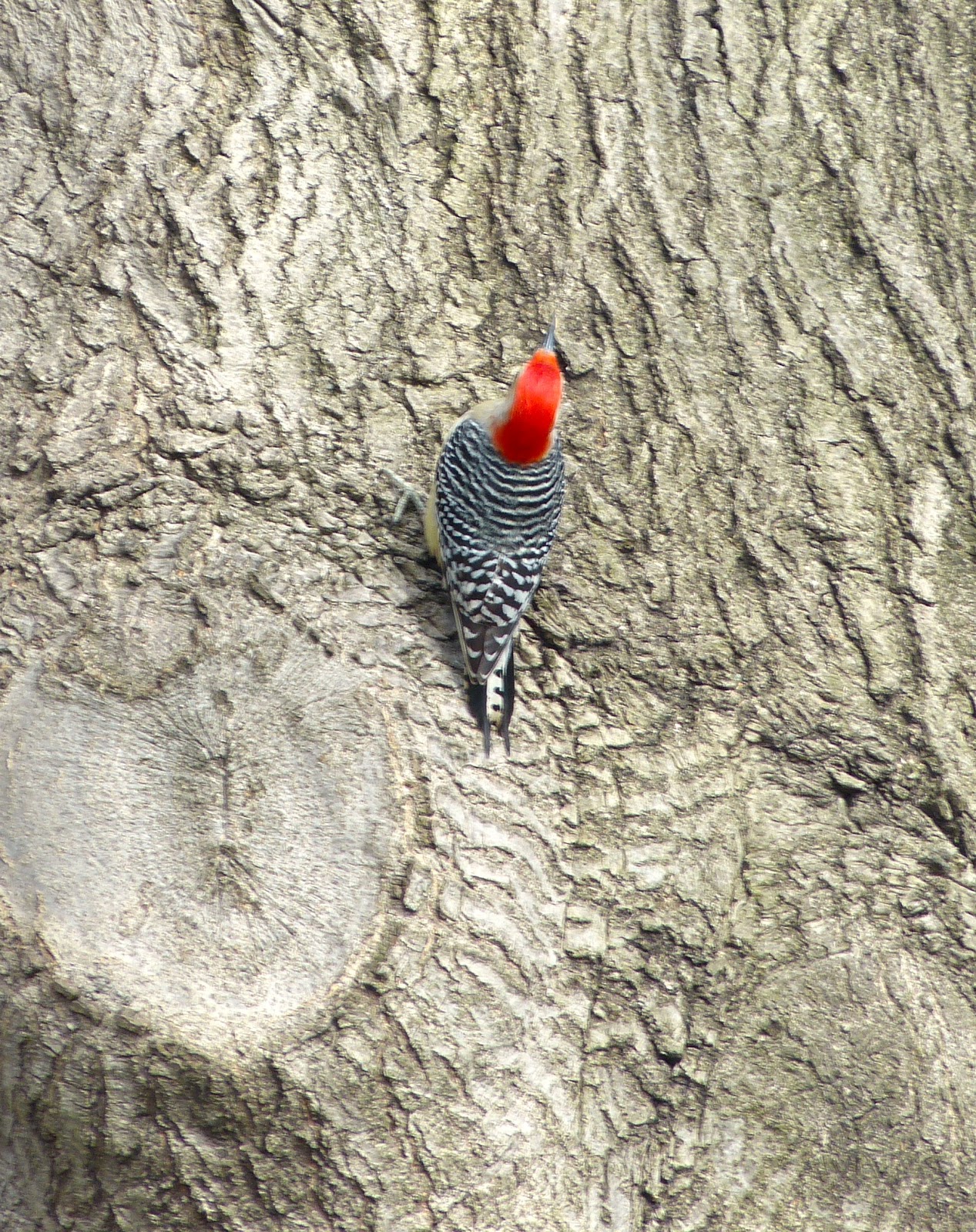
 Red-bellied Woodpecker – back view
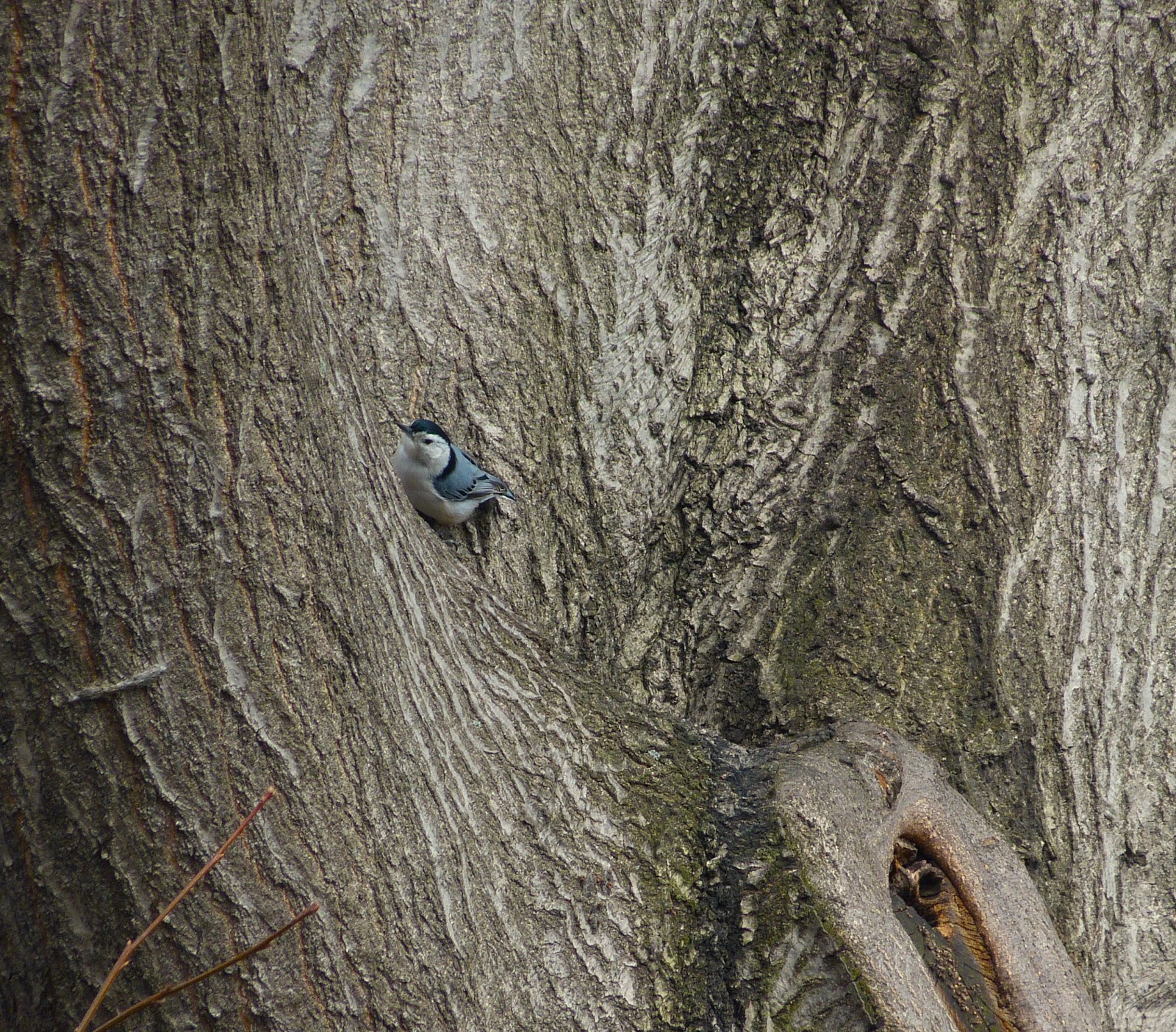
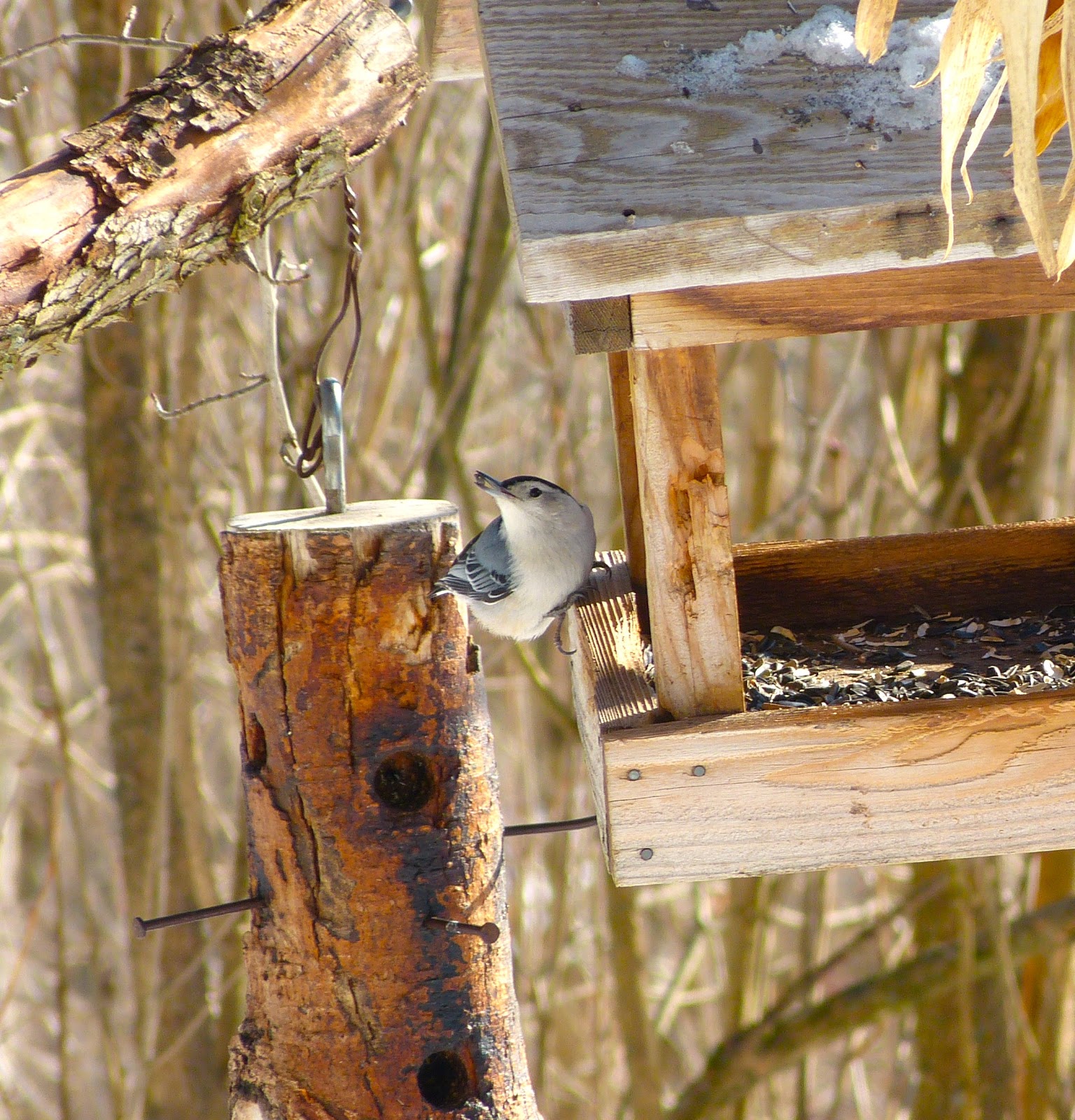
 White-breasted Nuthatch
 Downy Woodpecker – male
 Downy Woodpecker – closer view
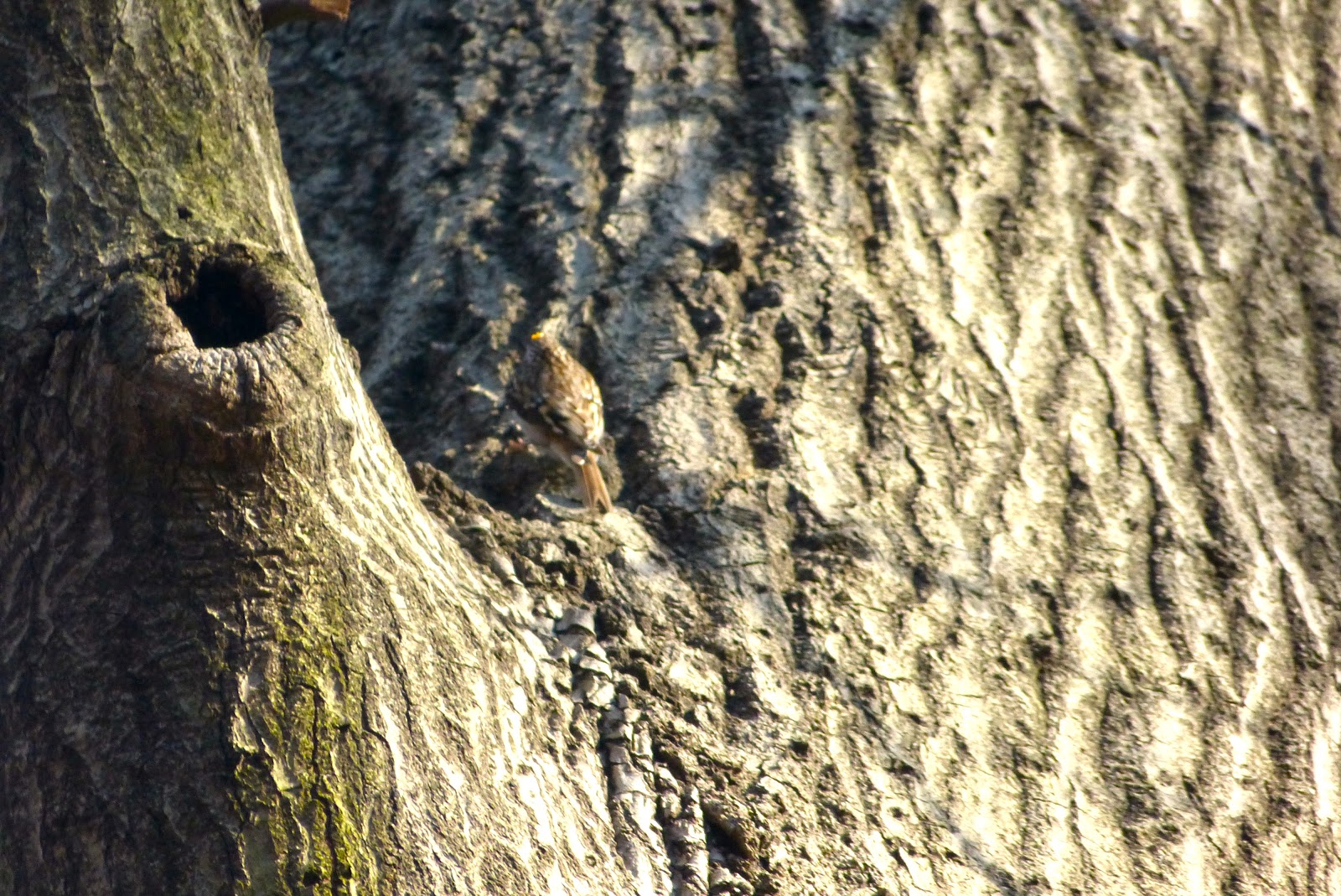
 A fuzzy pic of a Brown Creeper – tick!!
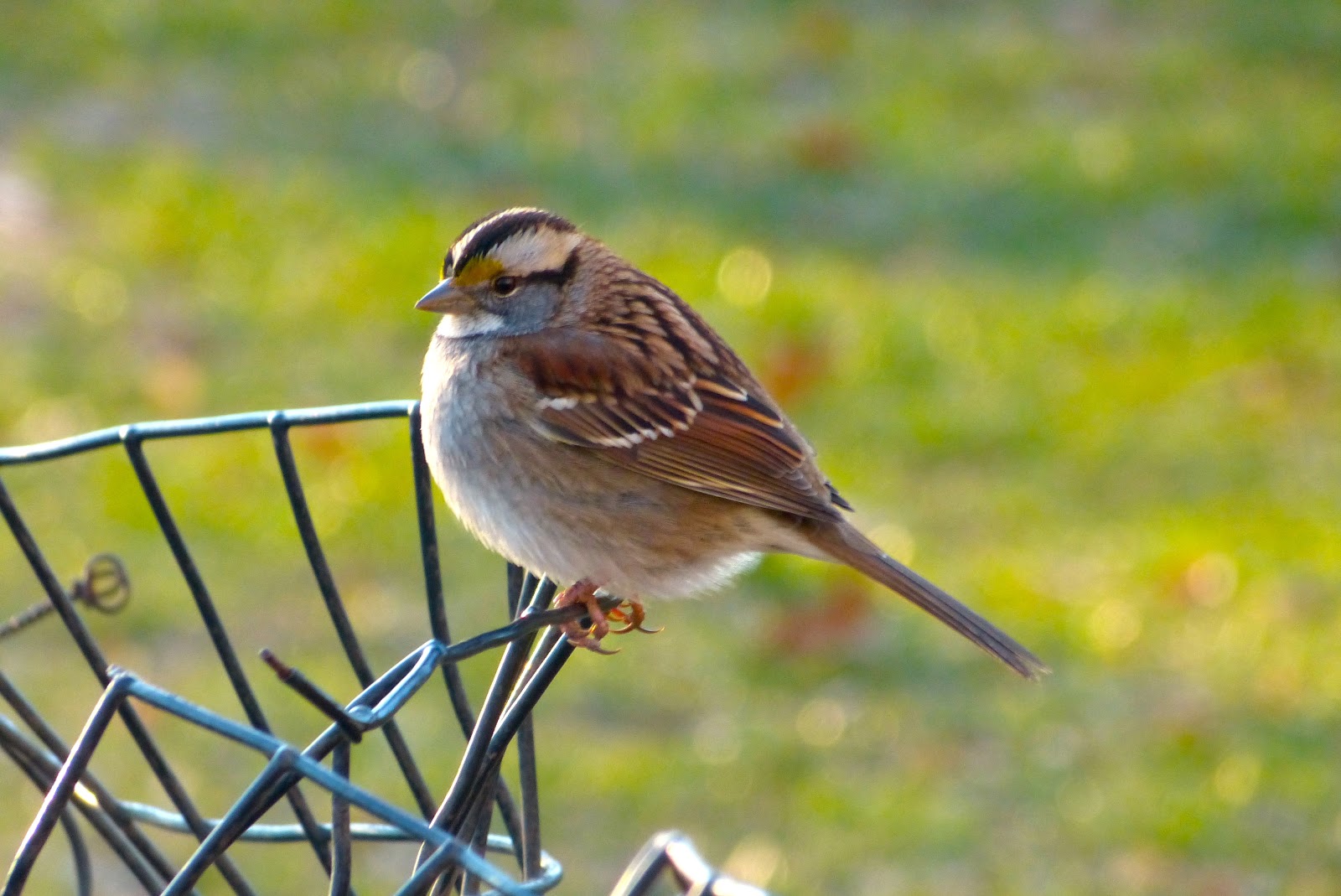
 White-throated Sparrow
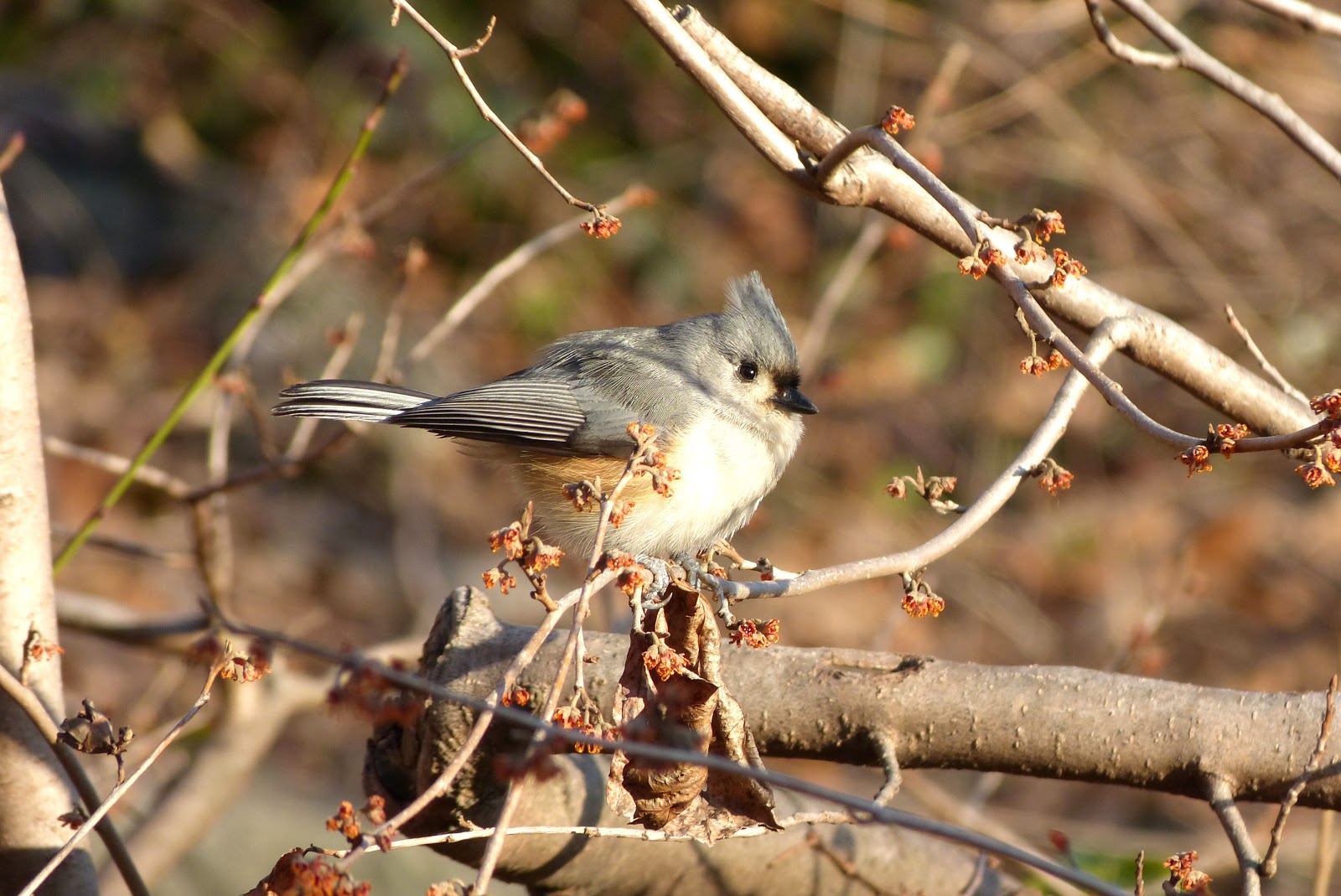
 Tufted Tit
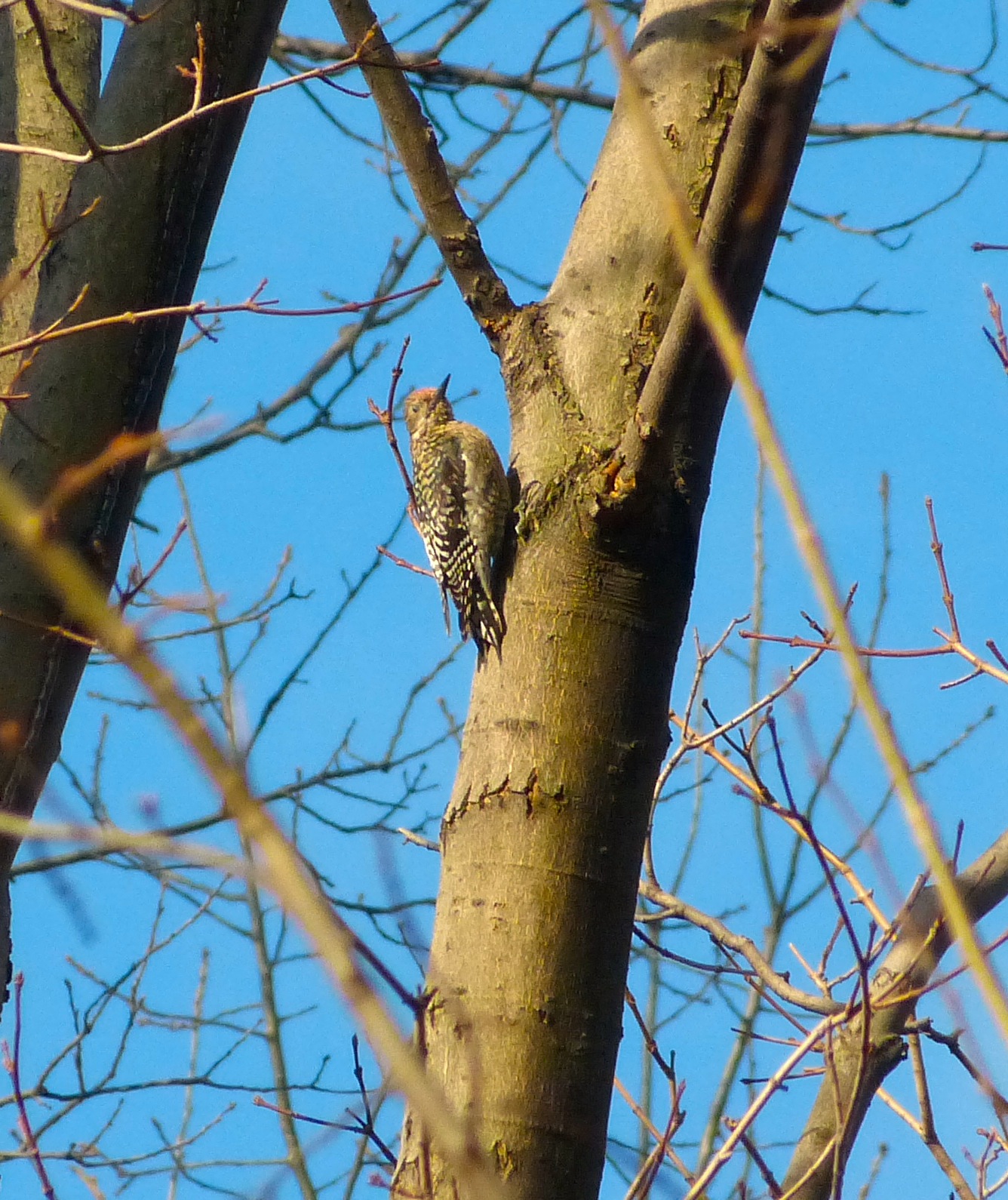
 Yellow-bellied Sapsucker – juvenile. Tick!!
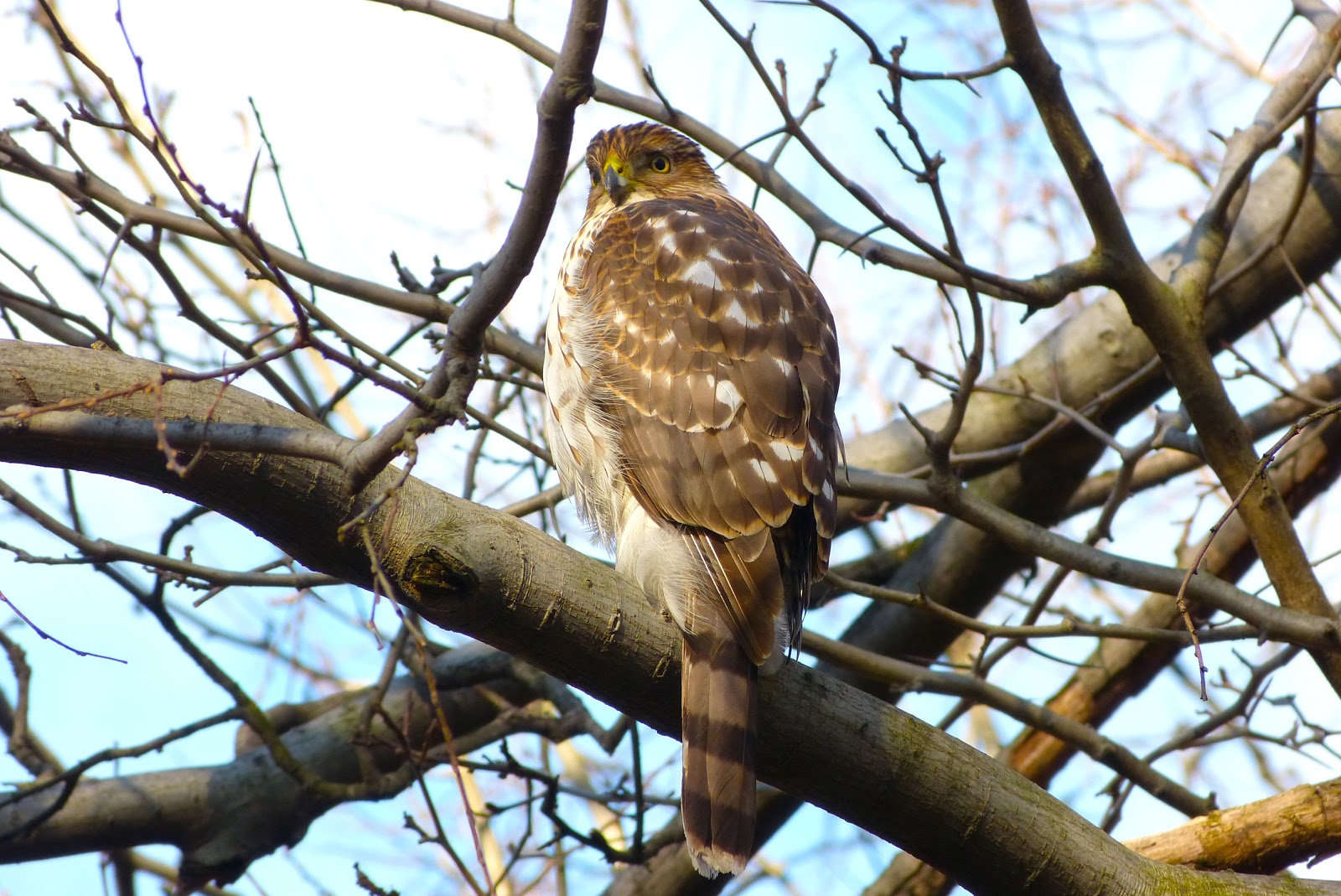
 Red-tailed Hawk – immature
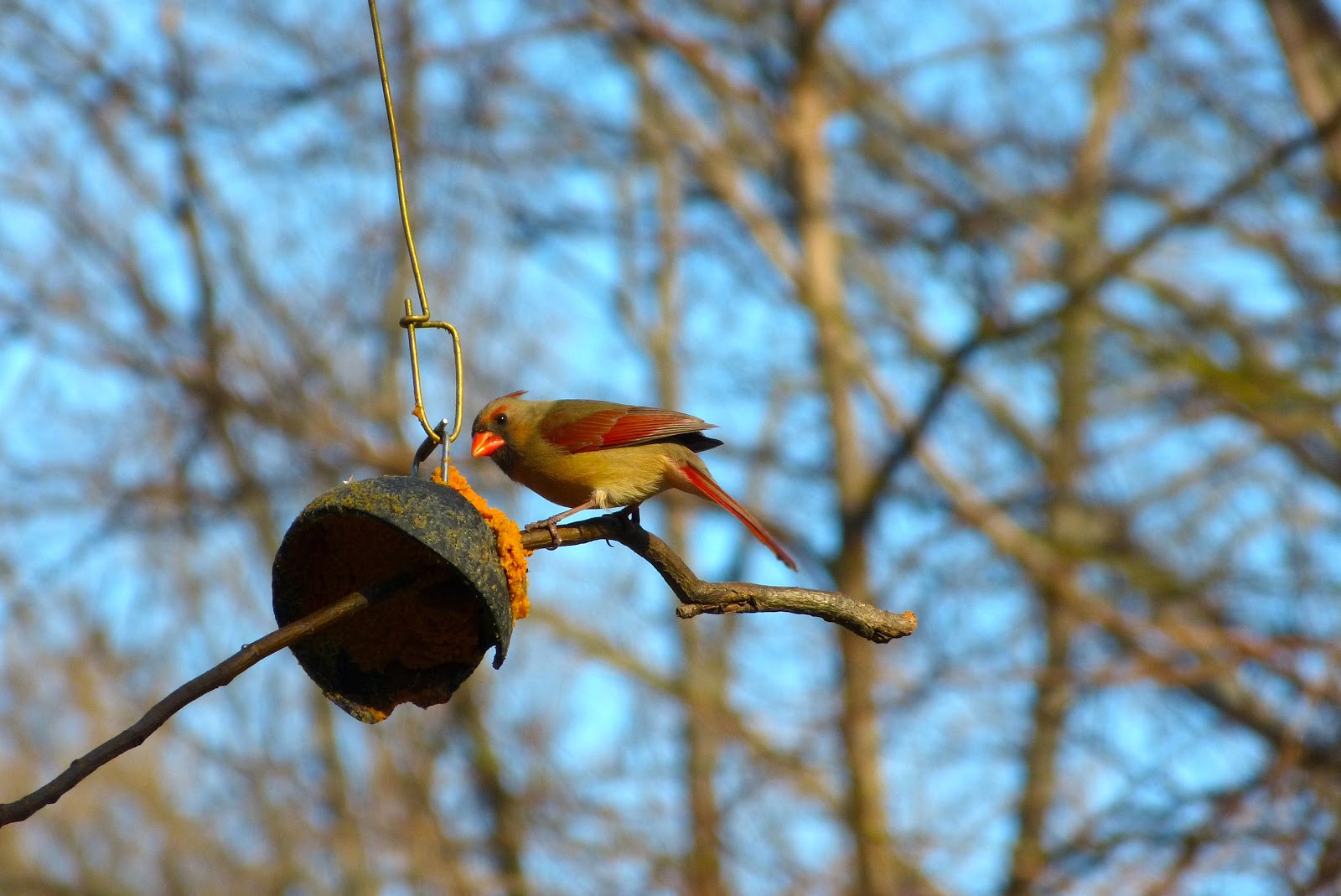
 Northern Cardinal – female 
Common Grackle

I had two new birds today: Yellow-bellied Sapsucker and Brown Creeper. Was well pleased with those. We also dipped on Barred Owl, Saw-whet Owl, Iceland Gull and a wayward Black-headed Gull!

I’ll tell you one thing though, it was bloody freezing out there today!!

I kissed an Eskimo Curlew……

…. and I stroked a Ivory-billed Woodpecker!
For those who don’t know, both of those species are deemed extinct by the greater scientific community. I was privileged to get back stage access to see specimens of these enigmatic birds whilst on a guided tour of the Cornell Laboratory of Ornithology in Ithaca, New York State.
I gave a talk at the Lab last night that went very well but the highlight of my visit was without doubt going through the draws looking at skins and mounts.
 An Eskimo Curlew
 Look out for this bird – there may still be a few around 

 Male Bachman’s Warbler
 Passenger Pigeon
A tray of Bachman’s Warblers

Passenger Pigeons were of course hunted to extinction by the early 1900’s and the last bird, Martha, died in Cincinnati Zoo in 1913, I believe. They were perhaps the most abundant bird species ever to flap over the earth and it’s startling to think about how quickly they were all killed off.

The Eskimo Curlew story has a similar sad ring to it. They too were hunted mercilessly and the last probable sighting was a couple birds seen on migration in Texas during the 80’s. However, I think that the last official sighting was in 1962.

Bachman’s Warbler is a bit of anomaly. They have have simply just disappeared. Perhaps they were never numerous and perhaps they lost out due to habitat loss. They haven’t been seen for a number of years either.

I think that we should all get out there – especially if you are US citizens – and look for these birds. You never know, you could be the person to find one of the three most wanted birds of all time!

Upstate New York: Welcome to the arctic!

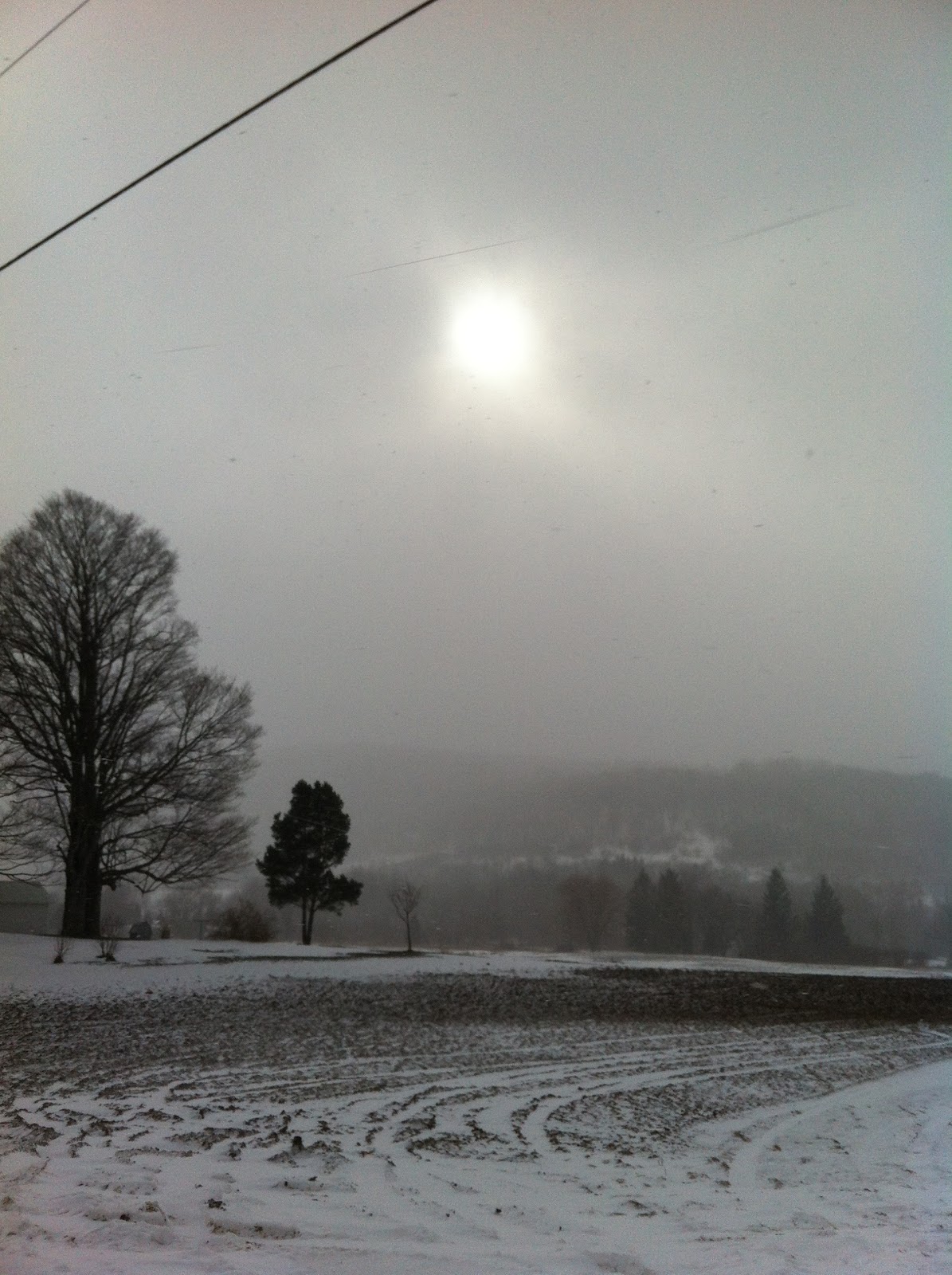
I’ve been cold in recent years but never as cold as I was today birding around Upstate New York not a million miles from Cortland – at least four hours drive west of NYC.

 Brrrrr!!
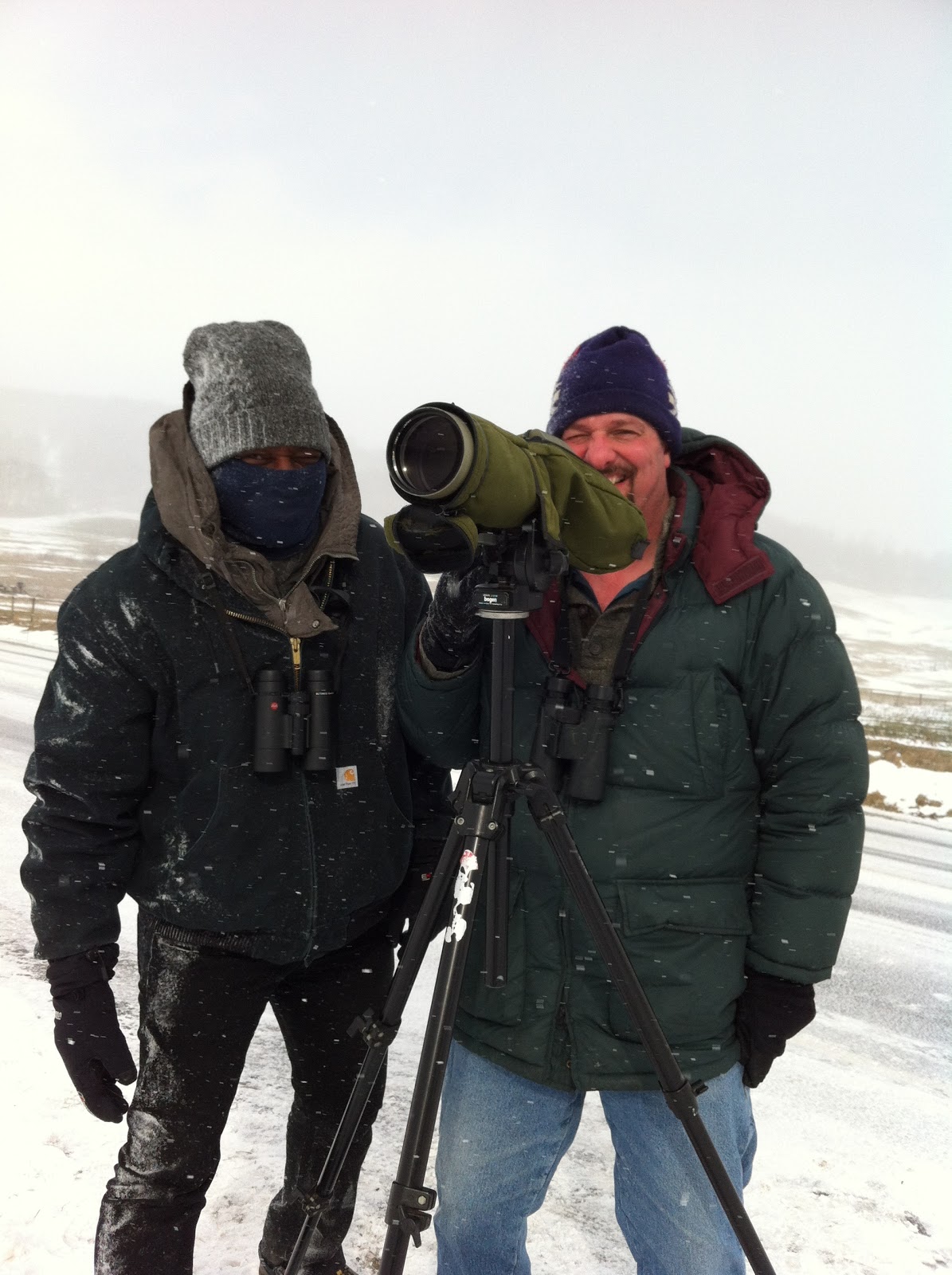
 Double brrrrr! TUB with Cornell Lab of Ornithology’s Matthew Young
 Treble brrrrrrr!!
 Blue Jay
 Black-capped Chickadee
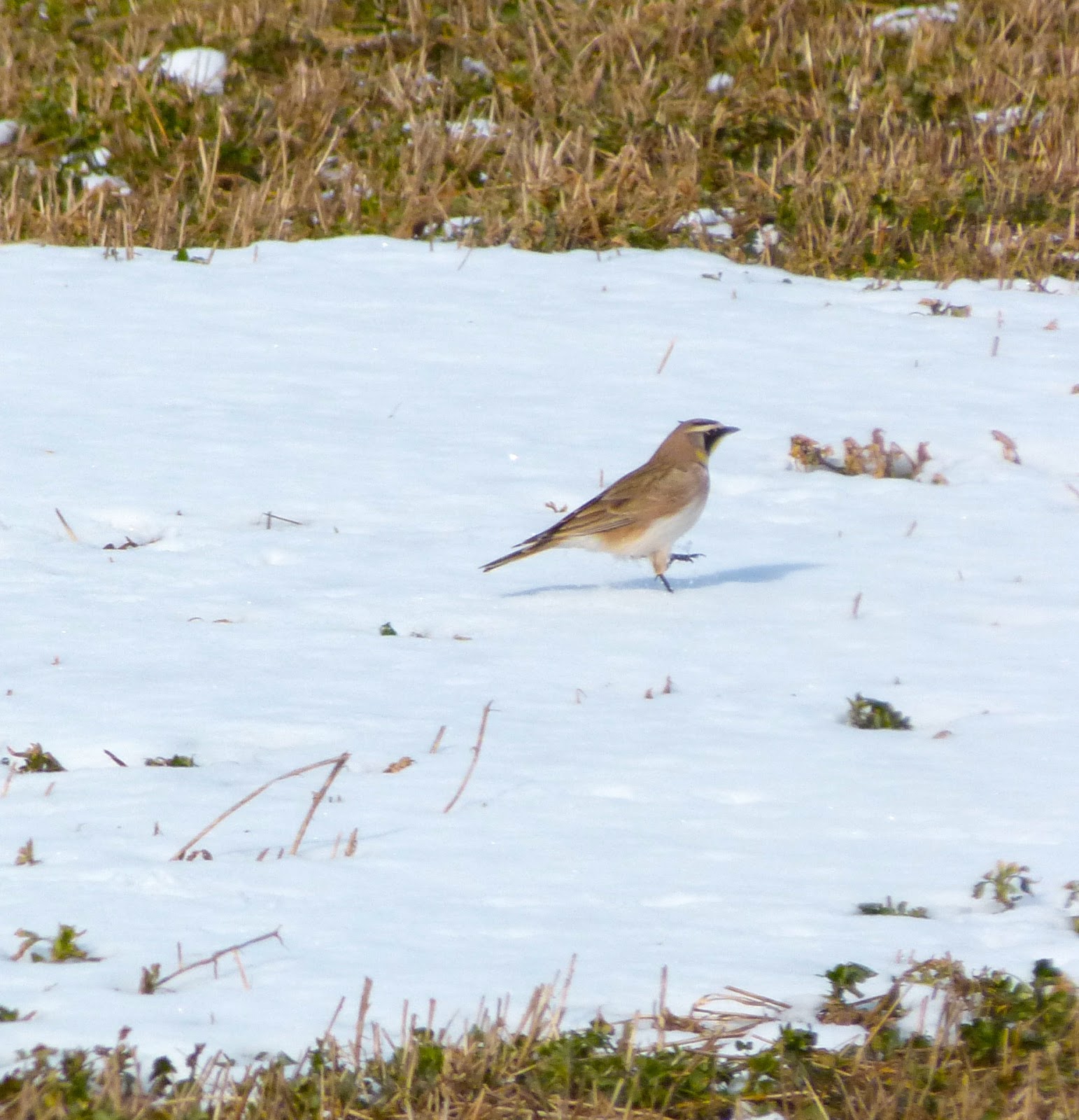
 Horned Lark
 Singing Horned Lark
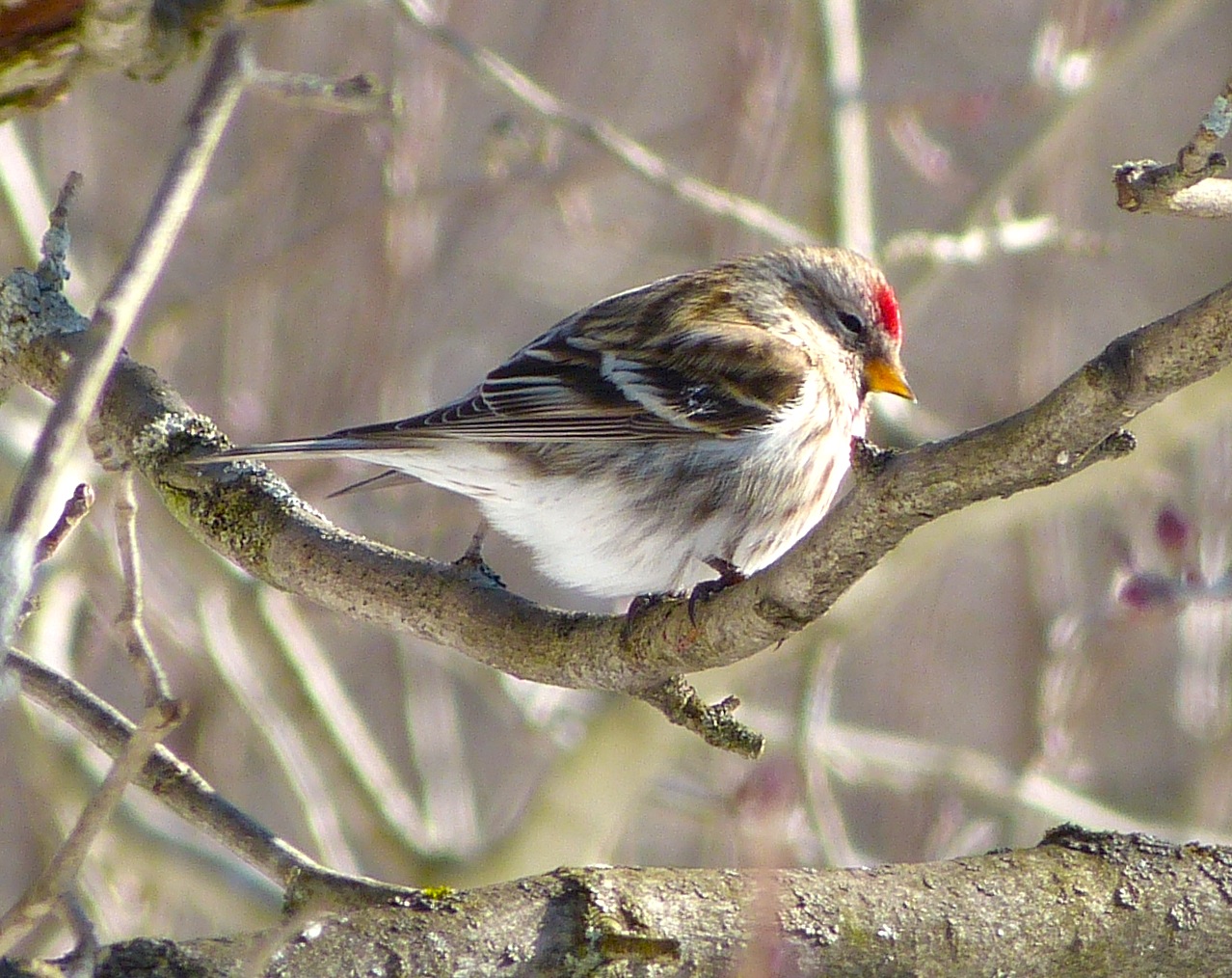
 Female Mealy Redpoll
 Mealy Redpoll
 White-breasted Nuthatch
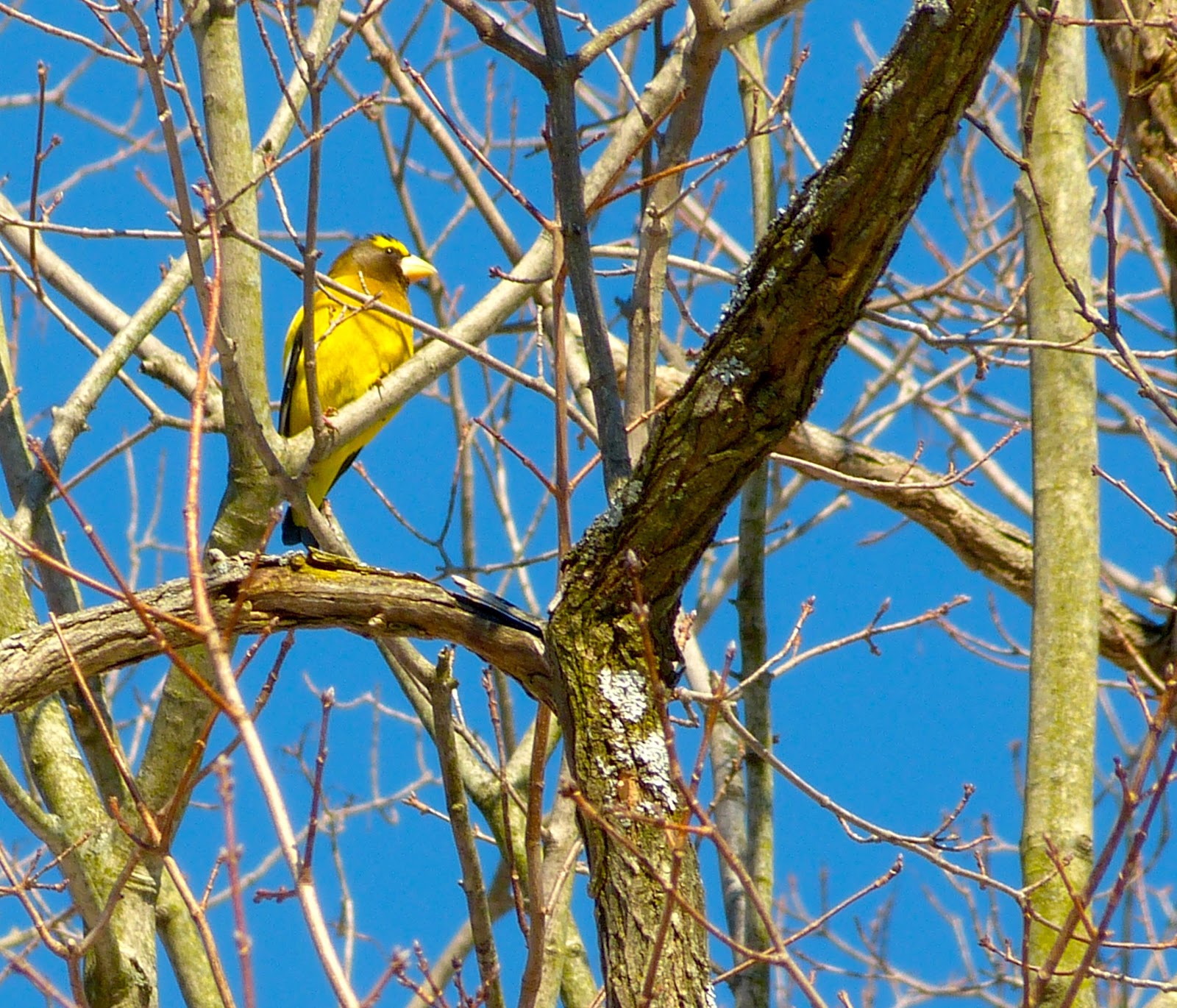
Male Evening Grosbeak

Despite the biting cold I had a fabulous day birding mostly visiting bird feeding stations dotted around the vicinity. We saw maybe six Hoary (or Arctic) Redpolls and at least 600 Mealy Redpolls including around 300 close up nervous birds at one feeding station!

We also saw at least 60 Evening Grosbeaks – a lifer for me. Annoyingly, my camera battery conked out quite early on and I missed several brilliant opportunties to photograph this gorgeous relative of the Hawfinch at close range. Other great birds included a horde of Horned (Shore) Larks, a magnificent Rough-legged Hawk (Buzzard) and a couple of Snow Buntings seen in an arctic snow blizzard that suddenly kicked up.

Give me hot weather any day!

Last day in New Jersey

 Red-tailed Hawk
 TUB and Rob Fergus aka Birdchaser
 A blurry female Golden-crowned Kinglet
 Song Sparrow
An Eastern Screech Owl by torchlight in a New Jersey barn

Nowhere near Jersey Shore

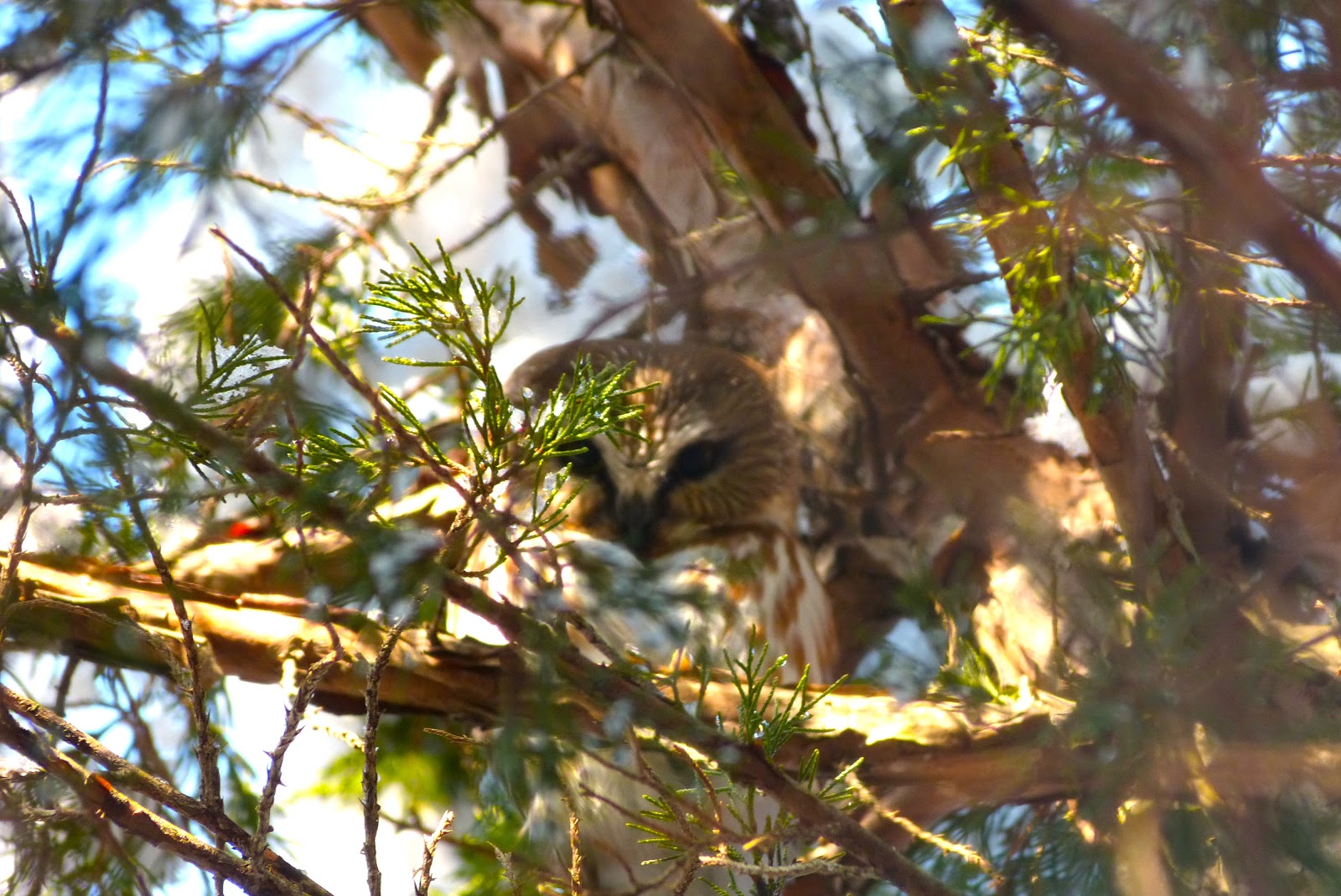
 A partially hidden Saw-Whet Owl
 Turkey Vulture
 Black Vulture
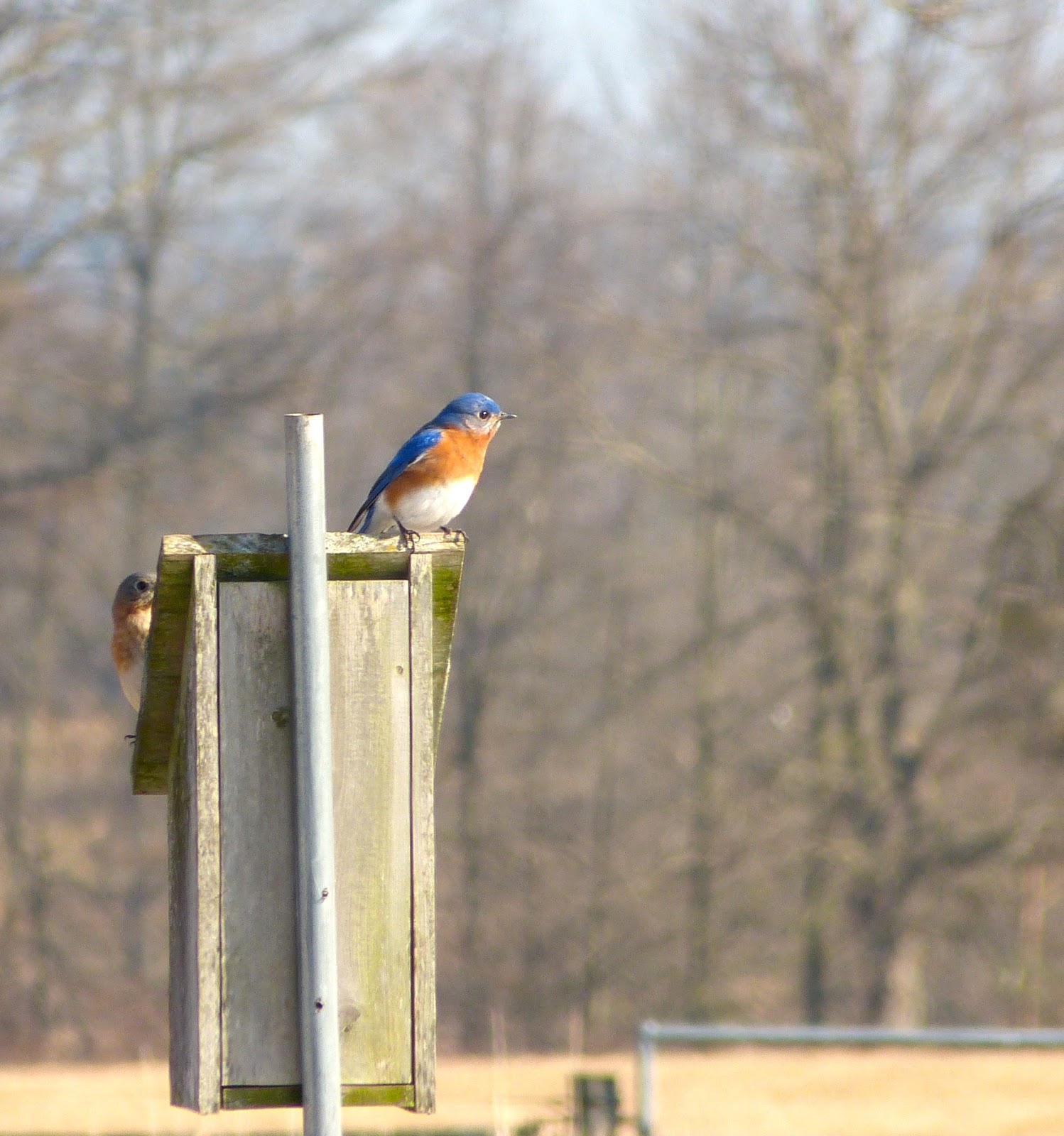
 Eastern Bluebird
 Ring-billed Gulls
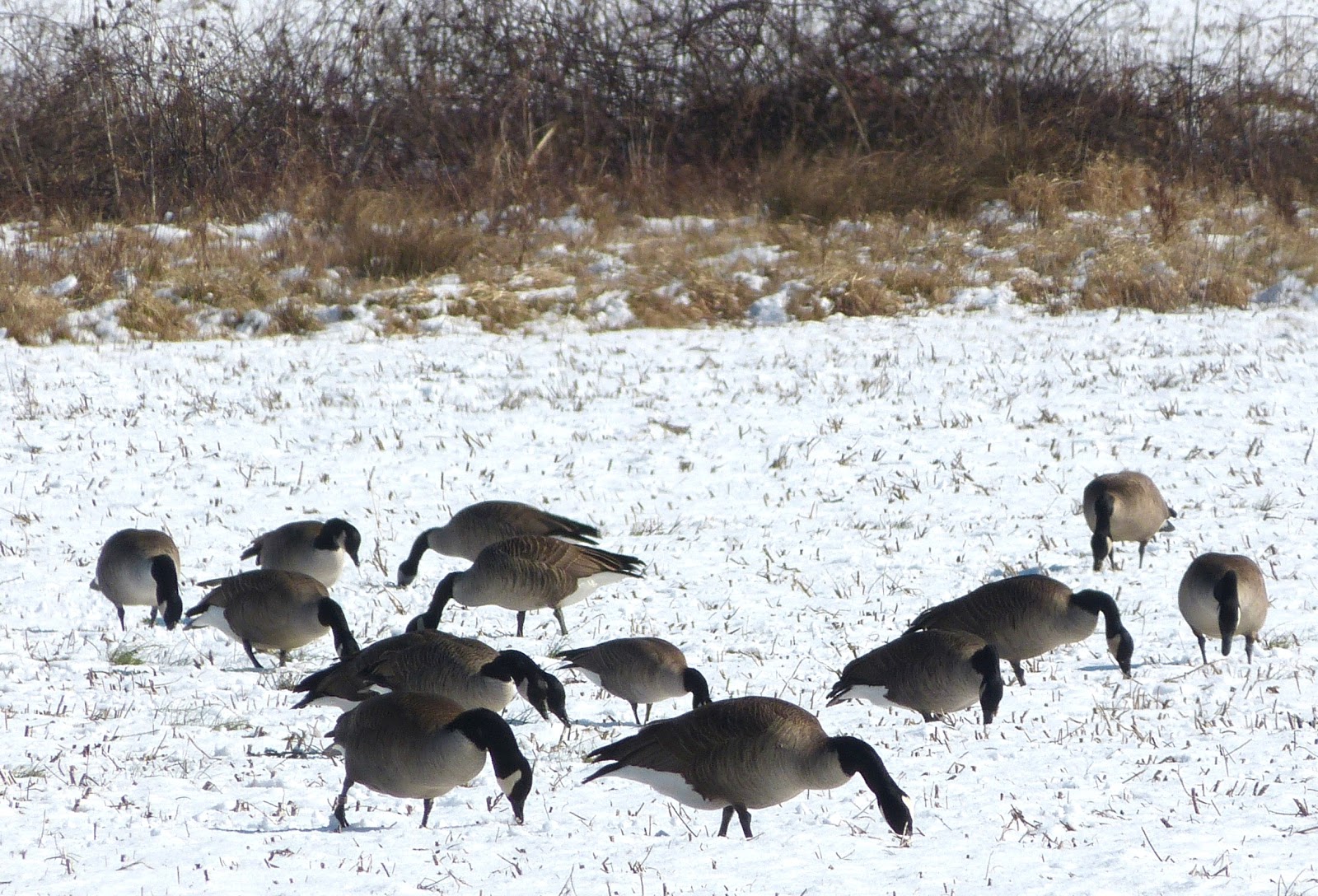
Cackling Goose (centre) with larger Canada Geese
After saying my goodbyes to Cape May, I drifted north on a night drive to Hunterdon, New Jersey in at times quite persistent snow. I was going to stay with Rob Fergus aka The Birdchaser, a birding crazy ornithologist whose main area of expertise is urban birds. So we were kindred spirits.

After ousting his youngest daughter out of her bedroom, Rob put me up for the night and today we spent all the daylight hours (and most of the dusk) birding in the vicinity. I had one tick in the shape of a couple Saw-Whet Owls and saw some new birds for the trip like Merlin, a brief Long-eared Owl, Redhead and Lesser Black-backs.

On one of our drives to a different location we came across a bunch of Canada Geese feeding in a snow covered field. After a brief roadside scan Rob discovered a minute Cackling Goose in amongst the flock. The small size was totally apparent and its bill was particularly compact.

I’ve decided to stay an extra day with Rob and his family instead of journeying to New York City (an hour away) to stay with my cousin Orville for Friday. My logic is that I can leave Rob’s early on Saturday morning and cut cross country to my next destination – the Cornell Laboratory for Ornithology in Ithaca, New York State. It makes more sense than to go to NYC to battle for a parking space on Friday and to then barge through the city again on Saturday morning to get to Ithaca.

I love a good plan!

Goodbye Cape May

 My hosts; Richard & Debbie Crossley with TUB – thanks guys!
 Killdeer
 The sun setting
 A Mute Swan with a lone Tundra Swan
 Cape May beach life
 Snow Bunting
 Horseshoe Crab shell
 Megan and Mike Crewe
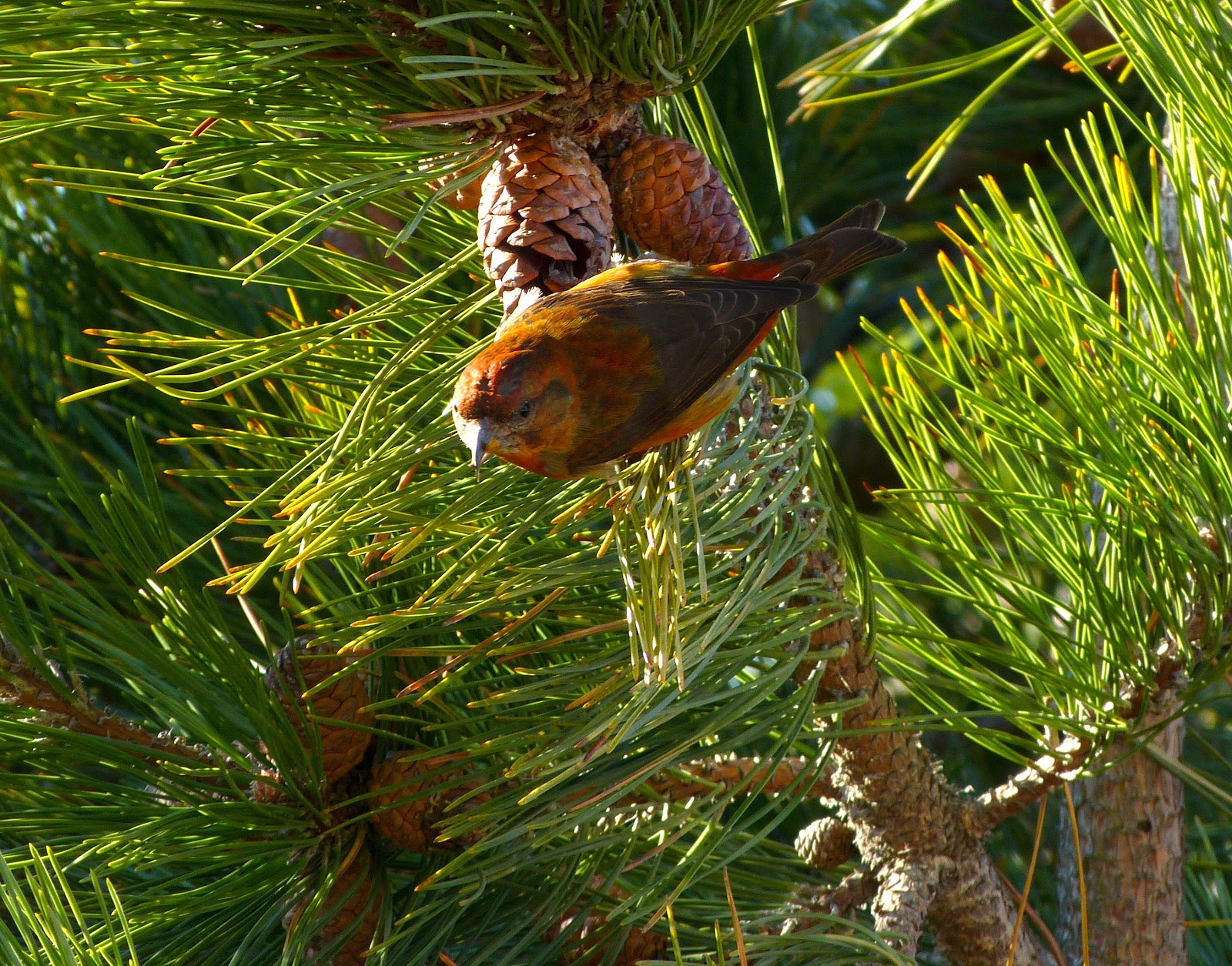
A female Red Crossbill 
 American Herring Gull
 Another Cedar Waxwing
Great Black-backed Gull

Cape May Birding

Had a great 10 hours birding in the bright sunshine yesterday at Cape May with great results. Saw a good number of birds some of which I managed to photograph.
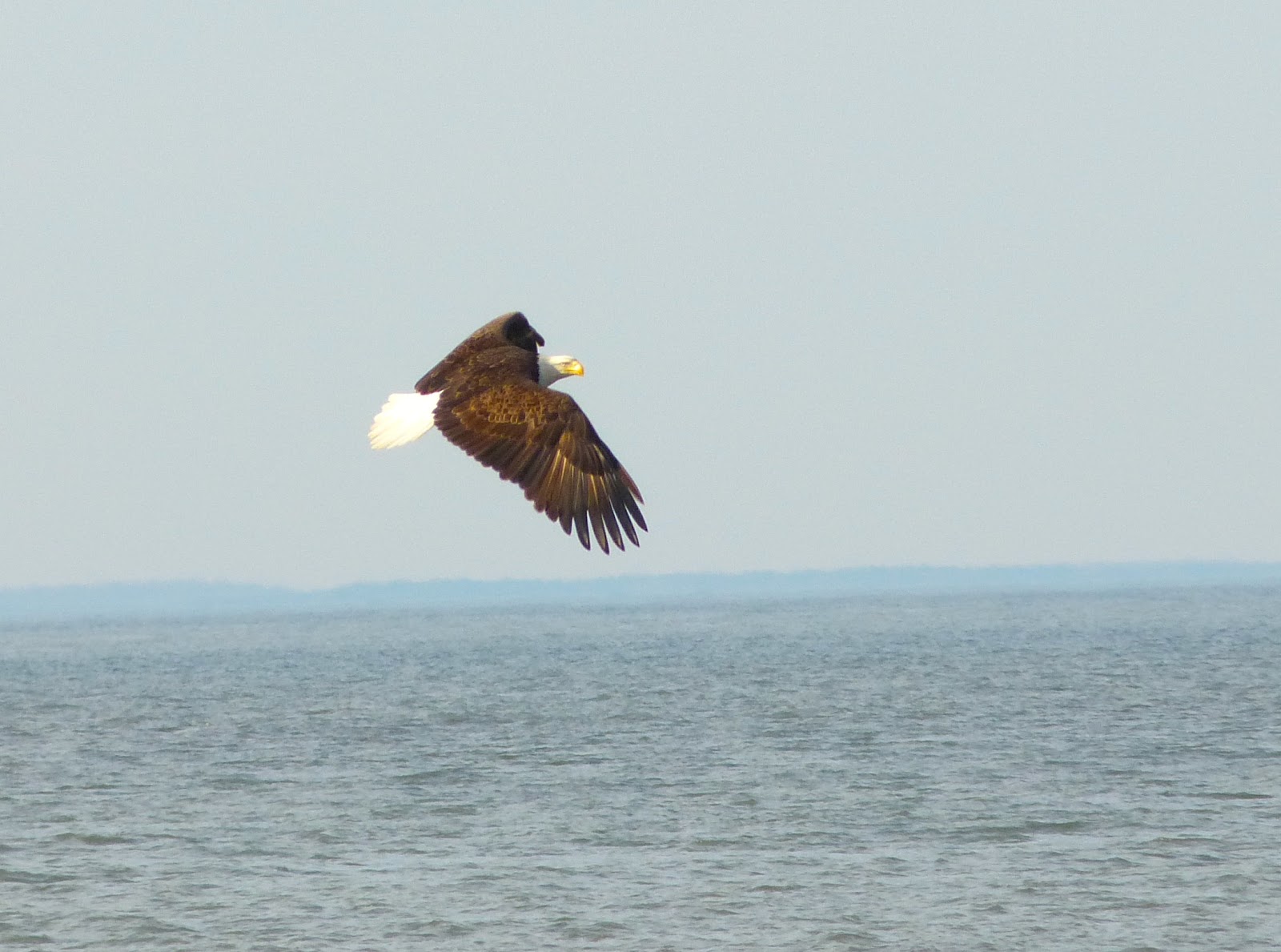
 Bald Eagle
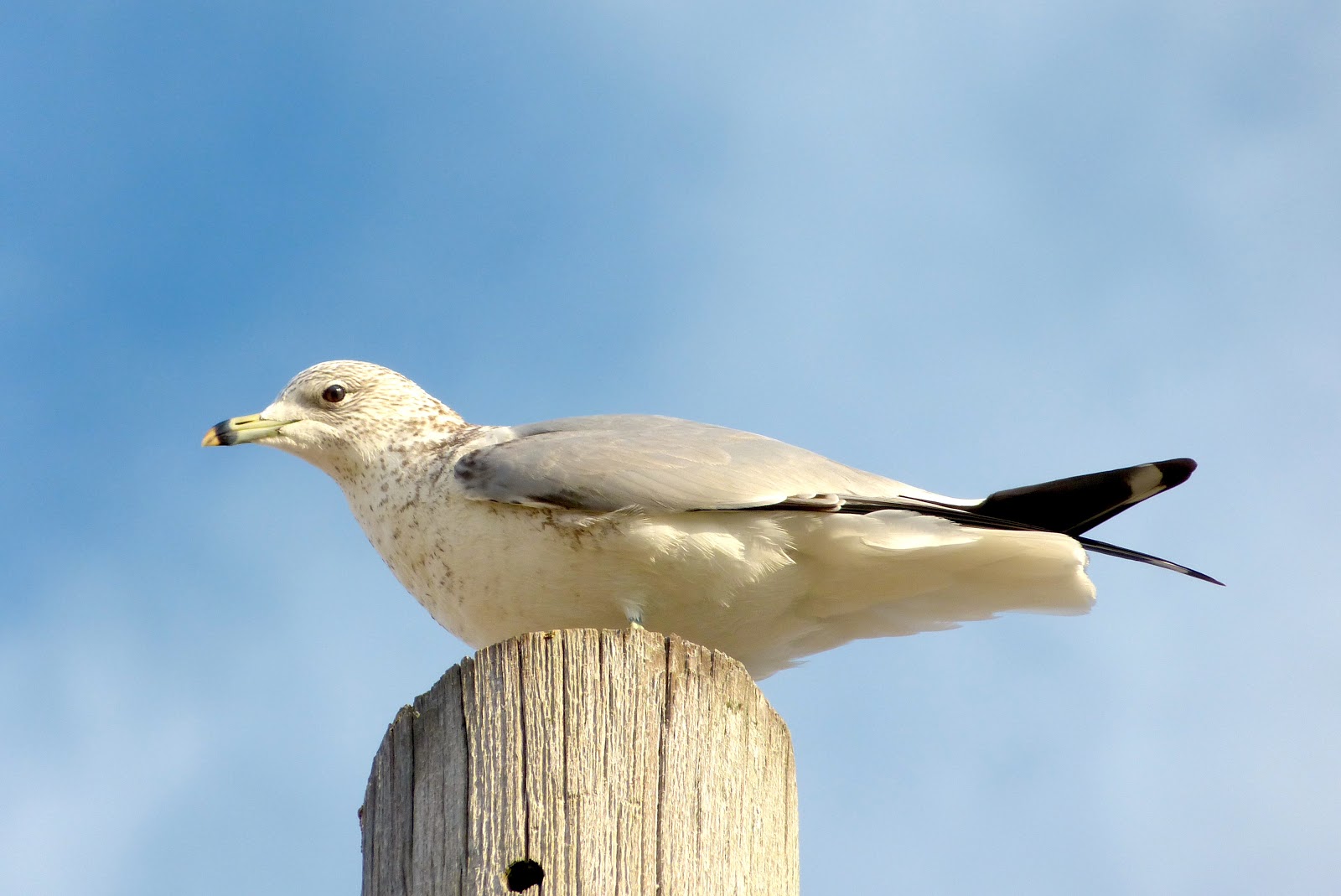
 Ring-billed Gull
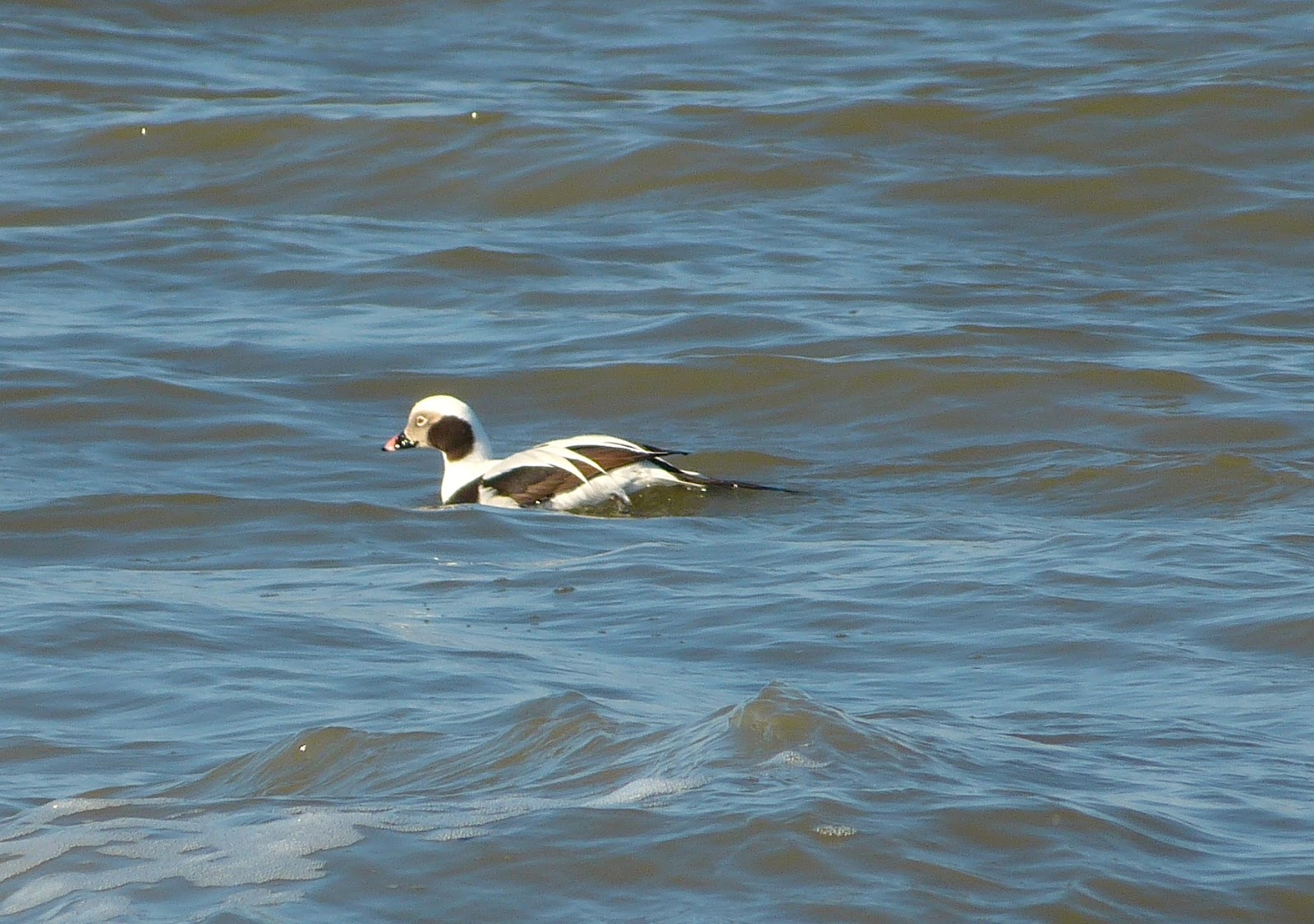
 Male Long-tailed Duck
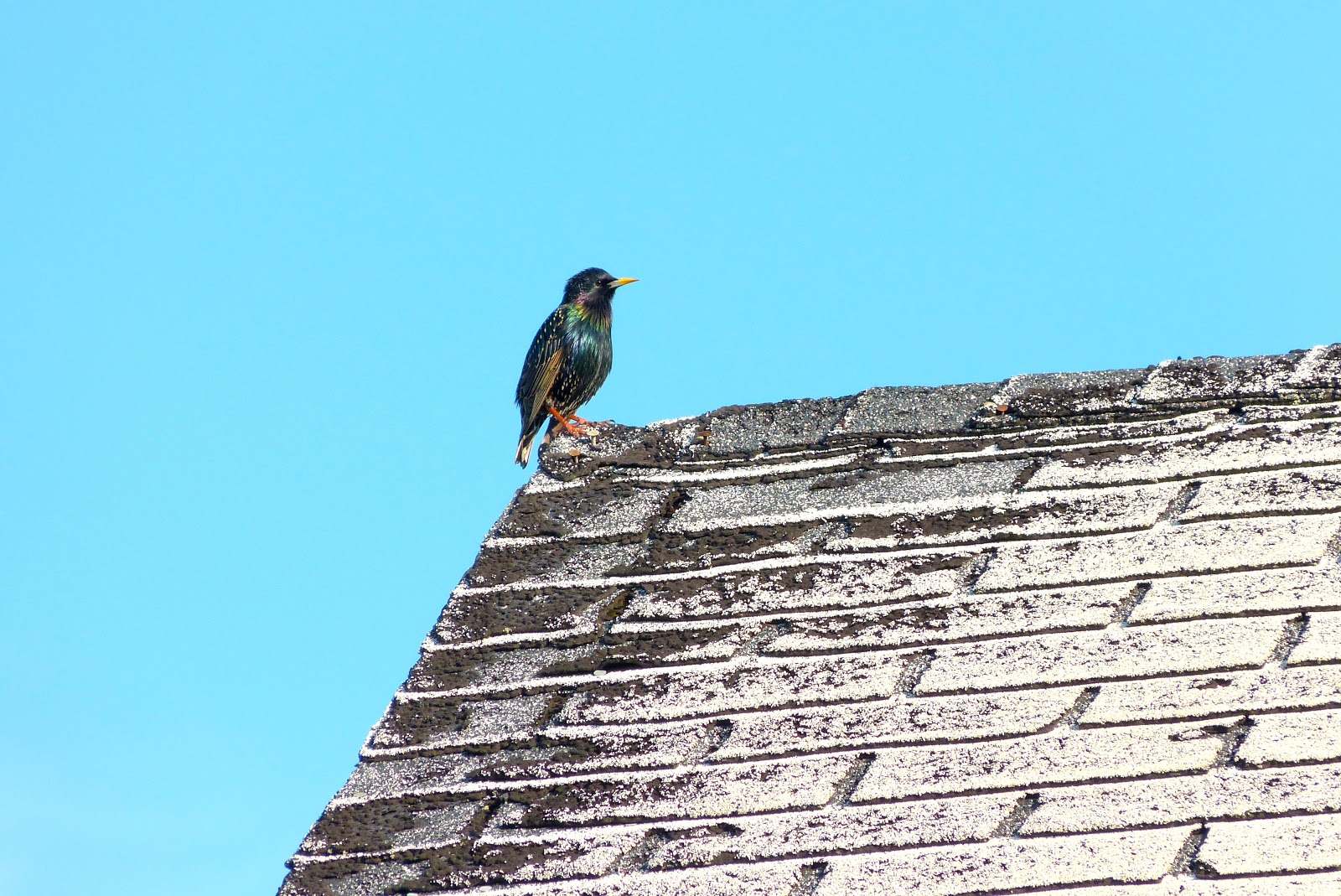
 Common Starling
 Cape May Lighthouse
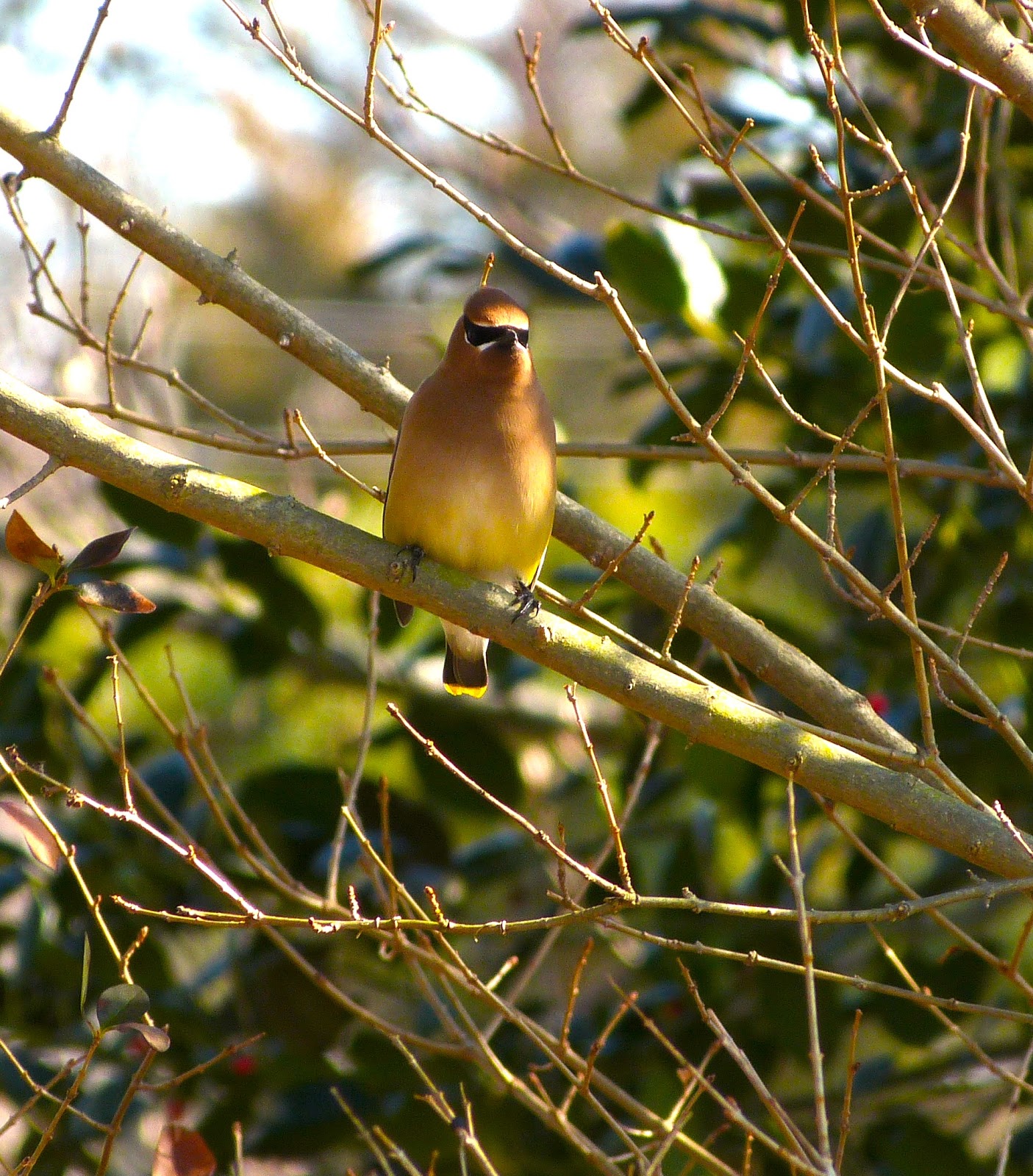
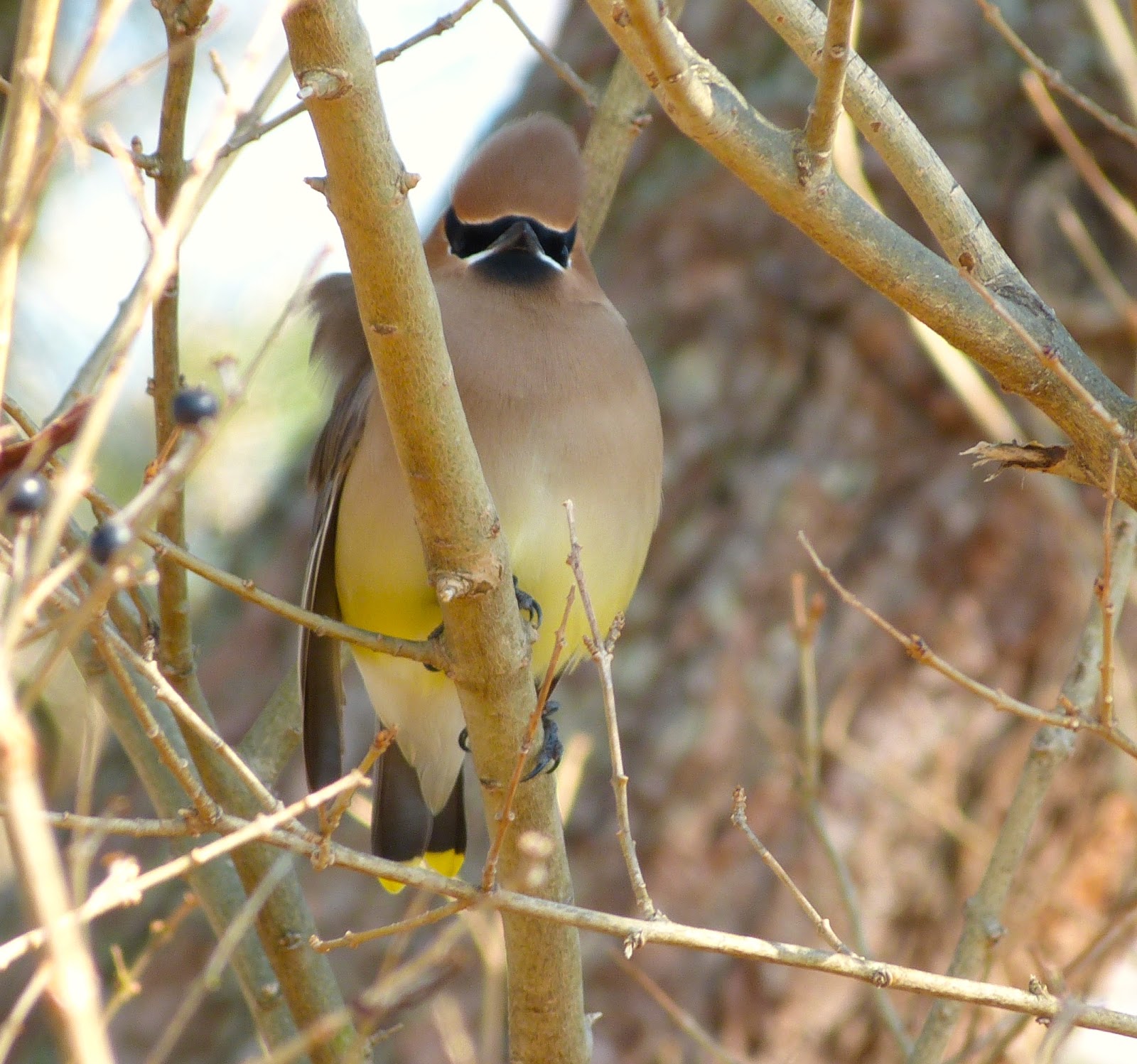
 Cedar Waxwing
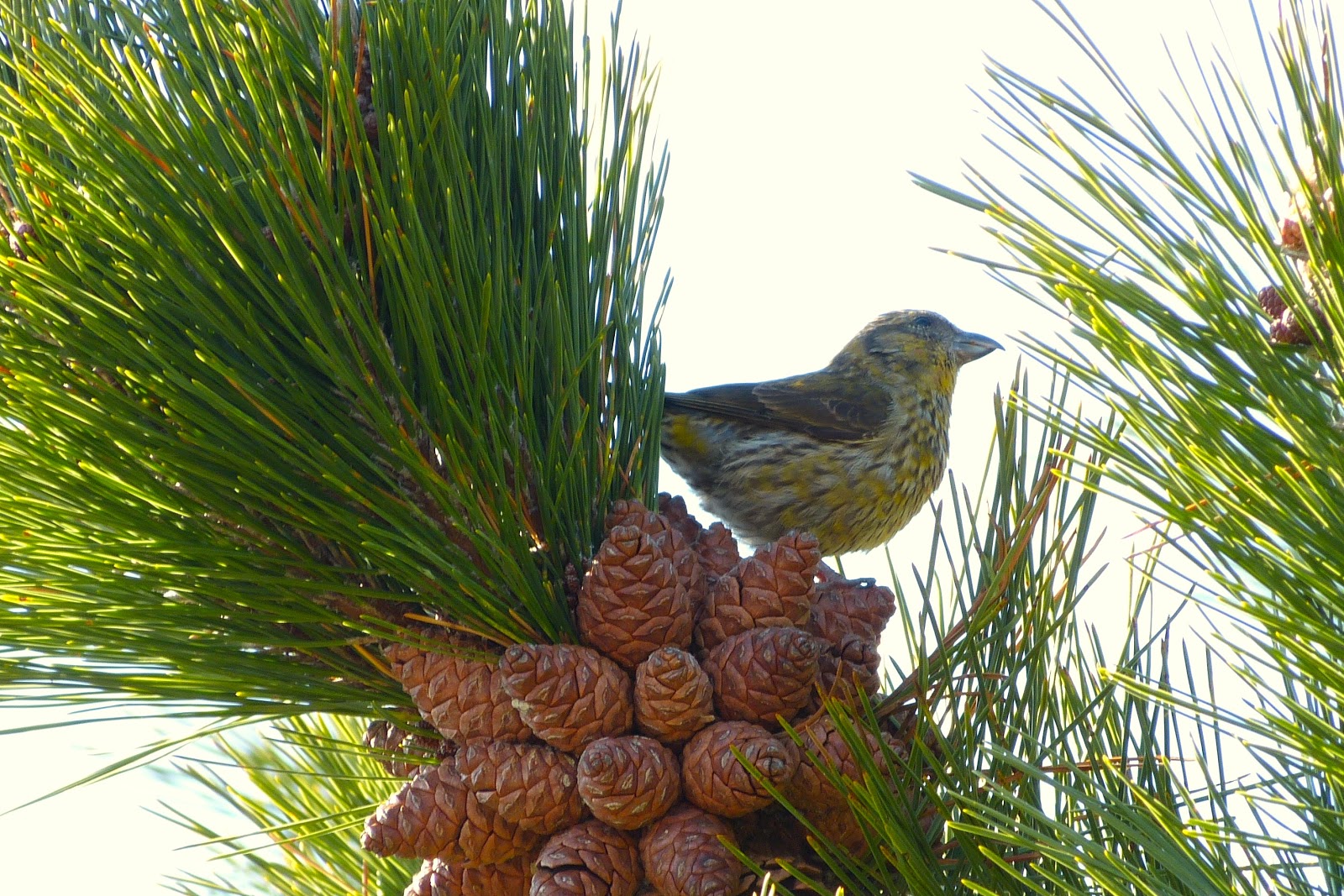
 Female Red Crossbill
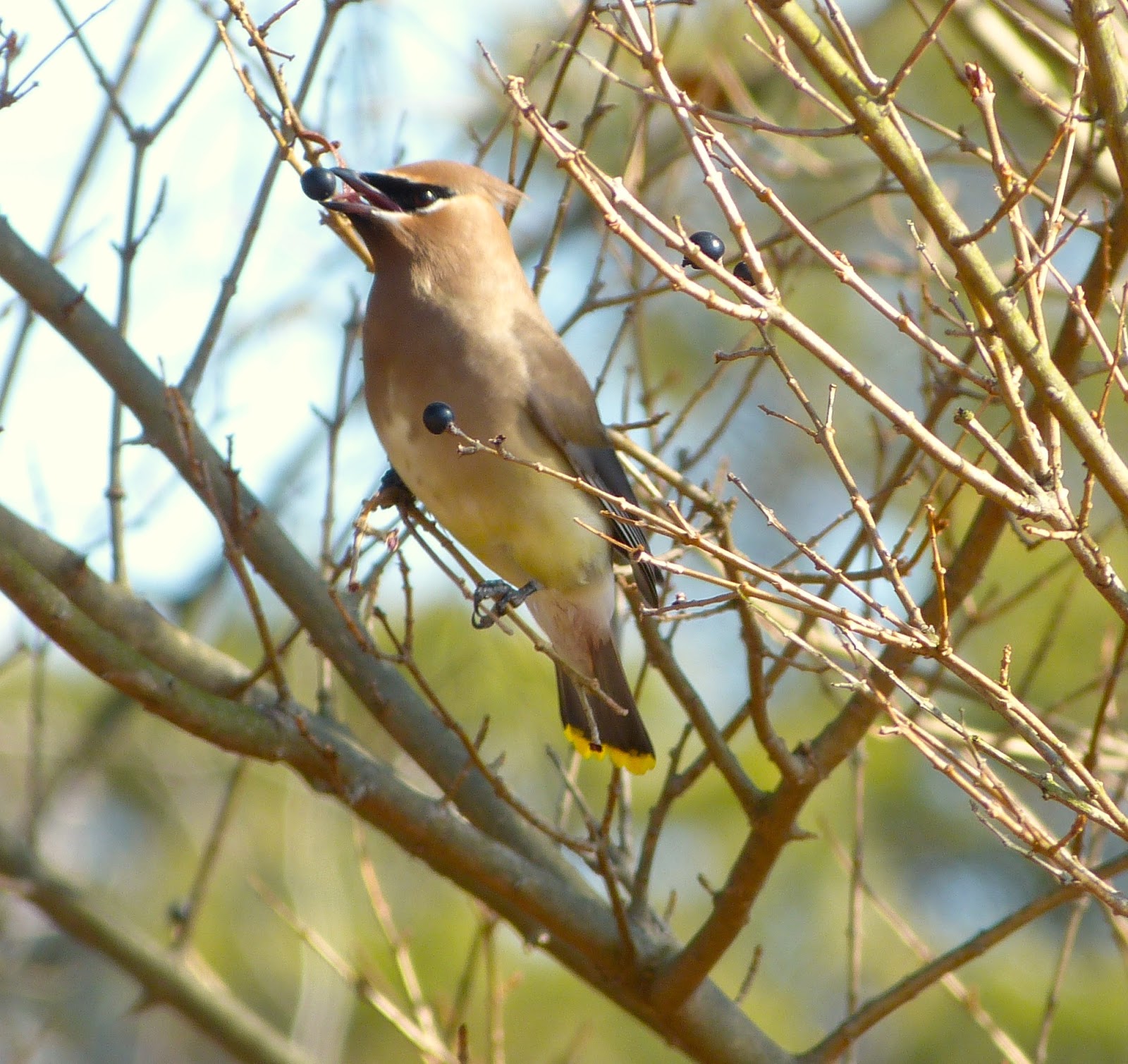
 Cedar Waxwing gobbling a berry
 Male Red Crossbill
Can’t resist another Cedar Waxwing!

Cape May in February

After leaving Tucson last Friday morning I headed back to LA for a couple of days before flying once again, this time to Philadelphia. My next move was to rent a car and do the 90 minute drive to Cape May, New Jersey.
Well, that was the plan. Although I did stick to it I did have a tough few days. Firstly, I caught the flu on my final day in Arizona. By the timeI got to LA I was pretty sick so I retreated to bed. Late on Saturday night I was having palpitations, extreme nausea and eventually passed out on the couch in front of my distressed mate. The following morning I awoke feeling pain all over my body. It was Saturday and I was feeling doubtful for catching the flight the following morning. However, during the day I perked up enough to make the flight.
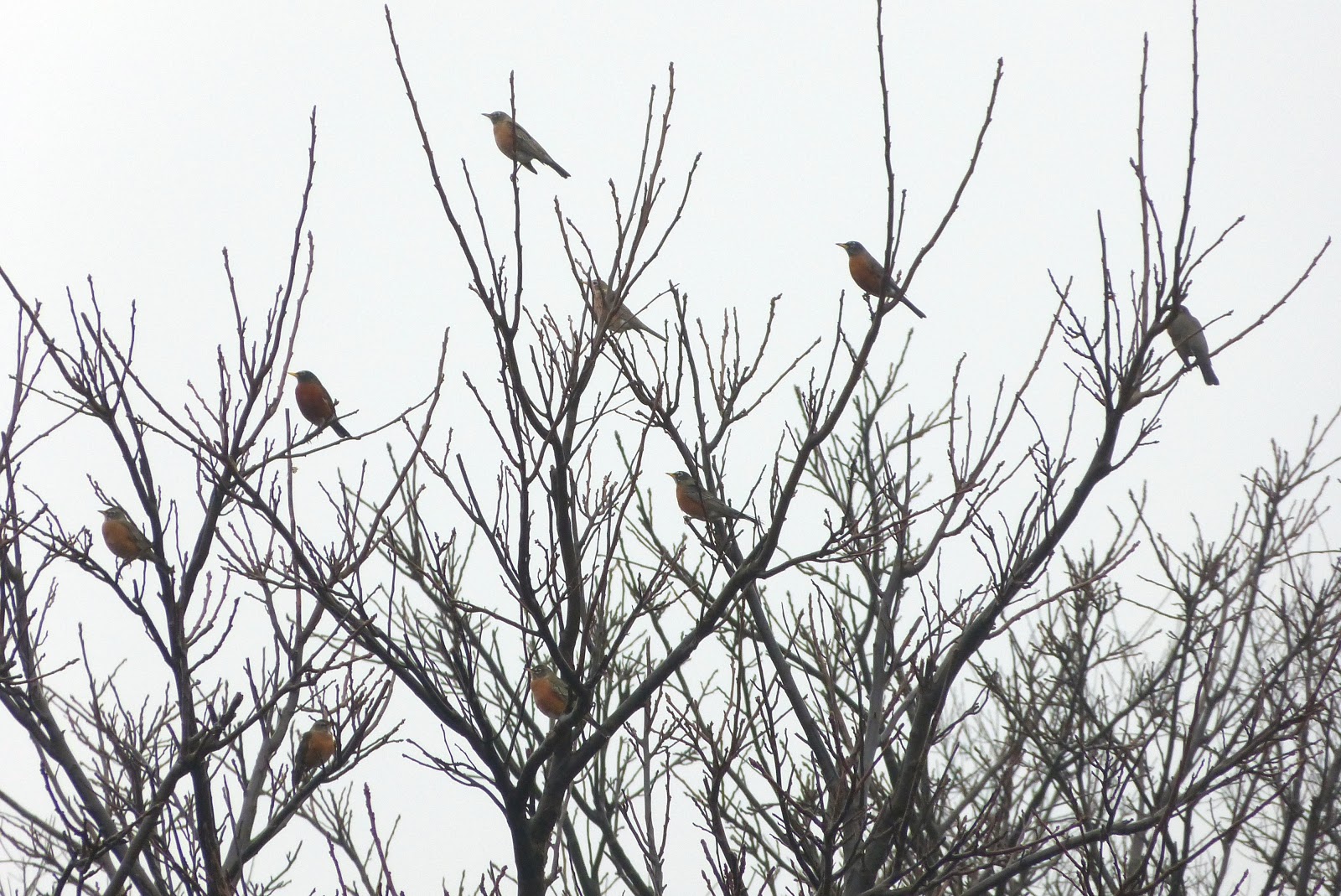
 American Robins roving
 White-throated Sparrow
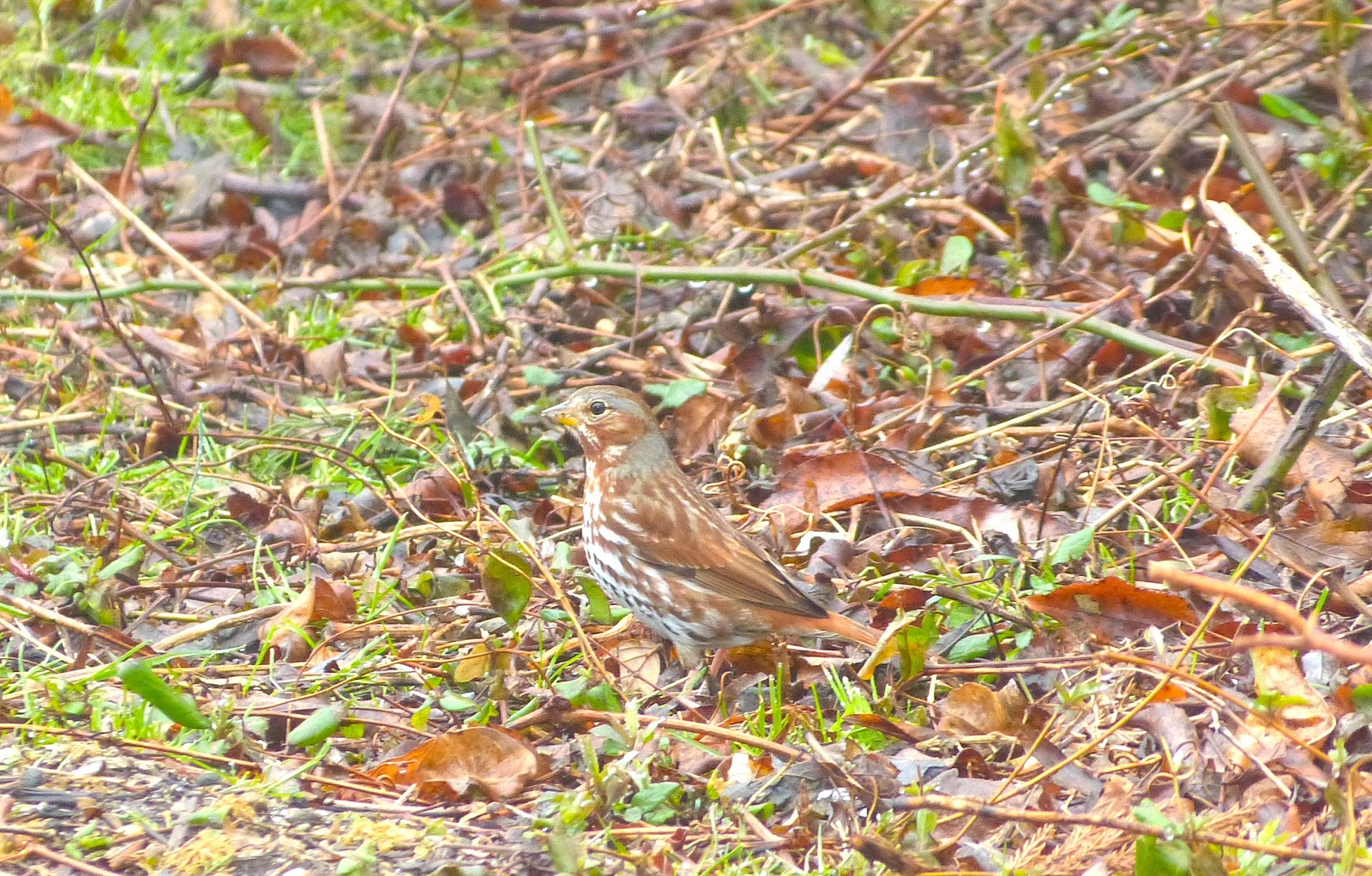
Fox Sparrow
My first morning in Cape May was a dull, misty and drizzly one. I’m staying with Richard Crossley and his family. For those who don’t know, he was the guy who put together the highly original Crossley ID guide to the birds of Eastern America.
He took me for a couple of scouts around this pretty vast headland and through the grey mist we saw interesting birds like Great Northern Divers, Buffleheads, Pied-billed Grebes and Red-shouldered Hawks. I got a couple of new lifers including Carolina Chickadee and Eastern Bluebirds. But tomorrow is the day when we venture out on a proper birding walkabout. Hopefully, the weather will be clear.

Tucson birds

 Costa’s Hummingbird
 The same bird taking a peek at me
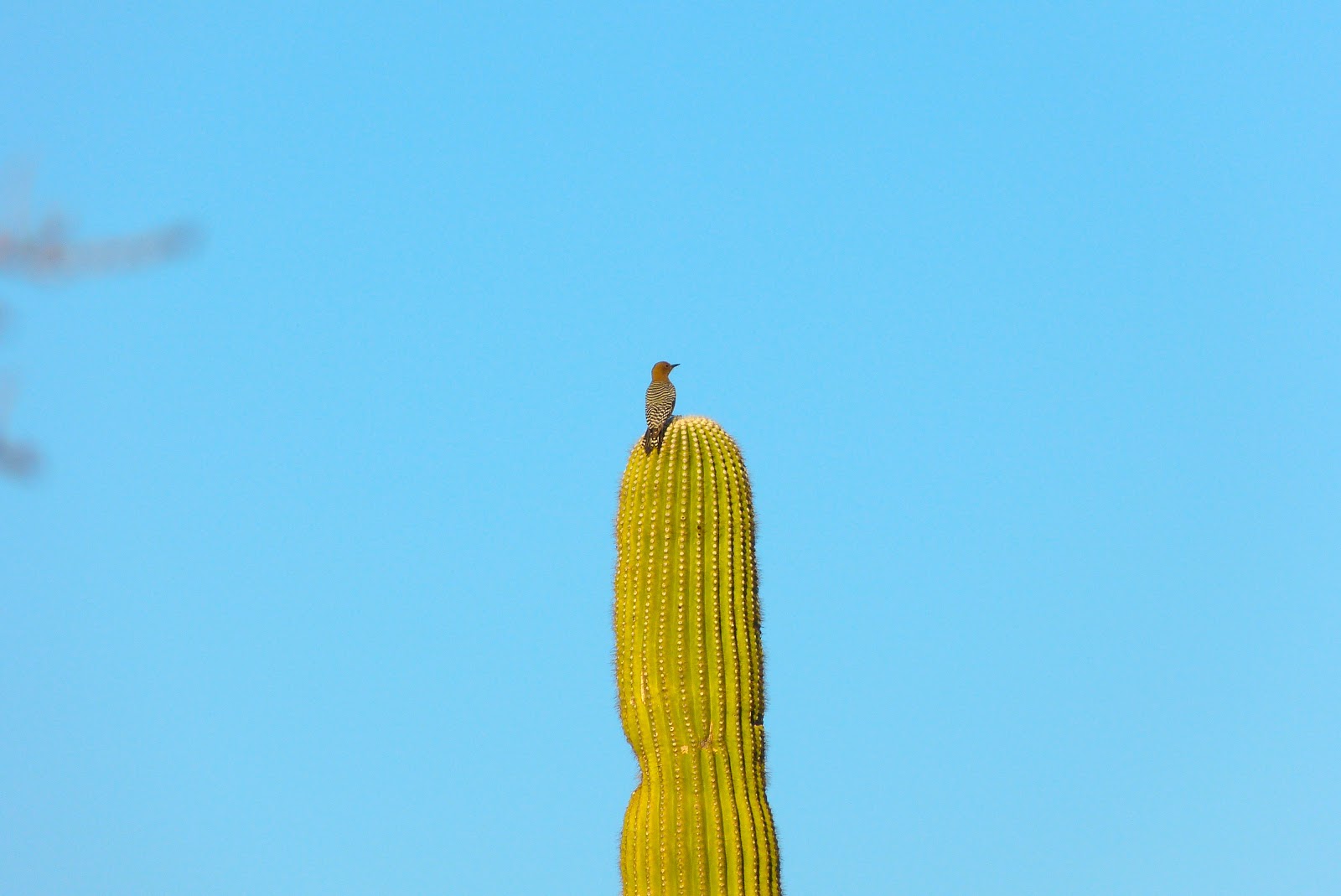
 Gila Woodpecker
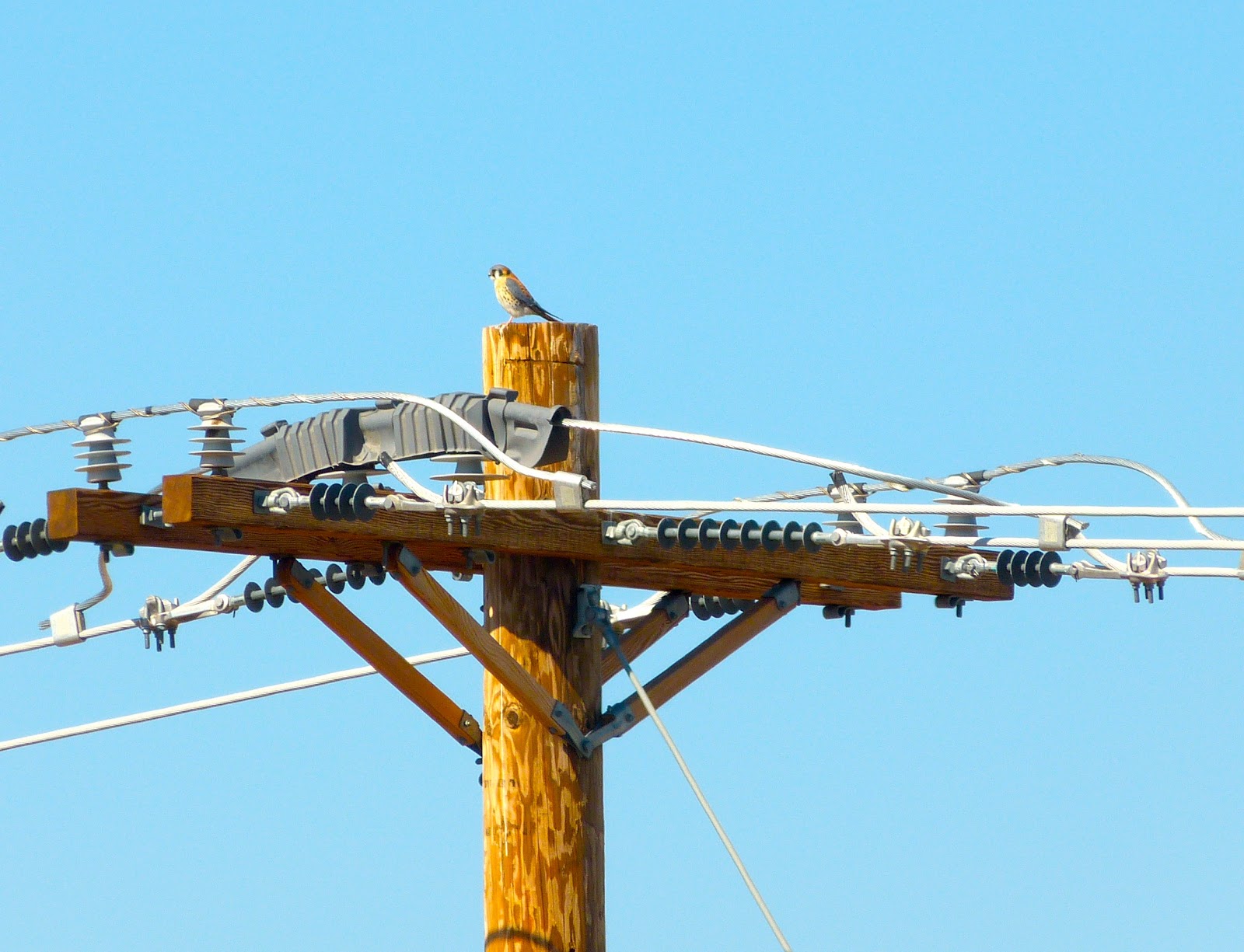
 American Kestrel
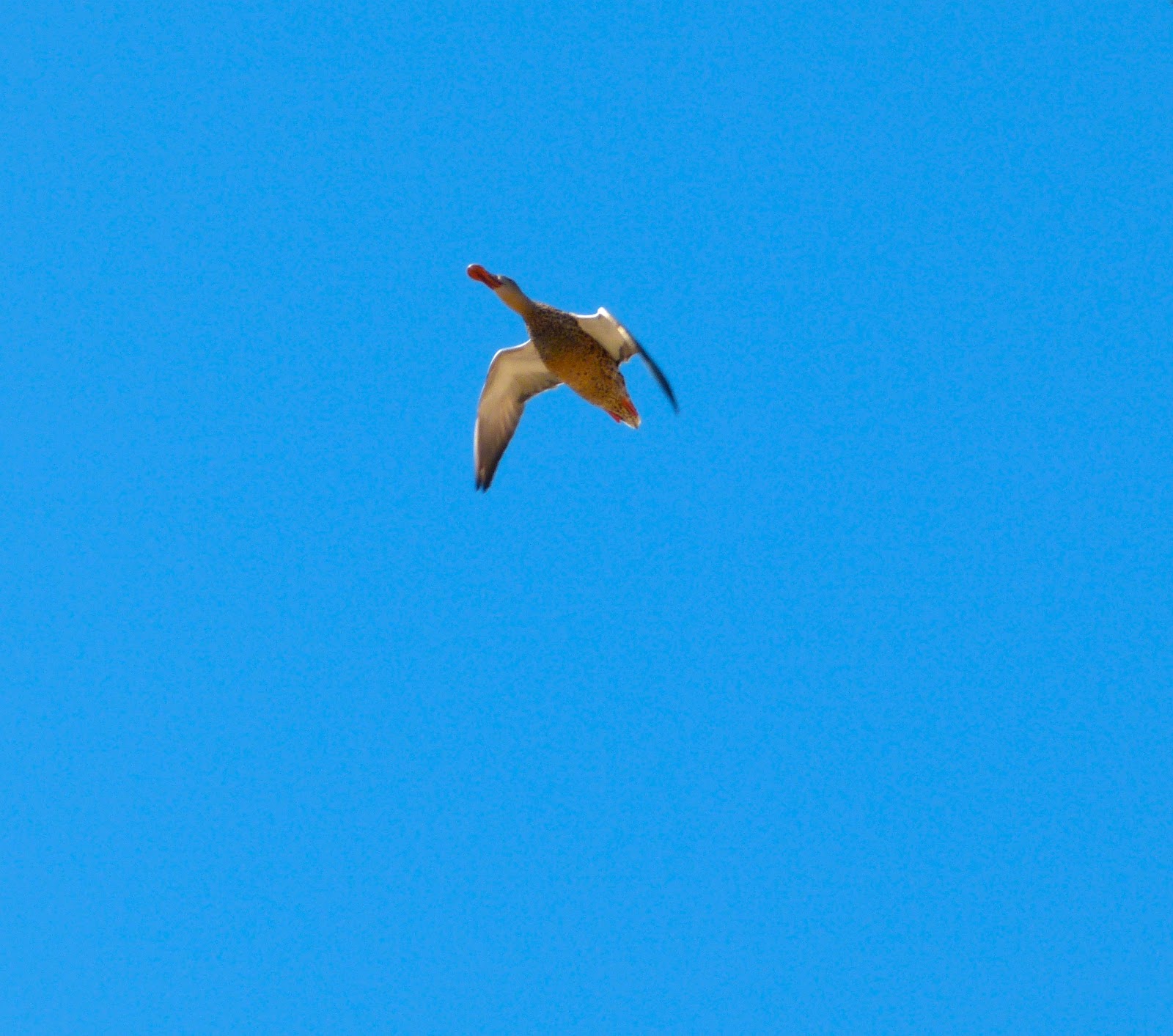
 American Wigeon
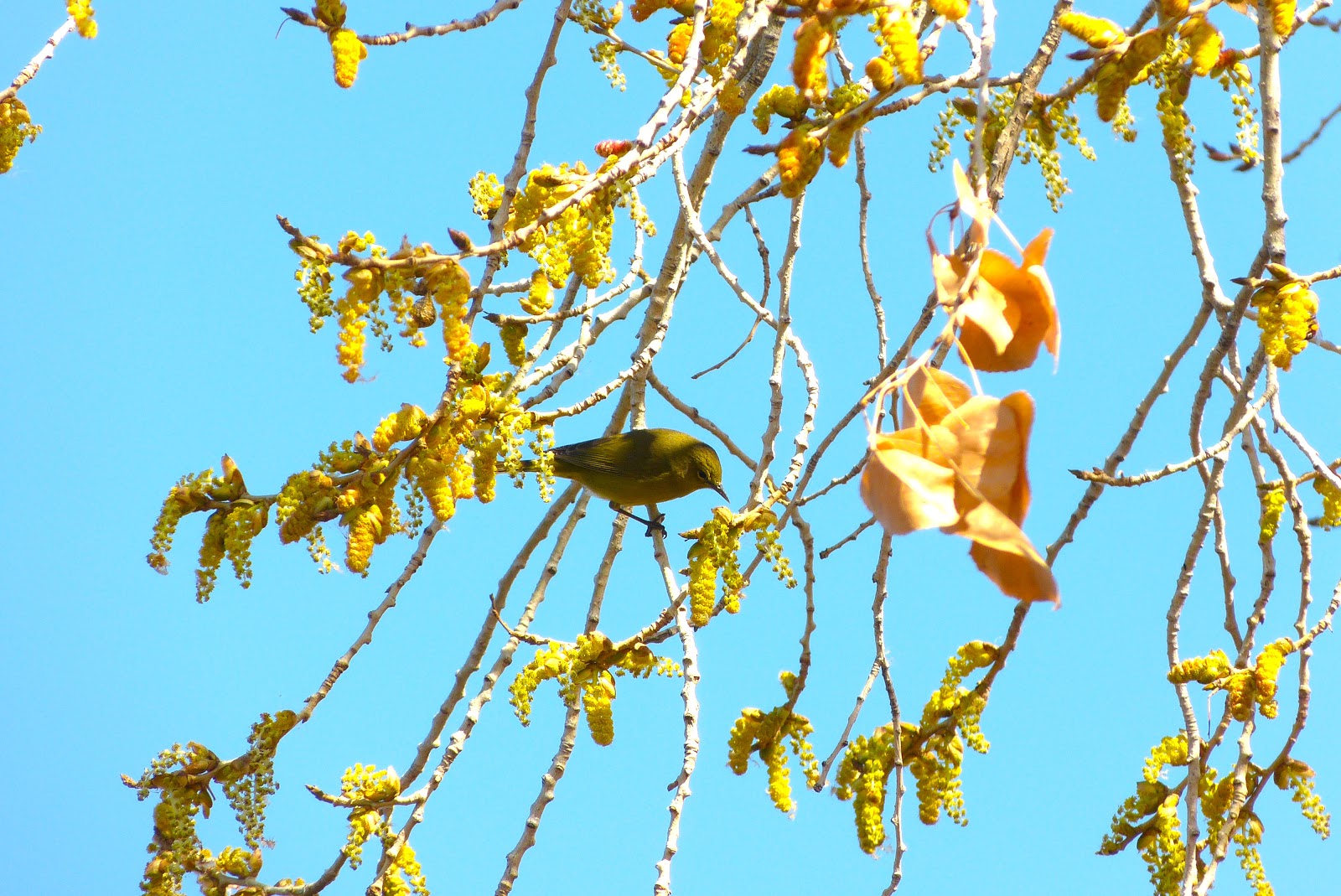
 Orange-crowned Warbler
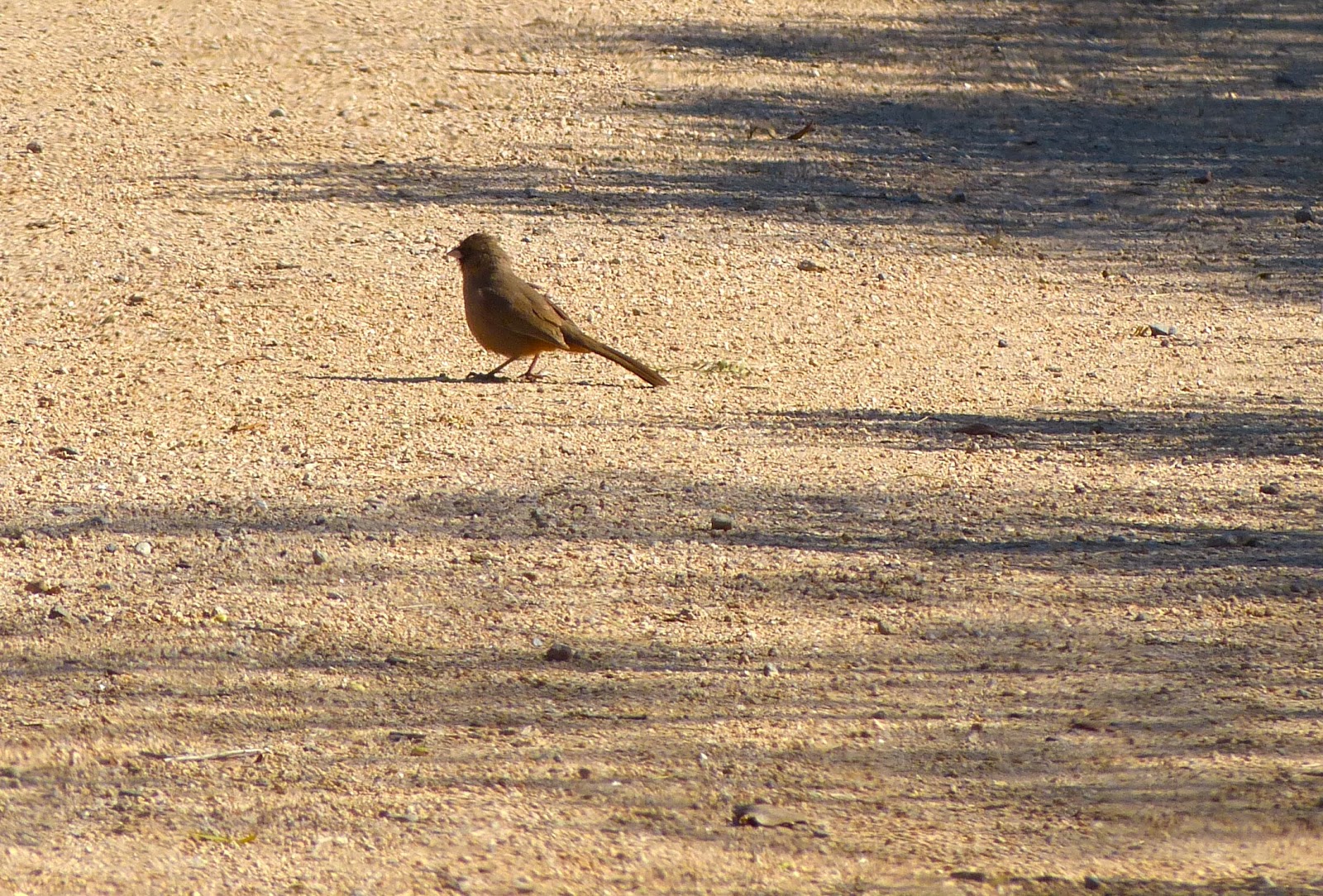
 Abert’s Towhee
 Northern Shoveler
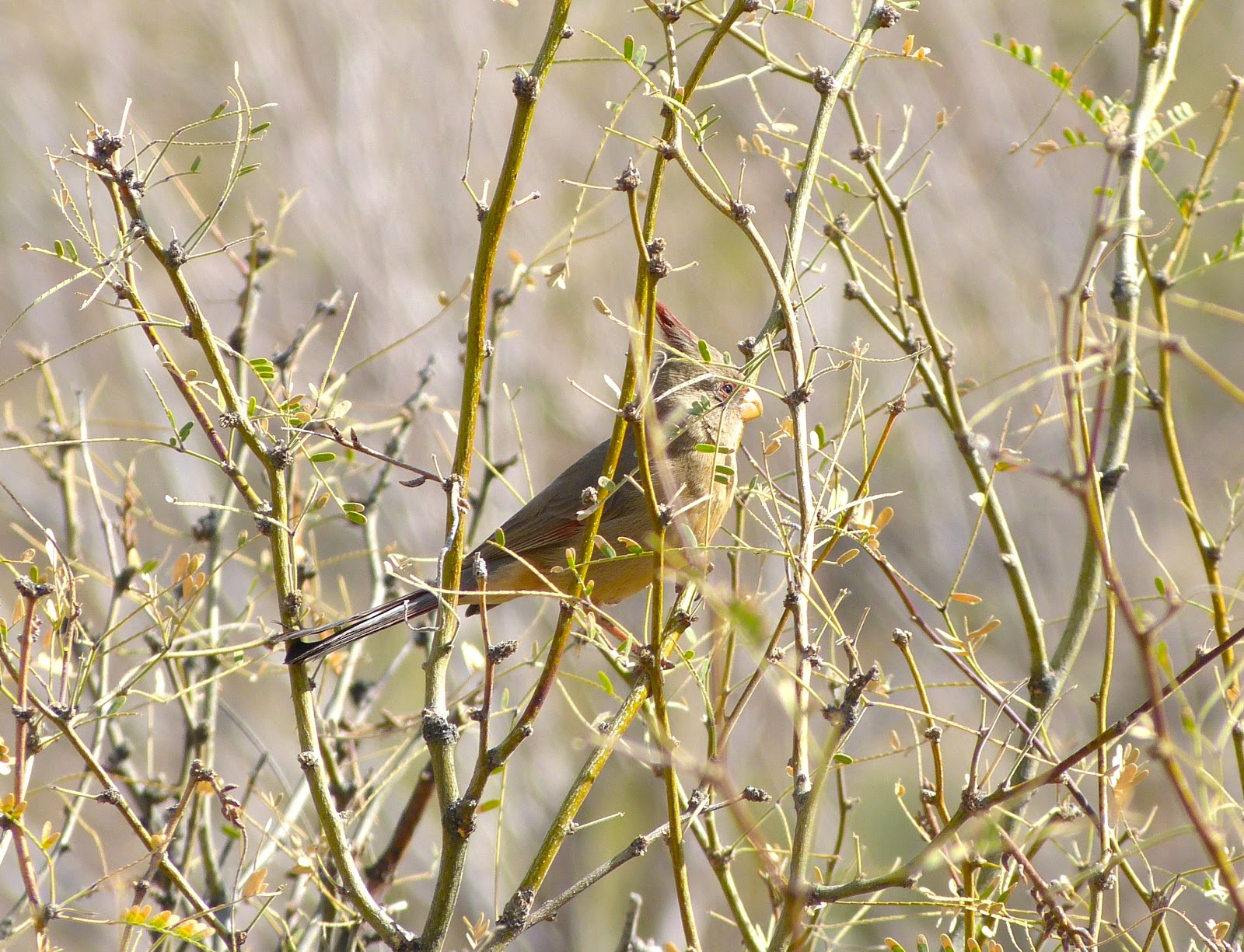
 Pyrrhuloxia
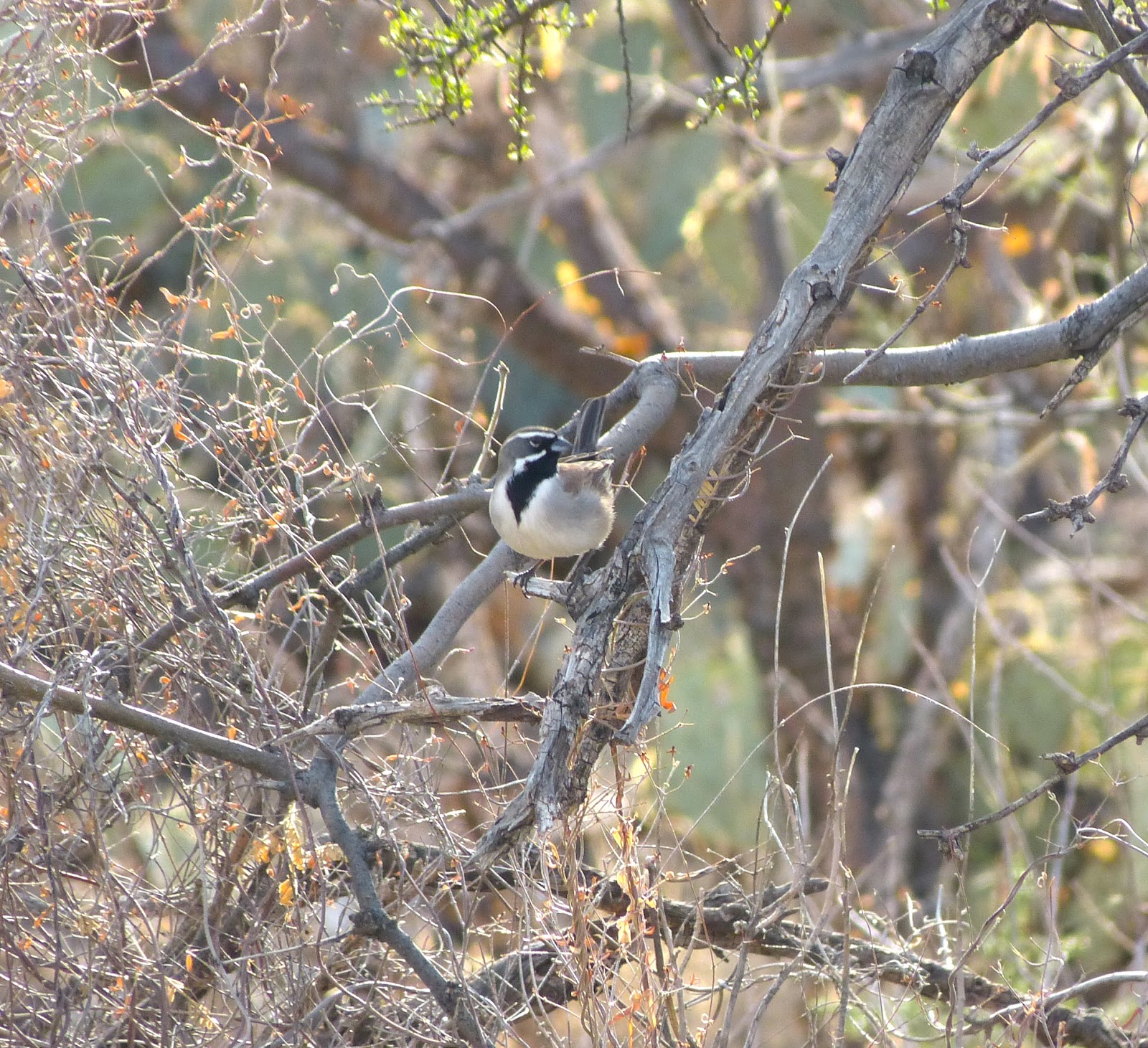
 Black-throated Sparrow
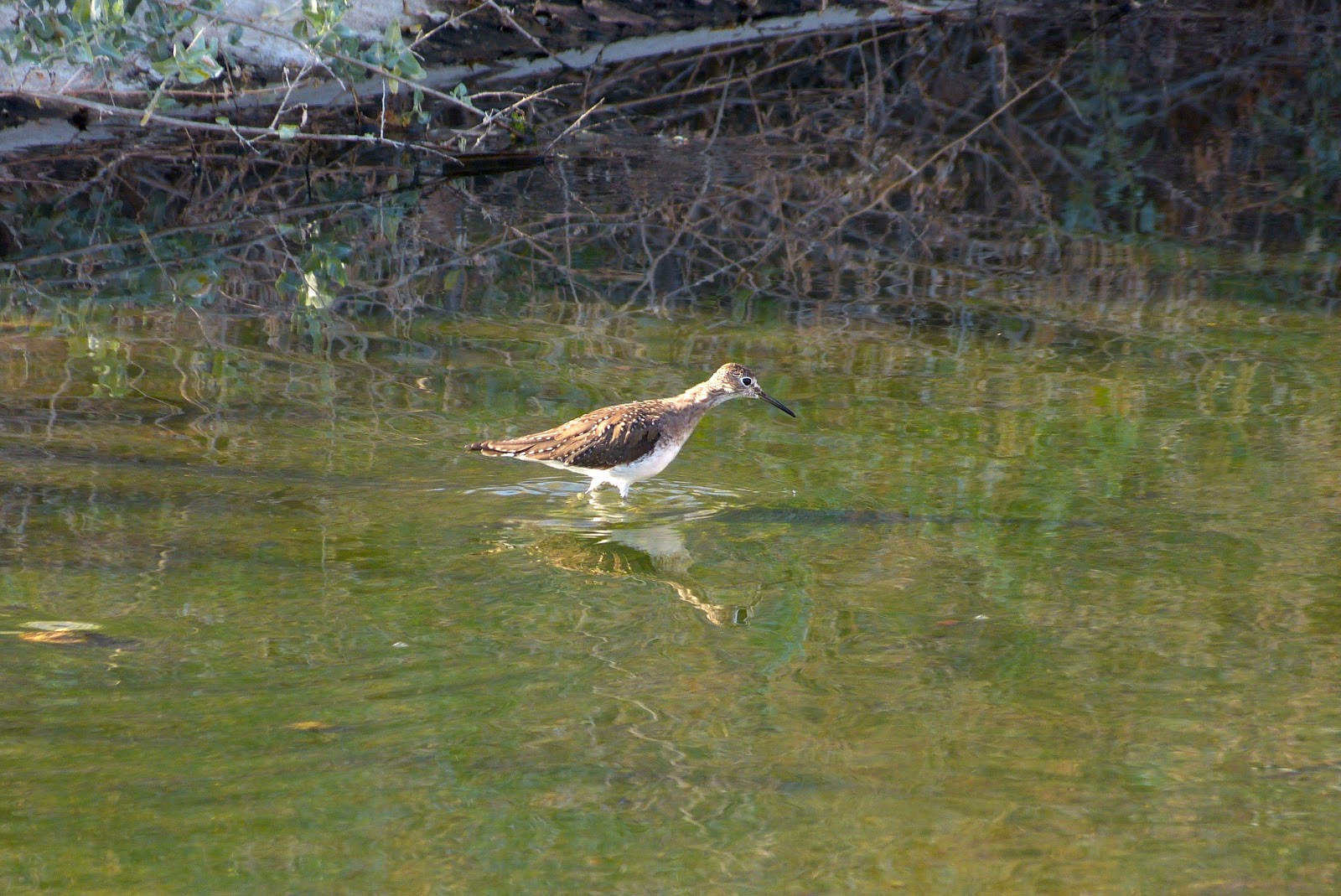
 Solitary Sandpiper
A bad snapshot of a Sora Rail

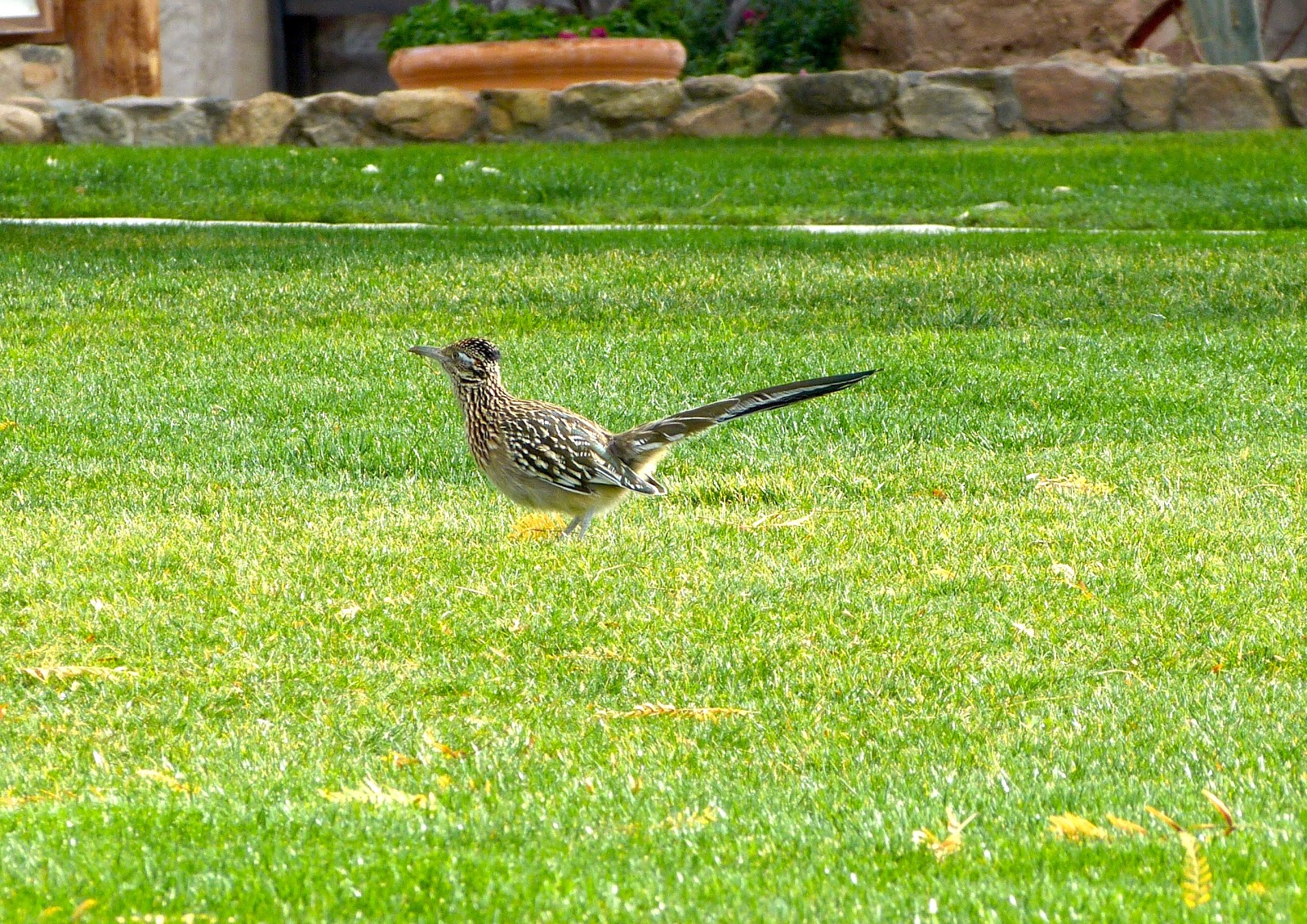
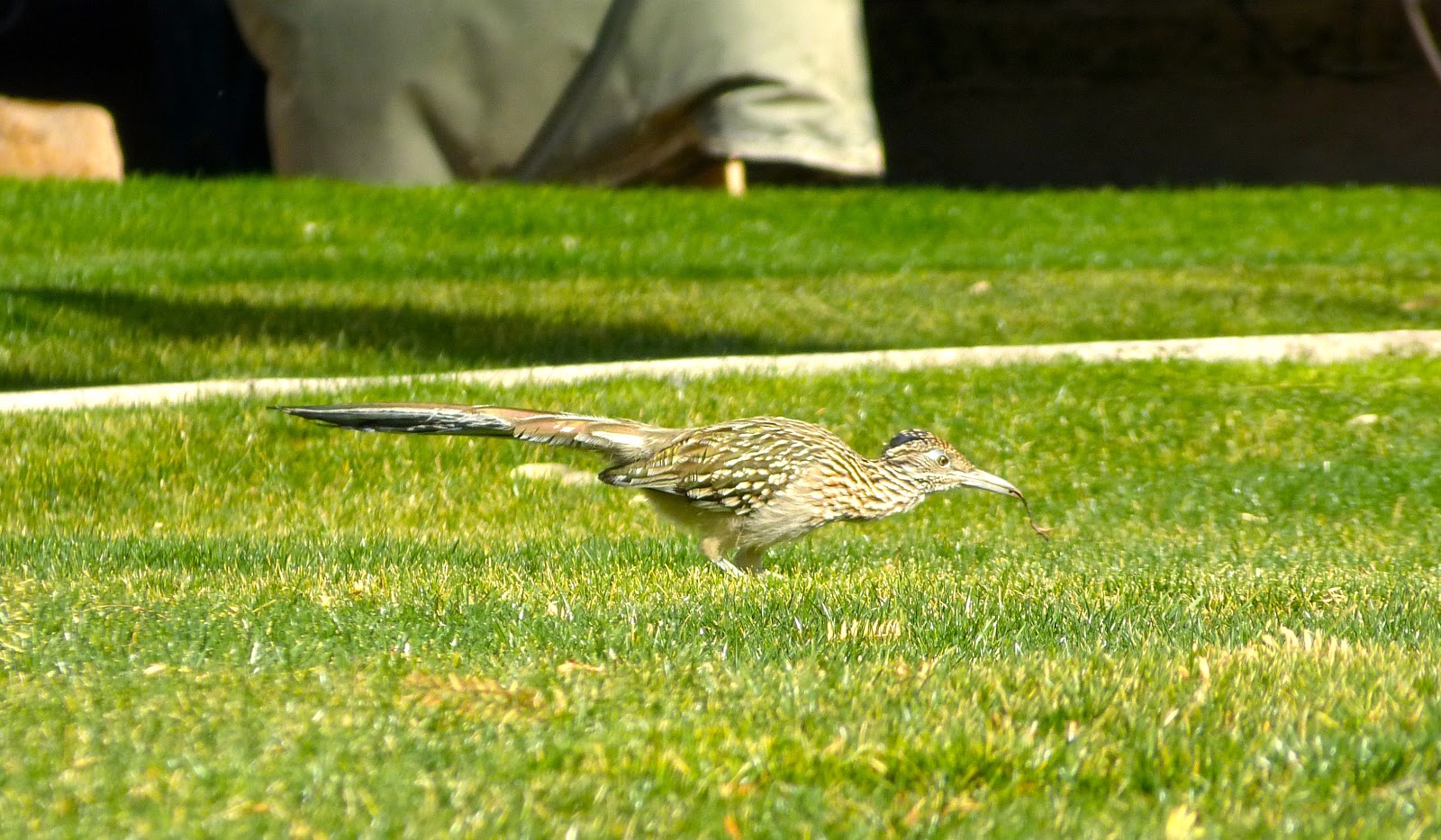
Beep Beep!!

After three days of searching Tucson and environs for a Roadrunner and dipping miserably, I finally succeeded this afternoon.
I found one feeding away on a lawn on a private estate far from its classic dusty desert habitat.
Goes to show yet again that anything can turn up anywhere at anytime!

Having a laugh in Tucson

Had a great day birding in and around Tucson and capped the day with a talk. Too knackered to say anything more than that!
More tomorrow.
 A pair of Harris’ Hawks
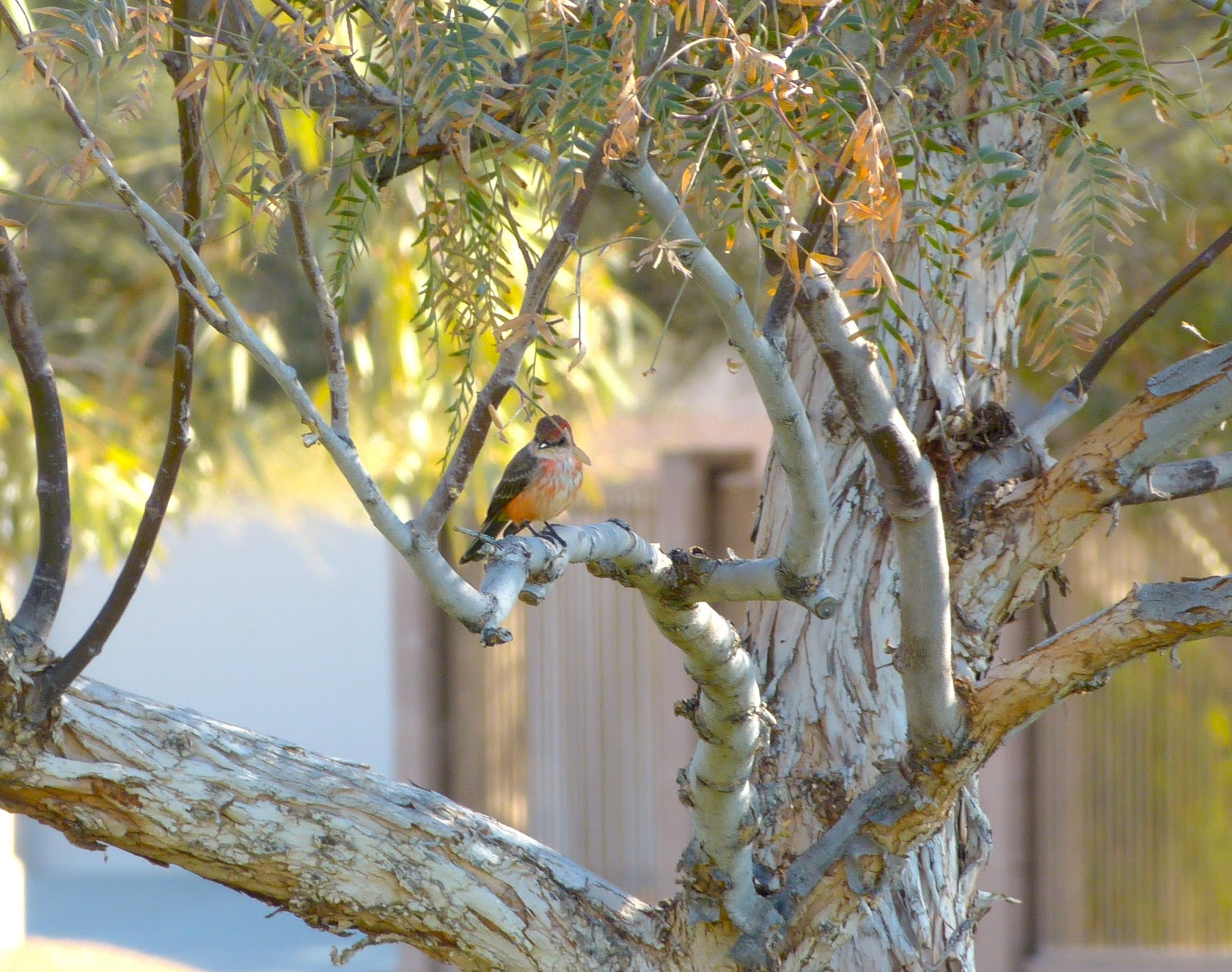
 A 1st winter male Vermilion Flycatcher
 A pair of Cactus Wrens
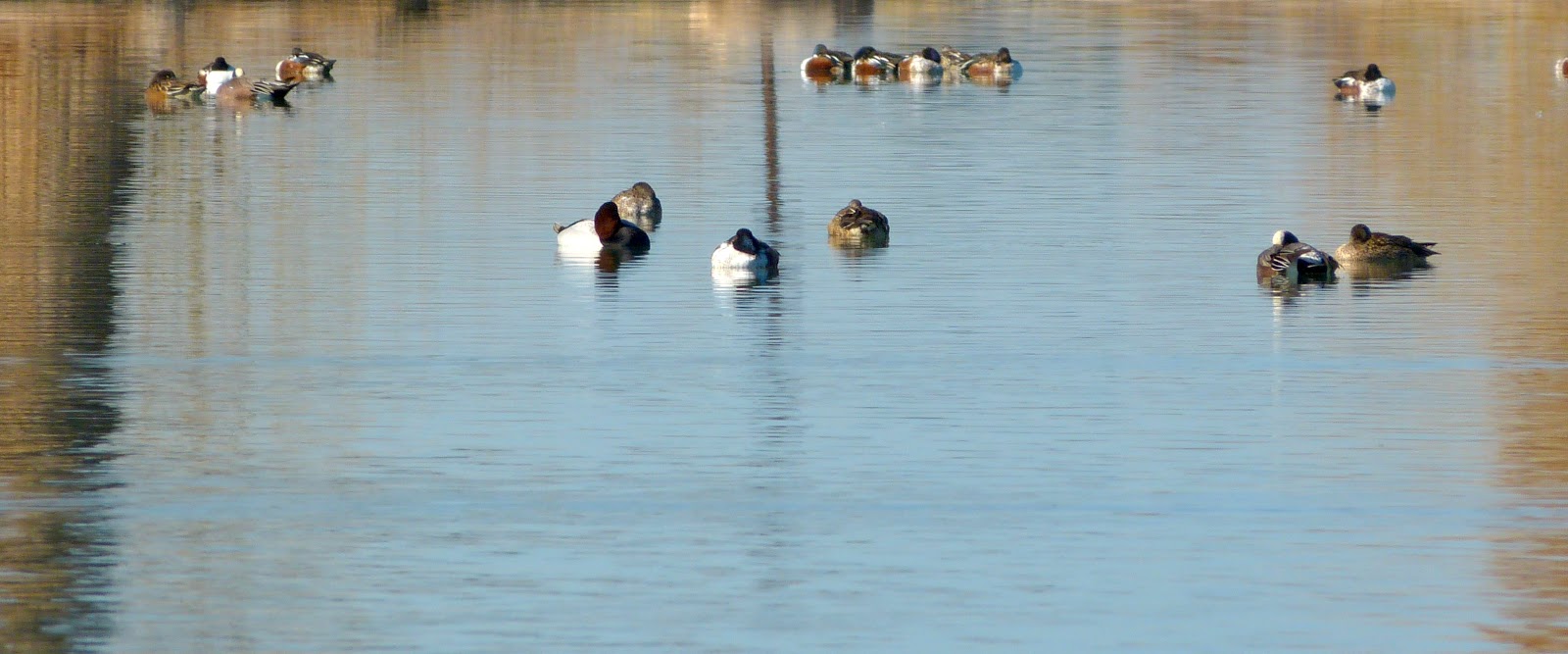
 Northern Shoveler in the background with 2 Canvasbacks and 4 American Wigeon
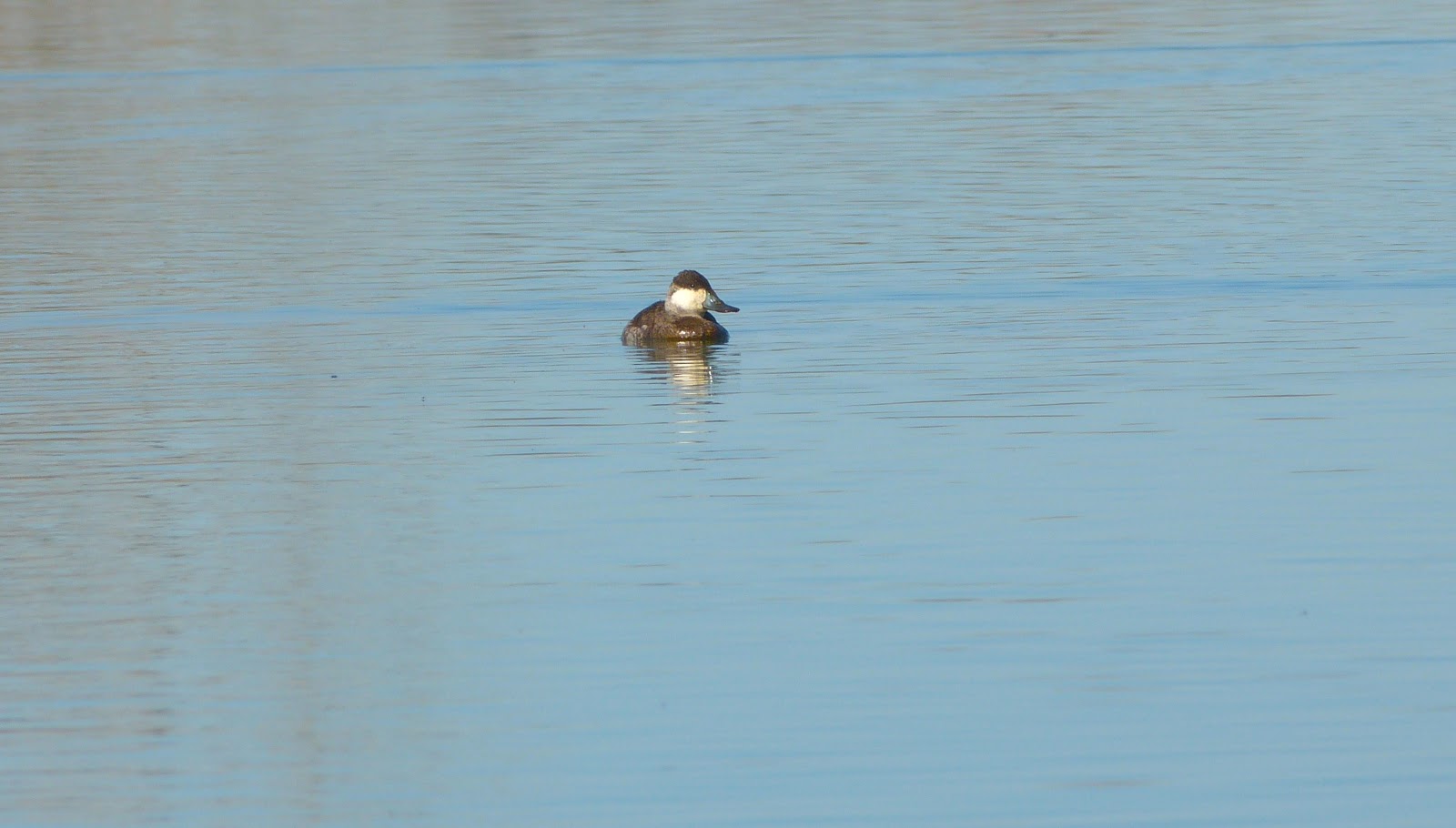
 A female Ruddy Duck
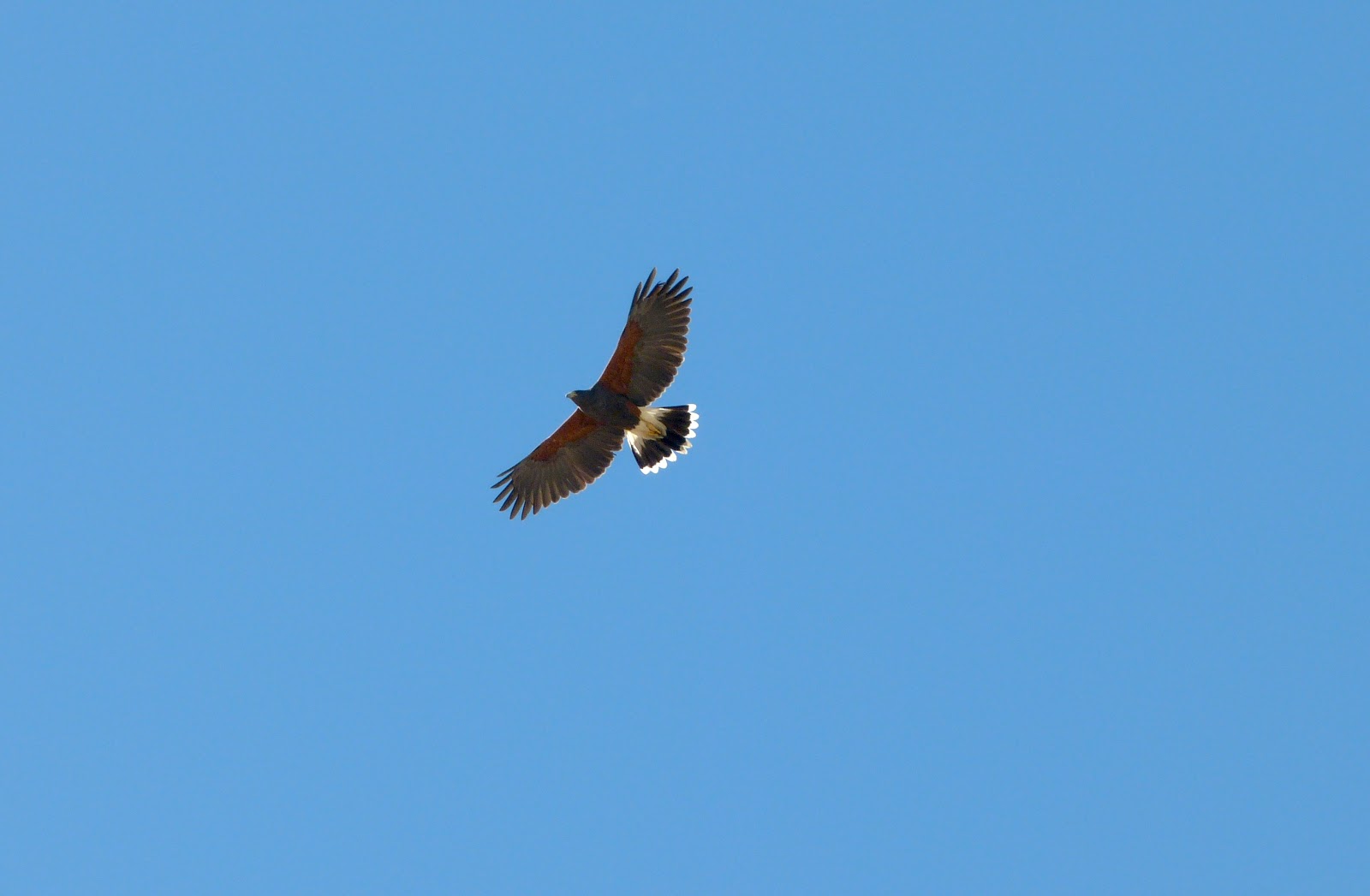
 Harris’ Hawk
 Rock Wren
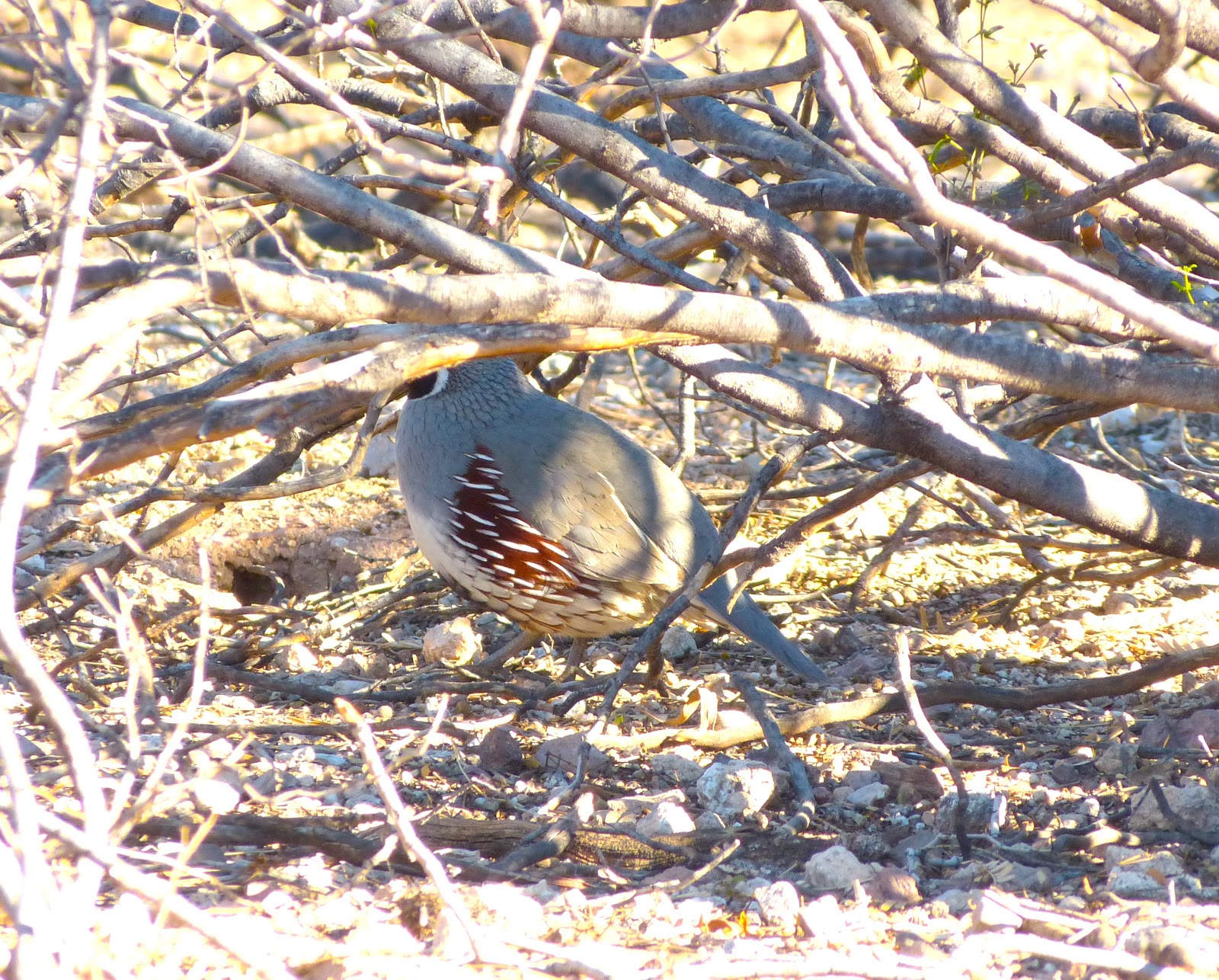
Part of a Gambel’s Quail

My first morning in Tucson, Arizona

Landed in Tucson last night after a comedic flight from LA. When I say comedic I mean it in the best way possible. The flight attendants were cracking gags throughout the flight over the tannoy – even when they were doing the safety demonstrations!
I was picked up by Sharon Arkin, proprietor of Bed and Bagels B&B on the eastern edge of Tucson. She took me and my photographer, Sharon Cavanagh (www.sharoncavanagh.com) to stay in her B&B for the time that I’m going to be in the city.
In the morning I got up and when for a walk around the immediate neighbourhood. It was typically chilly – being a semi-arid desert habitat, but after a while I was spotting Gambel’s Quails, Coyotes, Cotton-tail and Jack Rabbits as well as universal Mourning Doves.
Got two lifers too. Gila (pronounced ‘healer’) Woodpeckers that seemed to be quite common though difficult to photograph and sticking with the woodpeckers, a male Gilded Flicker that I recognised after I had arrived for breakfast.
 Strolling around the vicintiy
 Looking east at the mountains
 A lifer – a male Gilded Flicker
 Mourning Dove
 Some of the semi-arid habitat
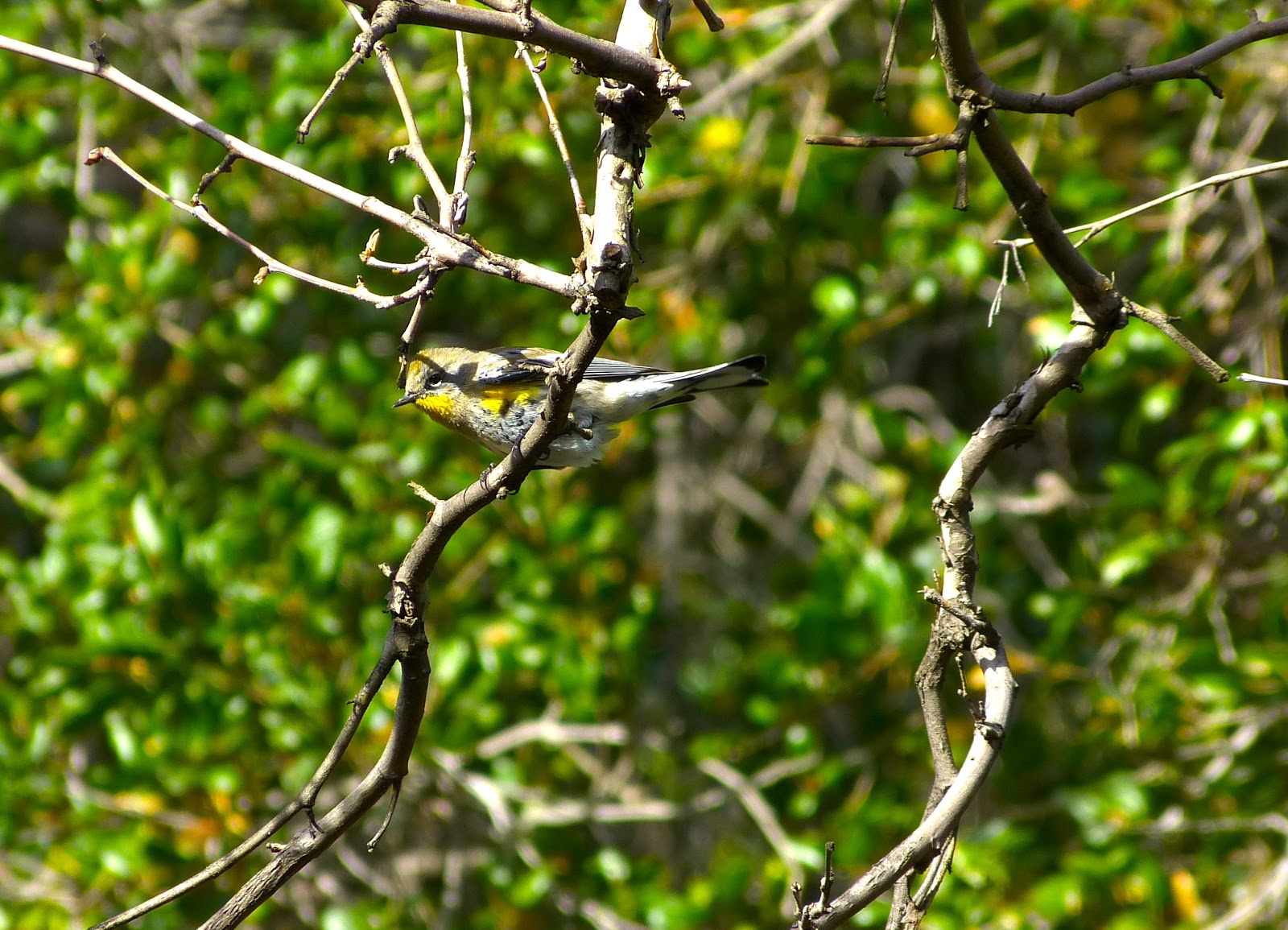
 Yellow-rumped Warbler
 Ruby-crowned Kinglet
Is this a female-type Yellow-rumped Warbler?

Tonight, I will be delivering a talk to the Tucson Audubon Society. Really looking forward to it.

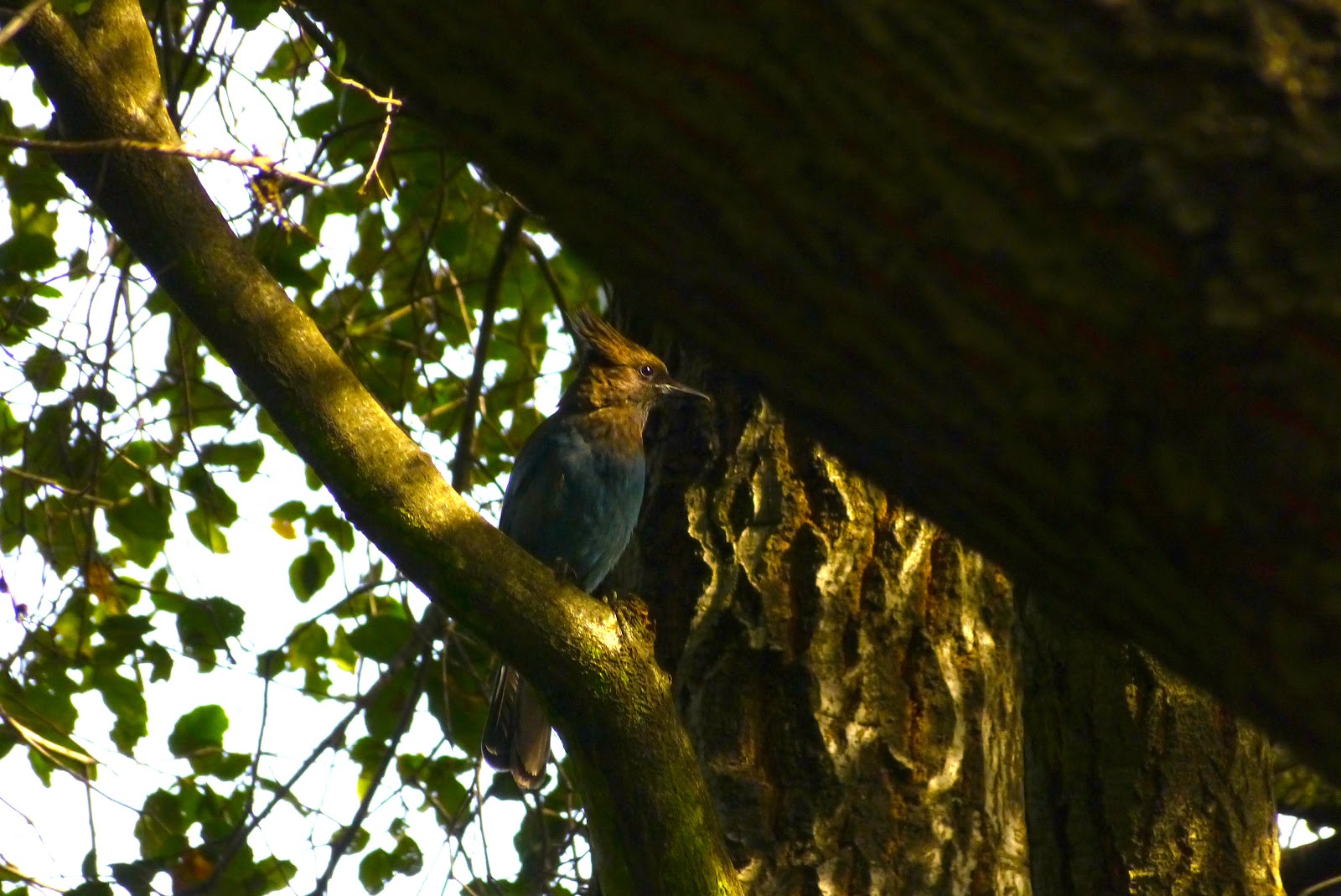
Steller’s Jay – my 1st USA tick!

A brief stroll into the local canyon today rewarded me with my first tick of my American tour. I was delighted to glimpse several Steller’s Jays pinching nuts from peoples gardens and flying low into the canyon. I always assumed that they were birds of the high elevations but I learnt today that they are found on lower ground during the winter.
 Acorn Woodpecker
 Steller’s Jay
 Cedar Waxwings – photo bleached by the light
 American Robin
 Northern Mockingbird
Yellow-rumped Warbler
Tomorrow I will be in Tucson, Arizona where the real heavy duty birding begins.

Quiet days in old LA

 Red-shouldered Hawk
 Band-tailed Pigeon
A female Mule Deer
A male House Finch

Things have been pretty quiet for me here in Hollywood since I arrived last Sunday. I haven’t been out properly birding yet and for the first three days I had horrendous jetlag to contend with. Any birding was incidentally seen from the apartment I’m staying in at East Hollywood. The reason for my slowdown has largely been because I have been spending time organsiing the next legs of of my tour. For instance, I have just been invited to spend three days in San Francisco at the beginning of March – a city that I have never been to before.

Anyway, back at the ranch I have managed to connect with the usual avian fayre for these parts including Raven, American Crow, White-throated Swift, Yellow-rumped Warbler, Scrub Jay, California Towhee, Ring-billed & Western Gulls, Anna’s Hummingbird, Turkey Vulture and of course, Red-tailed Hawks.

The birds and deer featured in the above photographs were all seen from my apartment. All things are set to change when I hit Tucson, Arizona on Sunday. It promises to be a full on birding fest in a part of the world that I have never been too. Can’t wait!

LA school day!

Fresh after a 10 hour long haul flight from London and after a disturbed night’s sleep, I was whisked to Viewpoint School (www.viewpoint.org) early in the morning to speak to a group of 120 6th graders (11 year olds) about the joys of urban birding.
The whole event was put together by Tracy Wymer, an inspirational teacher at this school who has been encouraging the kids to study birds
 The kids learning about how Peregrines hunt pigeons
 TUB being introduced
 TUB and the kids
 A White-breasted Nuthatch in the school yard
 Another view
 An Oak Tit
 Junior birders
 Female Lesser Goldfinch at the birdfeeder
Tracy Wymer with TUB

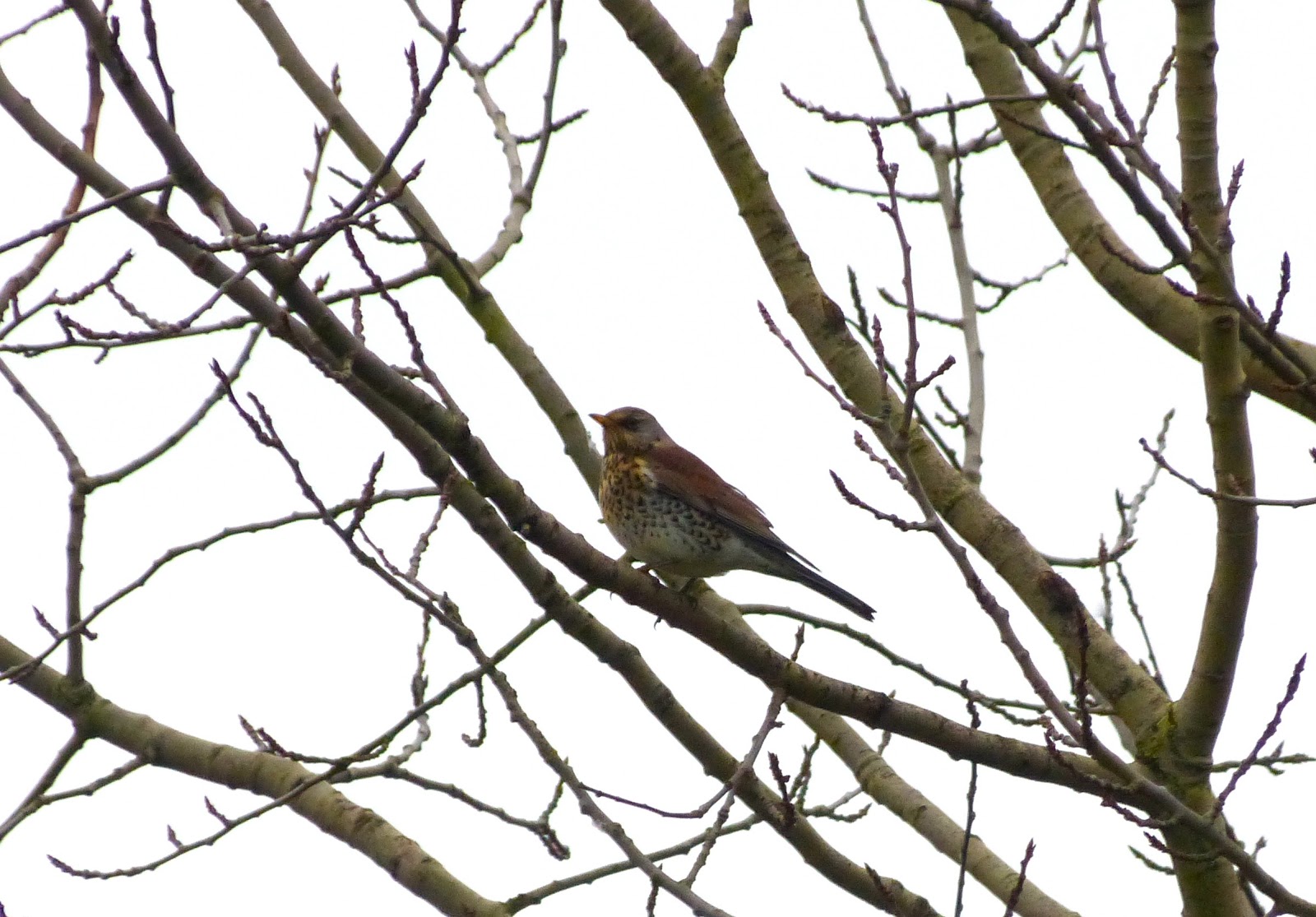
Fieldfare fest on The Scrubs

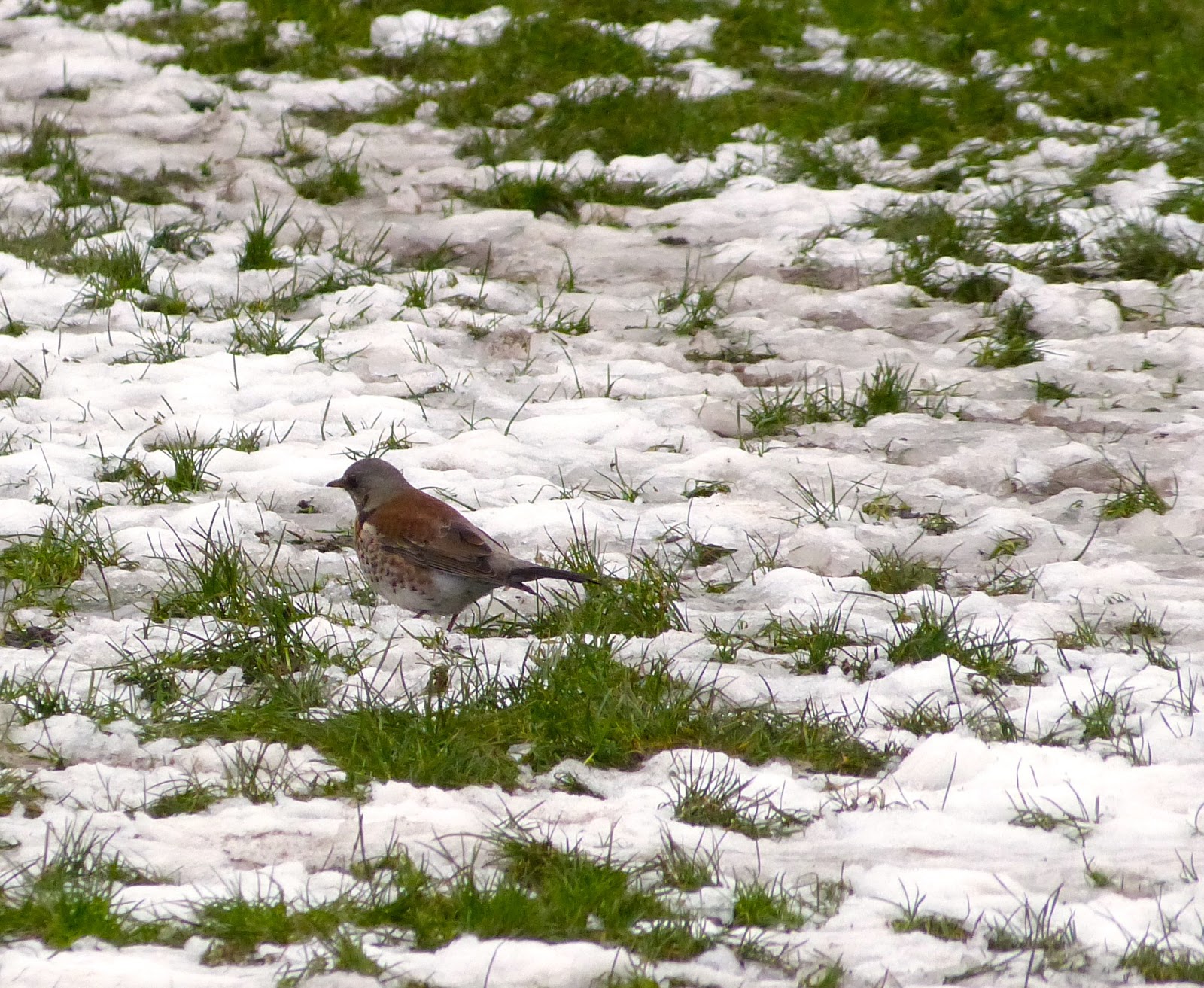
Last week saw a fantastic influx of Fieldfares down at The Scrubs. Normally, we are lucky to see perhaps one or two head over at this time of year. But due to the severe weather there was influx that saw at least 200 birds on site variously feeding on the ground, hanging out in the trees and flighting between the both.
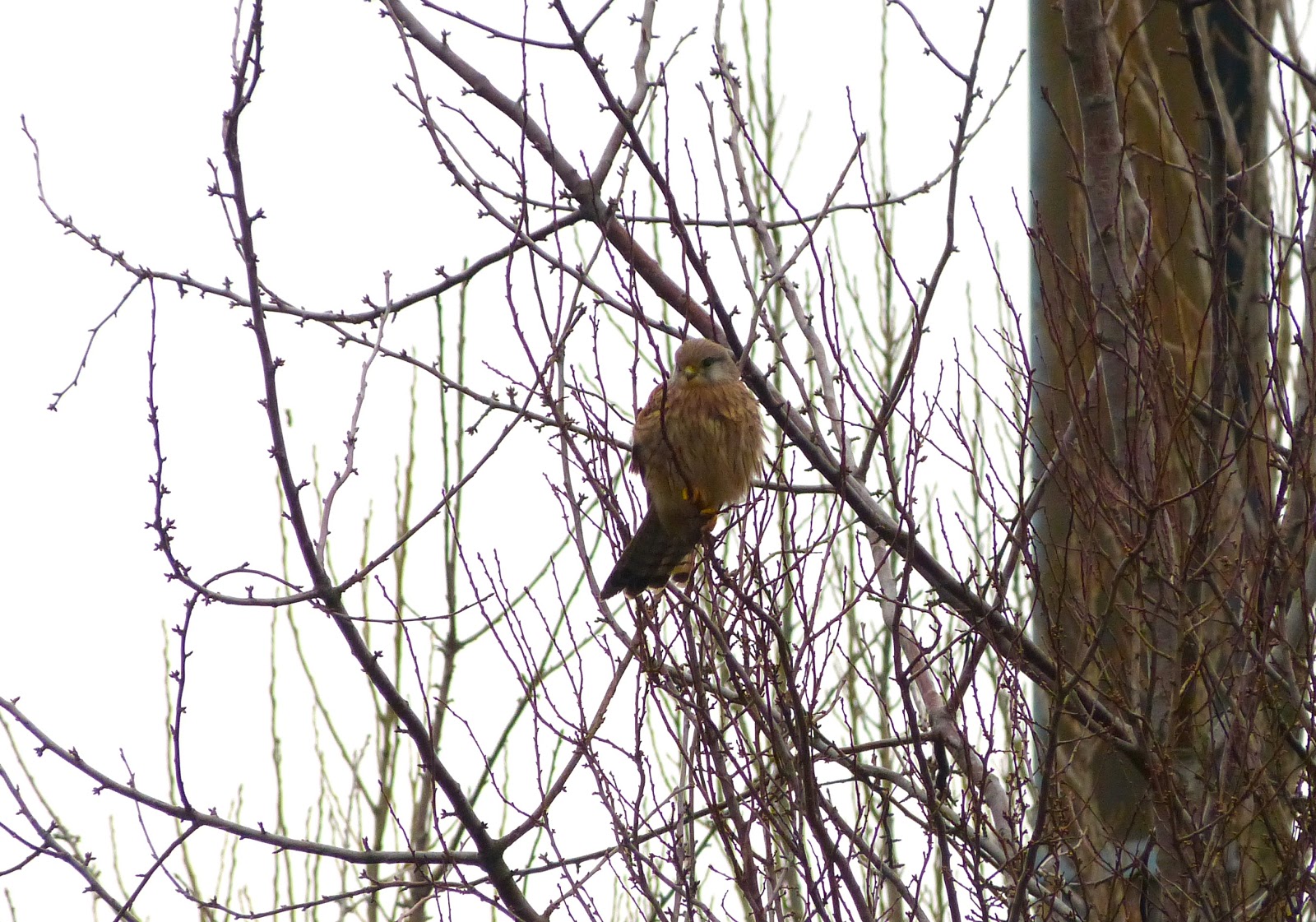
All the action was presided over by a Kestrel!
 A Fieldare views the scenery
 Kestrel
Fieldfare looking for morsels

My Portuguese list

Life has raced on and I’m now sitting in an apartment in Los Angeles as I write this blog entry about my short time spent hanging out in the Alentejo Region in Portugal just a few days ago. I certainly consider myself lucky to be able to have such a seemingly jetset lifestyle. 
Of course, it couldn’t be further from the truth as there is never any time for just simply lounging in the sun. Anyway, ahead of the piece that I will write about my experiences in the Alentejo in a future issue of Bird Watching Magazine, I thought that I would supply you with the list of species that I encountered whilst I was there.
Incidently, I was in Portugal primarily to discuss the distinct possibility of me presenting a film on birding in the region potentially to be funded by the region’s tourist boards. Watch this space.
 Yellow-legged Gull – looking sideways
 TUB – looking up!
A Little Owl – just looking

Some of the birds that I saw:

Great Crested Grebe
Black-necked Grebe
Little Grebe
Great Cormorant
Little Great
Great Egret
Squacco Heron
Grey Heron
Black-crowned Night Heron
Glossy Ibis
White Stork
Greater Flamingo
Mallard
Shoveler
Wigeon
Teal
Osprey
Marsh Harrier
Common Buzzard
Black-shouldered Kite
Sparrowhawk
Kestrel
Coot
Oystercatcher
Black-winged Stilt
Ringed Plover
Grey Plover
Lapwing
Common Sandpiper
Greenshank
Redshank
Bar-tailed Godwit
Curlew
Ruff
Snipe
Black-headed Gull
Mediterranean Gull
Little Gull
Yellow-legged Gull
Lesser Black-back
Sandwich Tern
Wood Pigeon
Collared Dove
Little Owl
Kingfisher
Great Spotted Woodpecker (heard)
Skylark
Barn Swallow
Meadow Pipit
White Wagtail
Wren (heard)
Robin
Black Redstart
Stonechat
Song Thrush
Redwing
Blackbird
Blackcap
Zitting Cisticola
Chiffchaff
Great Tit
Blue Tit
Long-tailed Tit
Nuthatch
Iberian Grey Shrike
Magpie
Azure-winged Magpie
Jay
Carrion Crow
Spotless Starling
House Sparrow
Chaffinch
Siskin
Serin
Greenfinch
Goldfinch
Rock Bunting
Corn Bunting

81 species

My views on the Alentejo region, Portugal

I snuck off for a quick for day trip to the Alentejo region of Portugal. It is the area sandwiched between Lisbon in the north and the Algarve in the south. Most people who visit Portugal tend to make a beeline for the latter area missing out on this amazing area.

 Male Chaffinch
 Greenfinches with a solitary Serin on the right
Common Sandpiper 
 Female Black Redstart
Little Owl 
Iberian Grey Shrike

I’ll break down my trip a bit more tomorrow.

Ruff day at The Scrubs

The last couple of days at The Scrubs have been pretty good when it comes to adding to our newly started 2013 year list.
Yesterday, after watching my personal first Bullfinches fly over (however, not the first for The Scrubs this year) I glimpsed a Med Gull flying past and managed to grab a rather rubbish record shot.
 Mediterranean Gull spiriting away
 Common Gull

The Med Gull was flying in loose association with a bunch of Common and Black-headed Gulls and was the first for the year on the patch. They are seen annually but usually have to be searched for. A little later, I was walking through the grassland when a Ruff flew low over my head, twice, as it circuited the area looking as though it was going to land. It eventually disappeared heading northwest.

Interestingly, a Ruff turned up at the nearby London Wetland Centre. Was it my bird?

 A party of Ruff in the Hula Valley, Israel
A Mediterranean Gull – photographed in Hartlepool.

Today, a Woodcock was flushed by an intrepid Scrubber – another year tick!

New bird for the 2013 Scrubs List

Great Black-back Gull (Russell F Spencer)

Whilst I was having a meeting within a warm, posh cafe in Notting Hill things were stirring at The Scrubs. I was chatting with the main marketing woman at Hurtigruten regarding my leading a cruise for them and the RSPB along the Norwegian coast in April. It will be a 10 day affair – but more about that another day.

Anyway, whilst I was supping hot chocolate an intrepid Scrubber was bracing the cold at The Scrubs and was rewarded with the sight of a passing Great Black-back – a newby on our year list. We get between one and five a year so they are not that common. Our year list is probably around the 40 species mark. It’s a good start especially given that we can easily expect to see 80 by September.

Big things often have small beginnings.