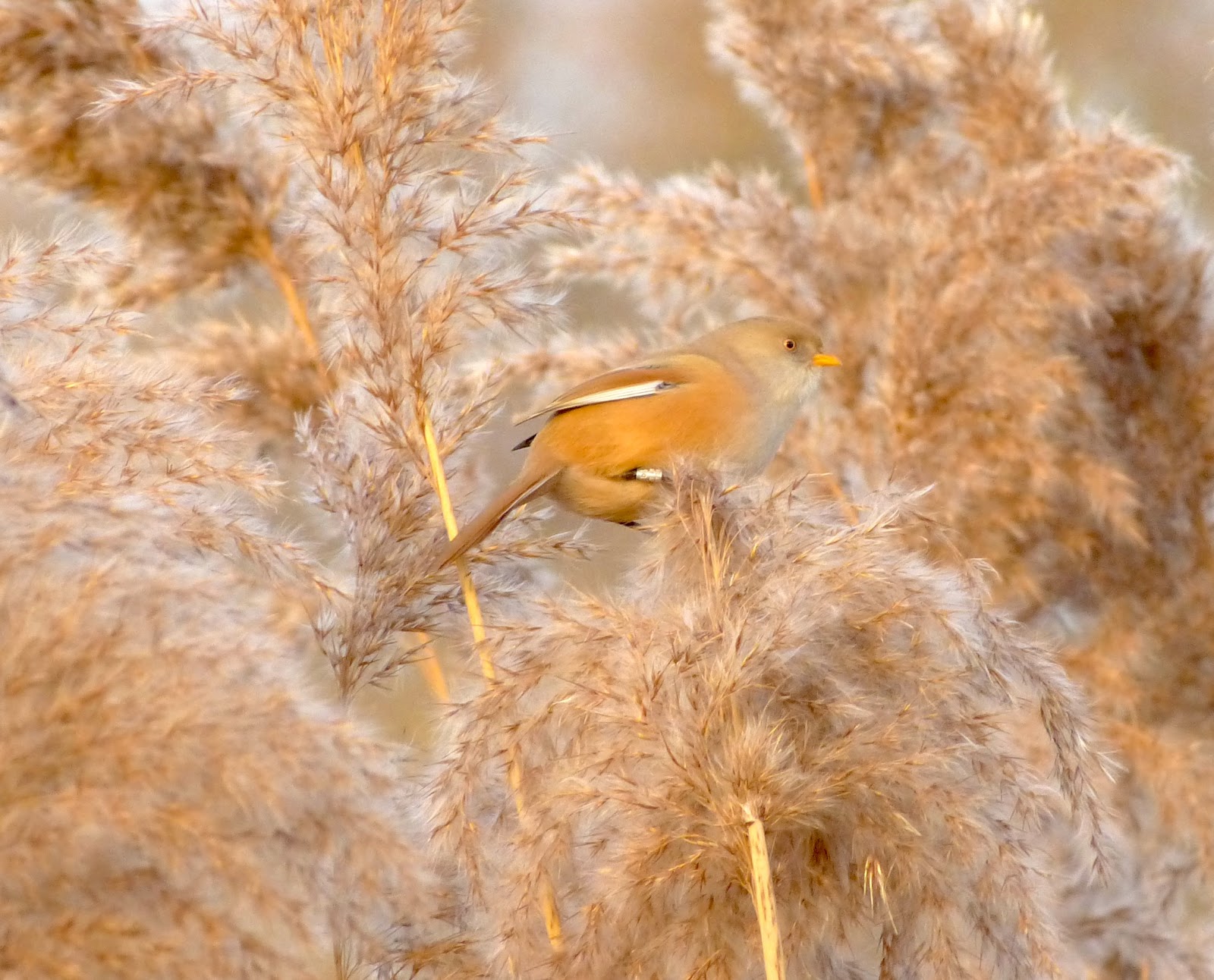
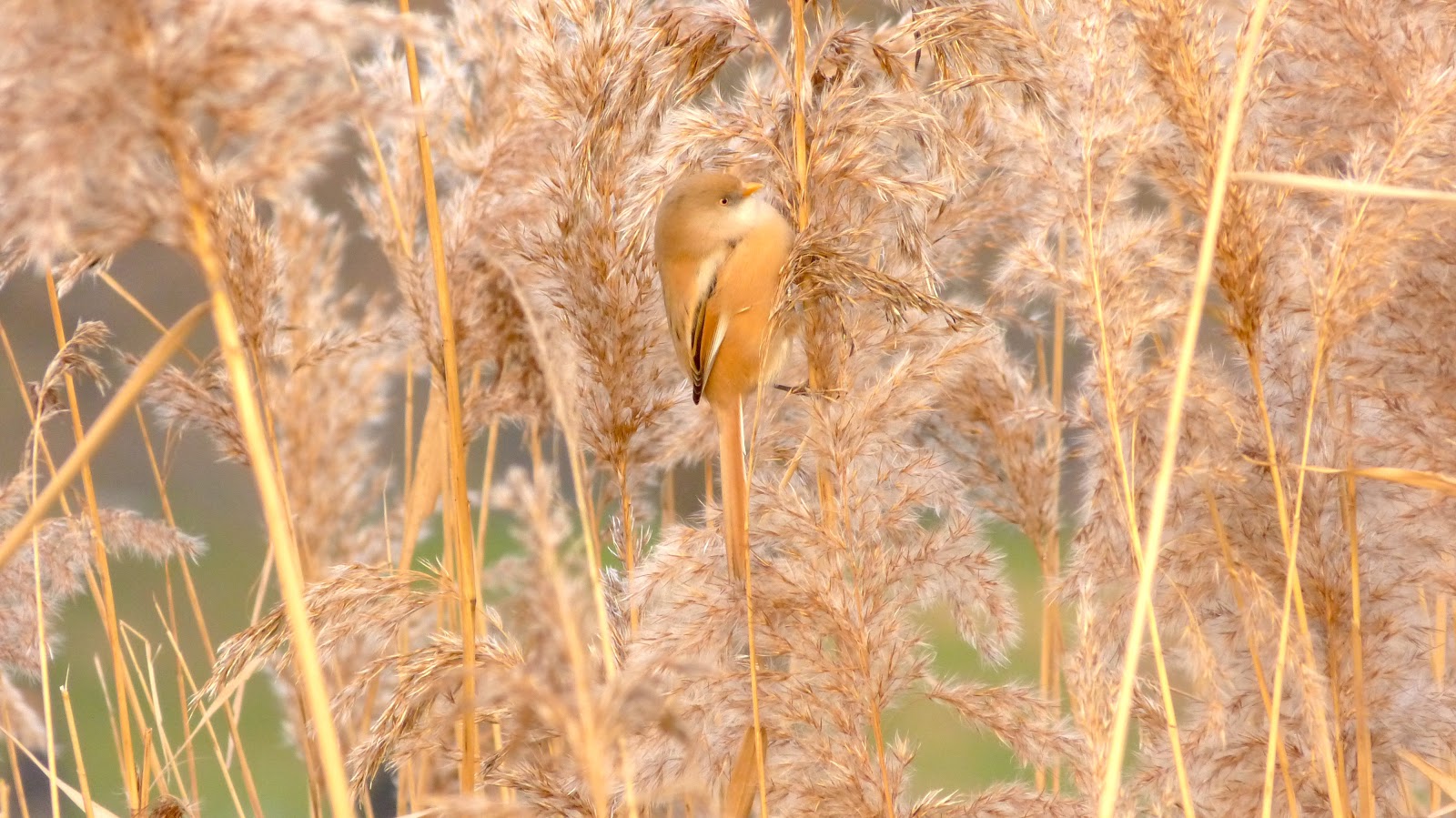
A pair of false tits in Kensington Gardens

It is getting decidedly colder as we approach the weekend. The weather people are predicting snow and freezing temperatures next week. Great. This morning’s stroll around The Scrubs although pleasant was fairly unproductive with just 1 Fieldfare, 2 Redwings and maybe 3 Lesser Redpolls to show for my efforts.
Later in the afternoon I allowed myself to be diverted by emails whilst writing. It was there that I learnt of inner London’s first ever Bearded Tits that were rummaging in a tiny tract of reedbed by the Serpentine in Kensington Gardens of all places. Apparently, they were first discovered in December. I’m usually not one for twitches but seeing as they were five minutes drive away it would have been rude not to have seen them.

 The female Bearded Tits

It was incredible to watch these birds at a distance of around six feet feeding unconcerned by passing parkgoers and a small battery of birders camera lenses. At one point they hopped onto the ground under the reeds in full view belying their relationship to their tit namesakes. They are currently lumped in with Parrotbills and indeed, their formal international name is Bearded Parrotbill.

The current thinking may change though because Bearded Tits seem to have no real close relatives so scientists may place them into a family of their own. Either way, it was an amazing sight to witness in central London.

New species of flycatcher for Thailand?

You may remember from one of my recent Bangkok entries the reference to a species of flycatcher found by my good friend and Bangkok resident, Dave Gandy, in Suan Rot Fai, also known as Wachirabenchathat Park or Railway Park, his local patch in the northwest of the city. 
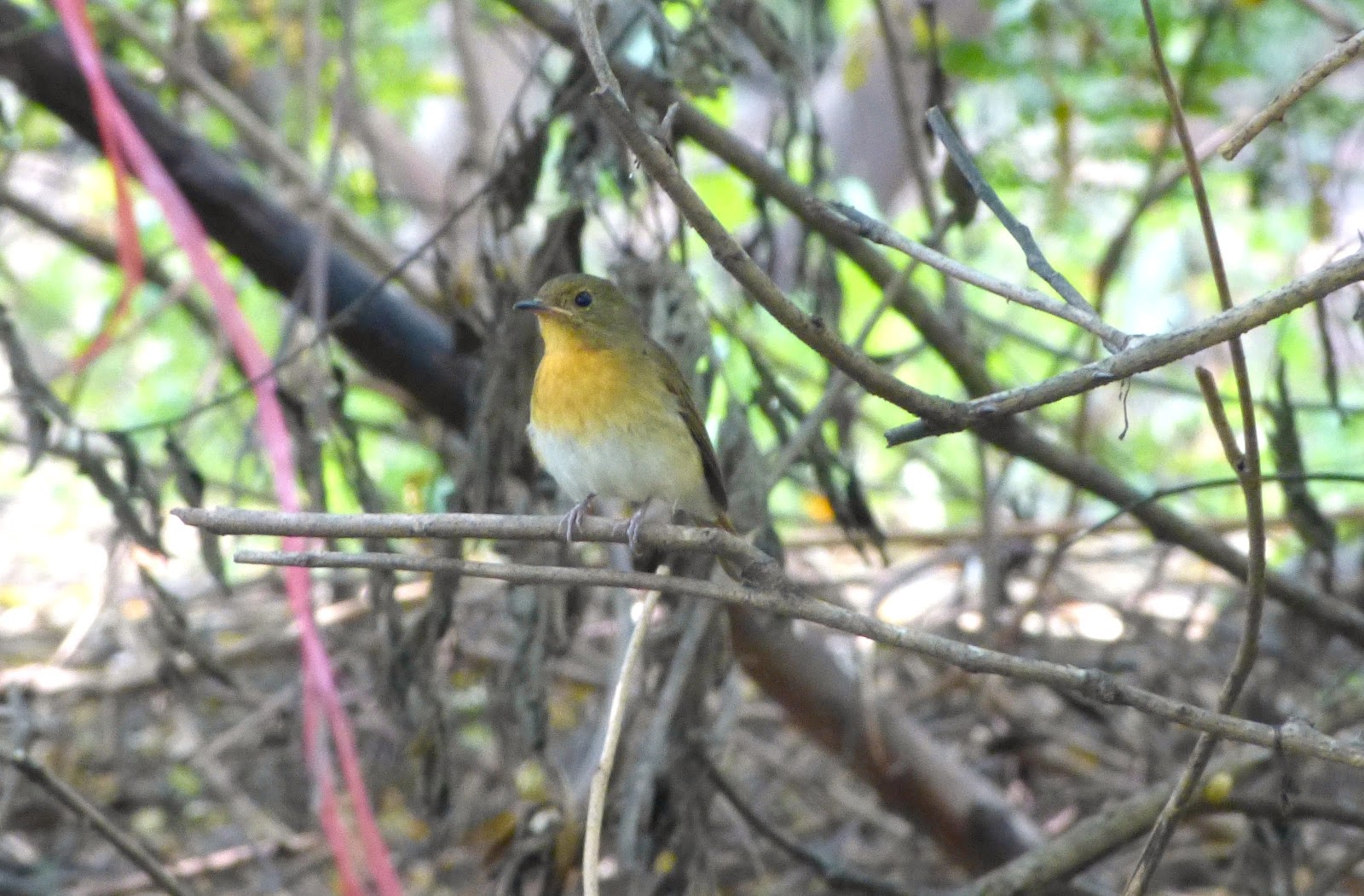
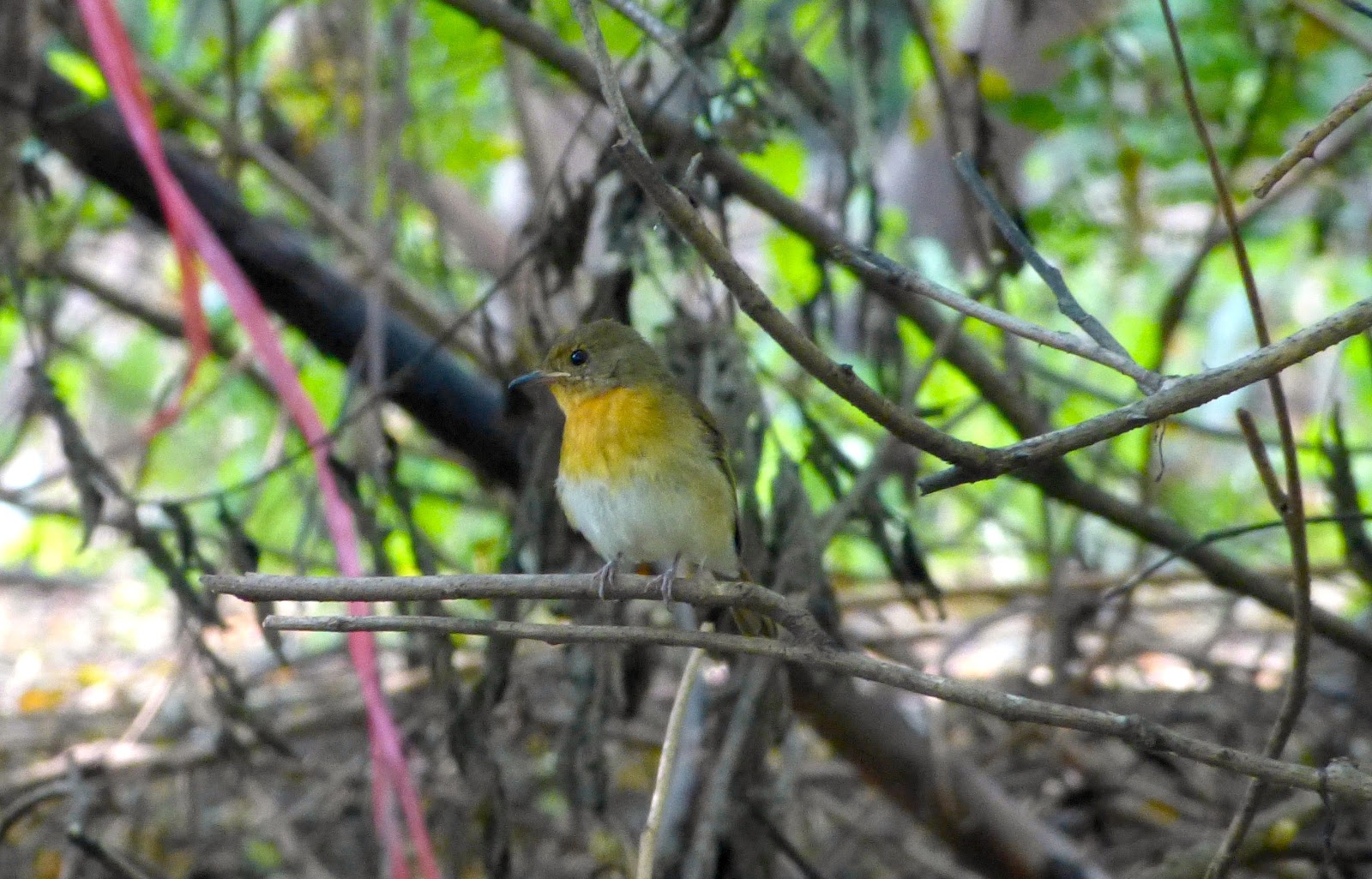
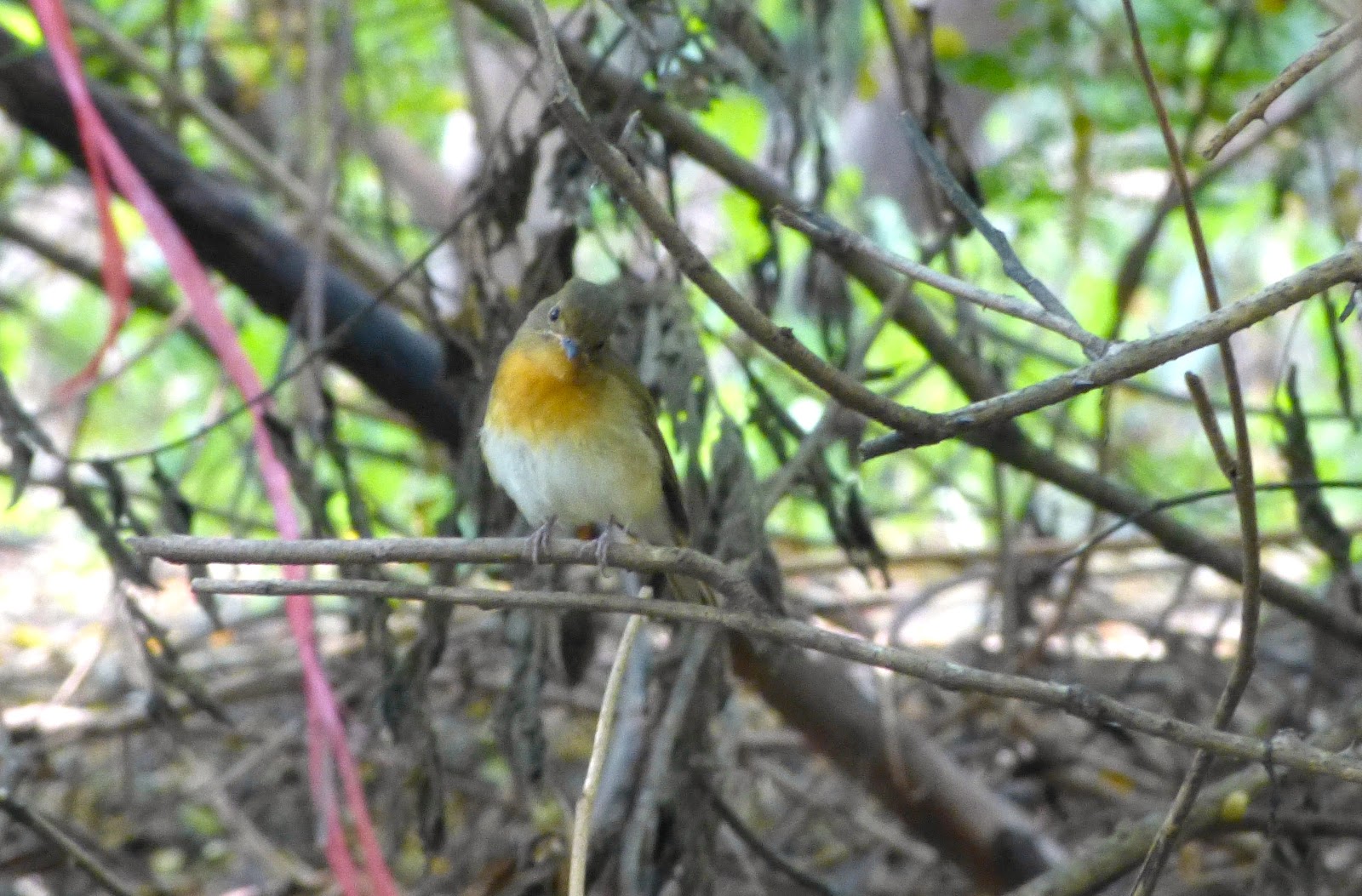
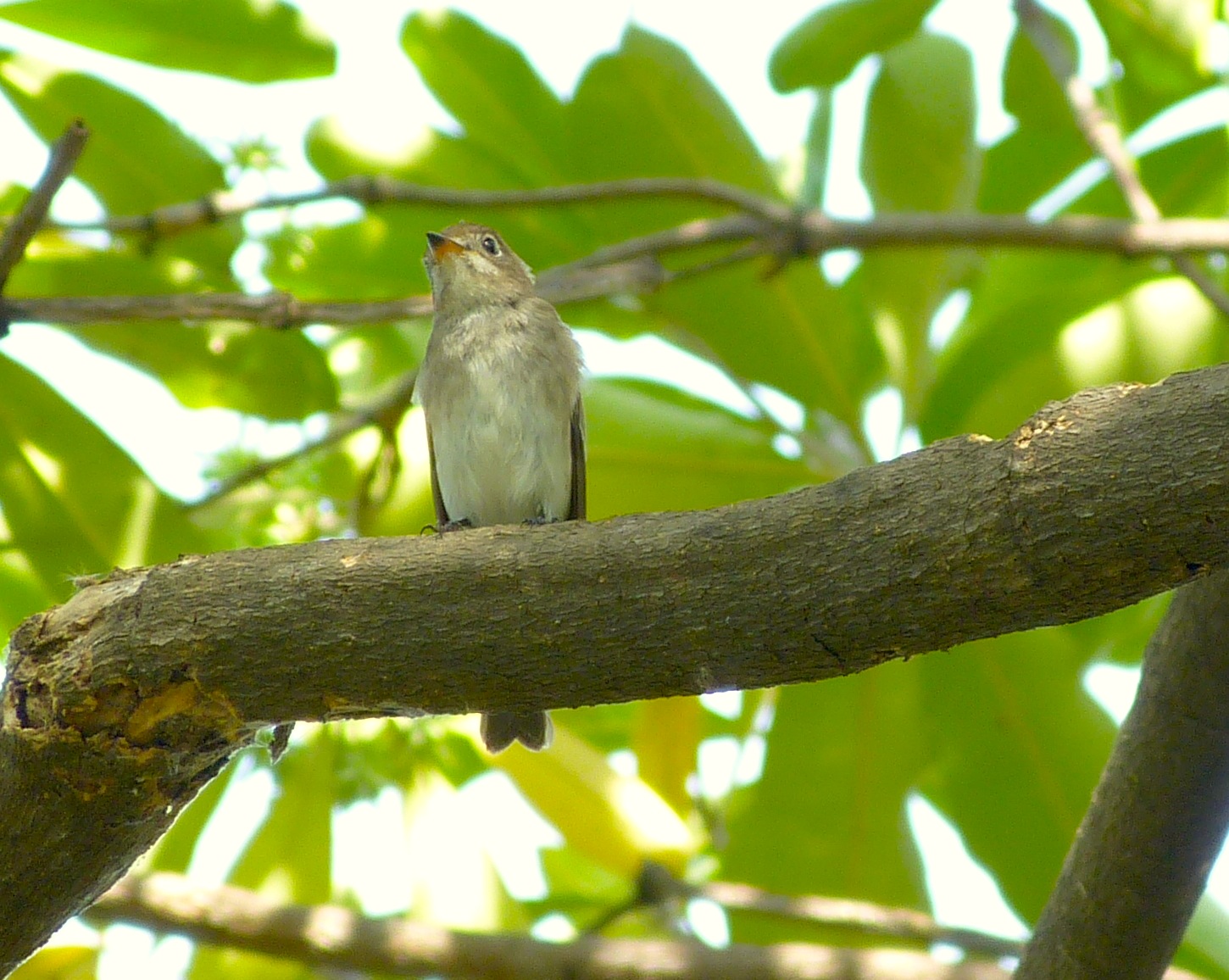
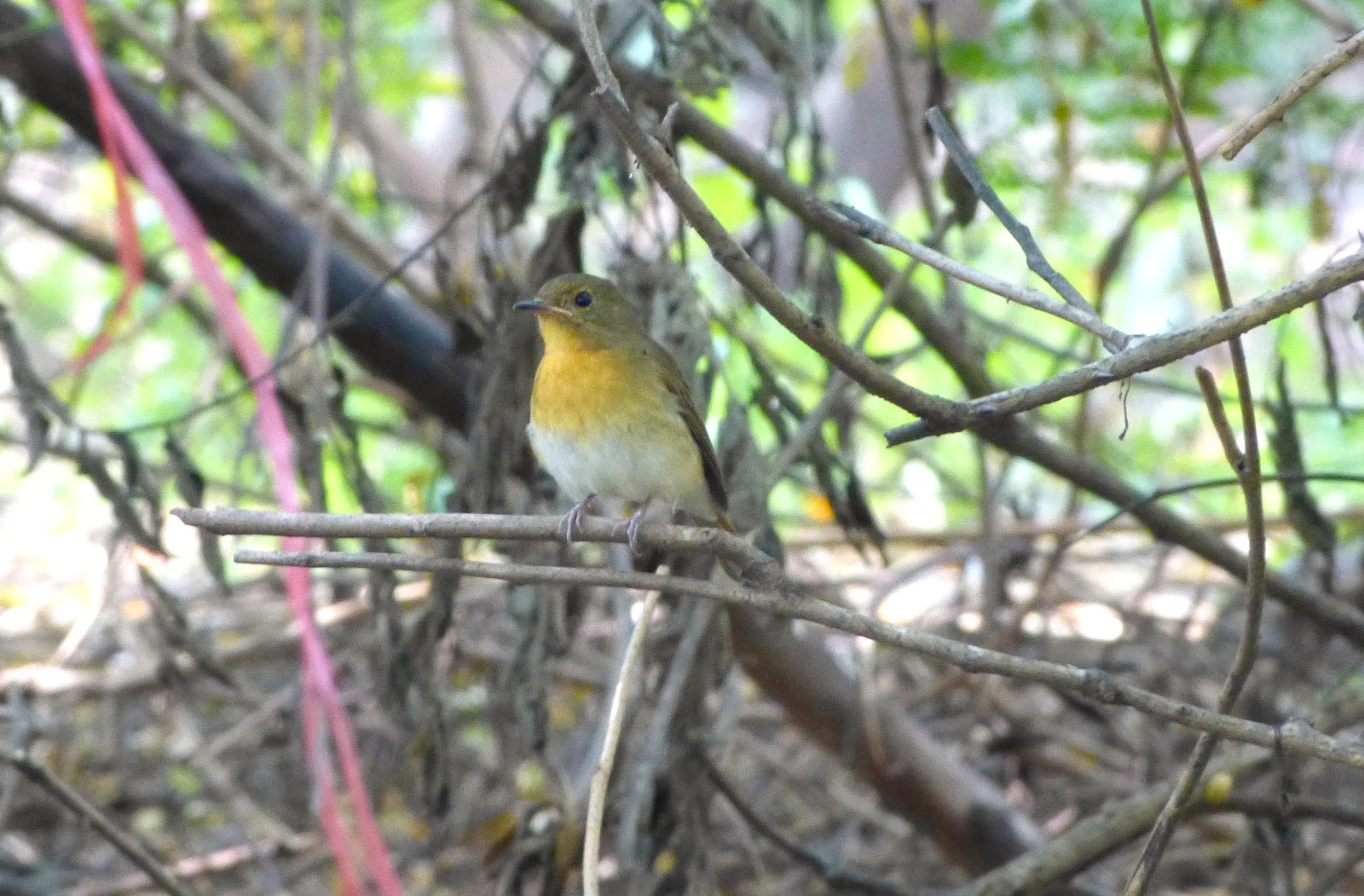
When Dave took me to see the bird on Boxing Day it had already been in the area (a thicket area of low shrubs) for at least a week. This bird is thought to belong to the ‘Cyornis’ clan of flycatchers. The distiguishing feature of this largely Asian genus of flycatchers is that the males tend to blue headed with blue wings whilst the females are brown with varying degrees of orange on their throats and chests. The female we saw (depicted) clearly displayed an orange throat and upper chest.

There are several species that are either found in Thailand or have been recorded as vagrants. Last year a rare Chinese Blue Flycatcher wintered in the very same area. It was a male so was a little easier to identify.

Our particular bird was later identified as another Chinese Blue Flycatcher. But when the images were sent to Phil Round, one of Thailand’s top birders, he doubted the original prognosis. His thoughts swung towards the possibility of it being a Large Blue Flycatcher – a first for Thailand.

I haven’t even heard of that species before so couldn’t initially proffer an opinion. But I will do some research. What do you guys think? If you are interested in trying to solve this identification mystery then here are some notes on Cyornis flycatchers http://www.bcst.or.th/?p=1

Plus here are some of Dave’s pictures and blog on the mystery flycatcher  http://bangkokcitybirding.blogspot.com/2012/12/another-visitor-from-london-innit.html

Back to the grindstone

After two weeks of lounging in the sun I’ve returned to sombre grey Britain and an to equally sombre and grey local patch. Sadly, we didn’t make 100 species for 2012 but ended up on 97 with the last addition to the list being the Woodcock that I flushed from the grassland in early December.
I missed the deluge of rain over the Christmas period but the evidence was clear to see all around my patch. There were puddles and mud everywhere. Our chances of hitting the magical 100 this year are fading already. One of our regular experienced Scrubbers is about to have a baby – well, his wife is – which means that his activity will be curtailed. Another keen Scrubber, whose visits had admittedly been far and few between in 2012 sent me a text saying that he has moved out of the area and will not be covering the patch. Plus, it looks like I will be away a lot during the crucial spring and autumn periods so unless we get some new blood it looks like it’s going to be a struggle in 2013.
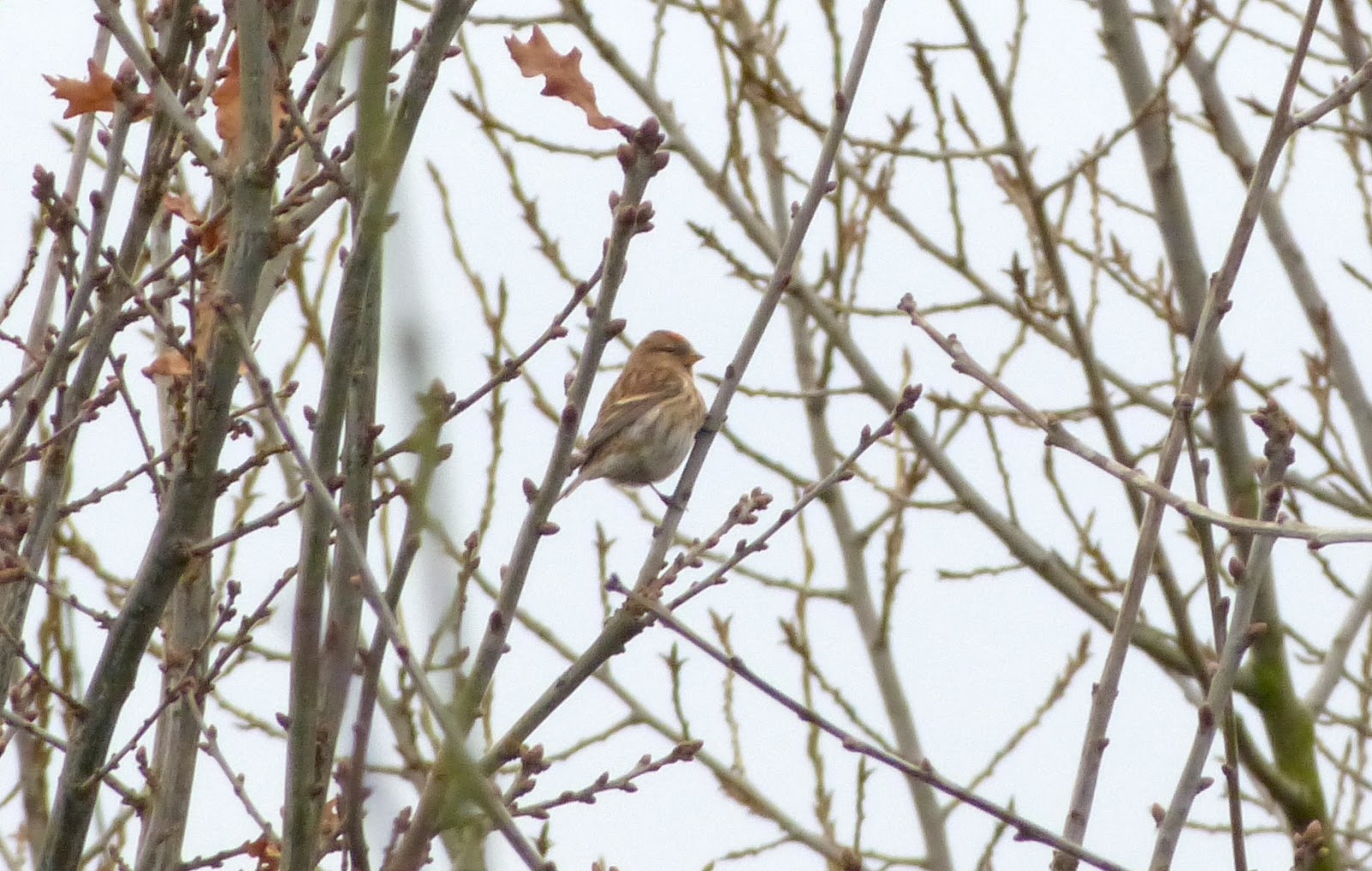
 Lesser Redpoll
 Robin
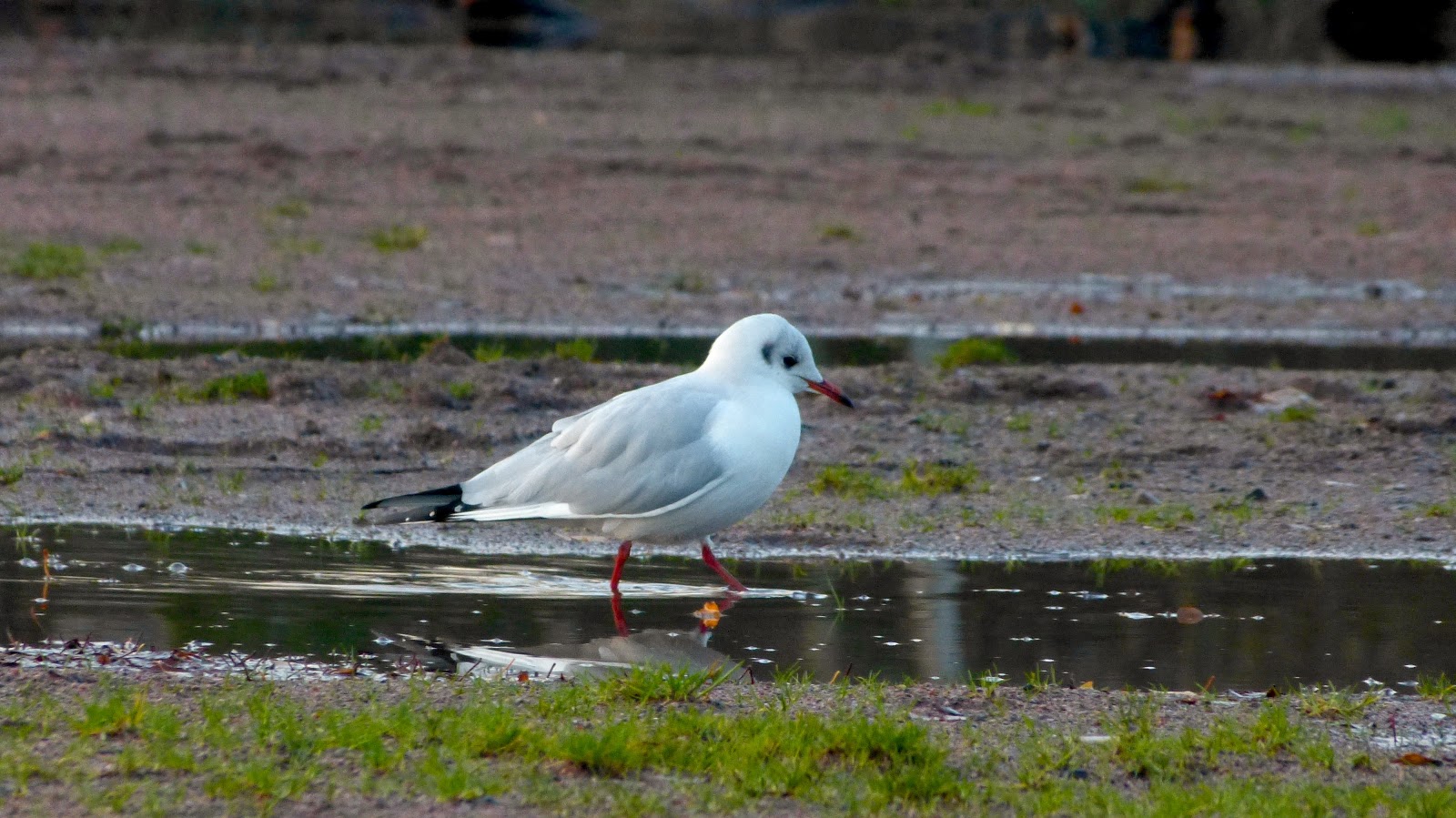
 Black-headed Gull
A wretched female Rose-ringed Parakeet

On a lighter note, we are probably already on 40 species for the year and should comfortably get another 40 by September. The rest will be in the laps of the birding gods!

Thailand – the final instalment

 White-fronted Plover??
 White-fronted Plover??
 Male (below) and female Red Collared Dove
 Common Sandpiper
 Pied Asian Starling
 Collared Kingfisher
 Asian Openbill Stork
Paddyfield Pipit

A great holiday with some great birds. Read the full account of my birding in Chiang Mai in a forthcoming issue of Birdwatching Magazine.

In the meantime, I’m back in grey and chilly Blighty. As a little reminder of my time in Thailand I’ve included the complete list of birds that I identified. As you may imagine, there were a ton of birds that I just couldn’t work out!

Little Cormorant
Little Egret
Pacific Reef Egret
Great Egret
Eastern Cattle Egret
Grey Heron
Chinese Pond Heron
Black-crowned Night Heron
Grey Heron
Brahminy Kite
Osprey
Crested Serpant Eagle
Peregrine
Asian Openbill
White-breasted Waterhen
Common Moorhen
Mountain
Bamboo Partridge
Mrs
Hume’s Pheasant
Red-wattled Lapwing
Little Ringed Plover
Kentish Plover
Malaysian Plover
Lesser Sandplover
Greater Sandplover
Pacific Golden Plover
Pied Avocet
Black-winged Stilt
Spotted Redshank
Common Greenshank
Marsh Sandpiper
Wood Sandpiper
Common Sandpiper
Spoon-billed Sandpiper
Red-necked Stint
Curlew Sandpiper
Broad-billed Sandpiper
Black-tailed Godwit
Bar-tailed Godwit
Eurasian Curlew (heard)
Heuglin’s Gull
Brown-headed Gull
Caspian Tern
Greater Crested Tern
Common Tern
Roseate Tern
Gull-billed Tern
Little Tern
Whiskered Tern
Feral Pigeon
Mountain
Imperial Pigeon
Oriental Turtle Dove
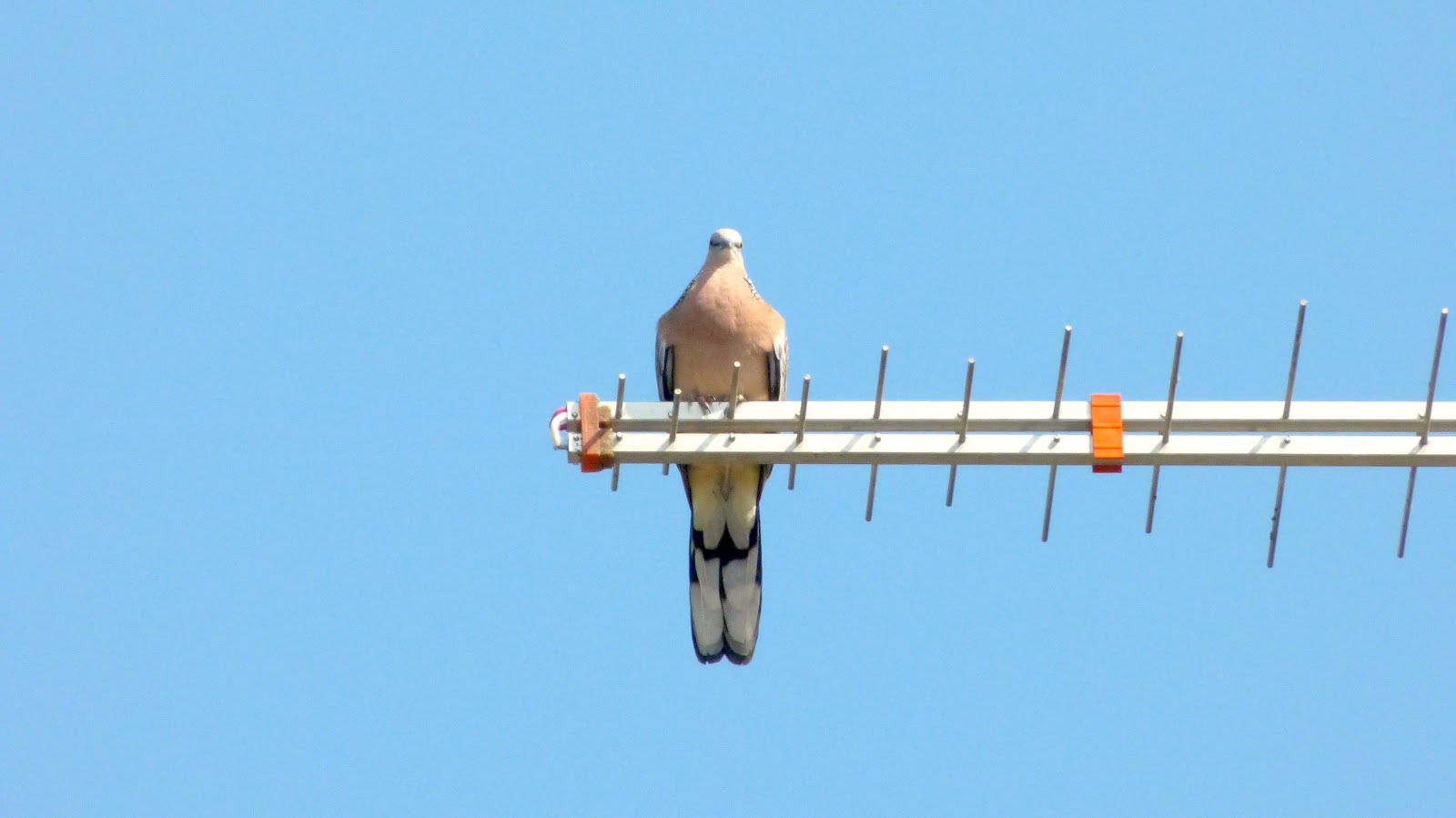
Spotted Dove
Red-collared Dove
Little
Cuckoo Dove
Peaceful Dove
Pink-necked Green Pigeon
Greater Coucal
Asian Emerald Cuckoo
Asian Koel
Green-billed
Malkoha
Asian
Barred Owlet
Large-tailed
Nightjar
Himalayan Swiftlet
Asian Palm Swift
Pacific
Swift
Cook’s
Swift
House Swift
Common Kingfisher
White-throated Kingfisher
Black-capped Kingfisher
Collared Kingfisher
Blue-tailed Bee-eater
Indian Roller
Lesser
Yellownape
Grey-capped
Pygmy Woodpecker
Stripe-breasted
Woodpecker
Coppersmith Barbet
Asian House Martin
Sand Martin
Bank Swallow
Wire-tailed Swallow
Paddyfield Pipit
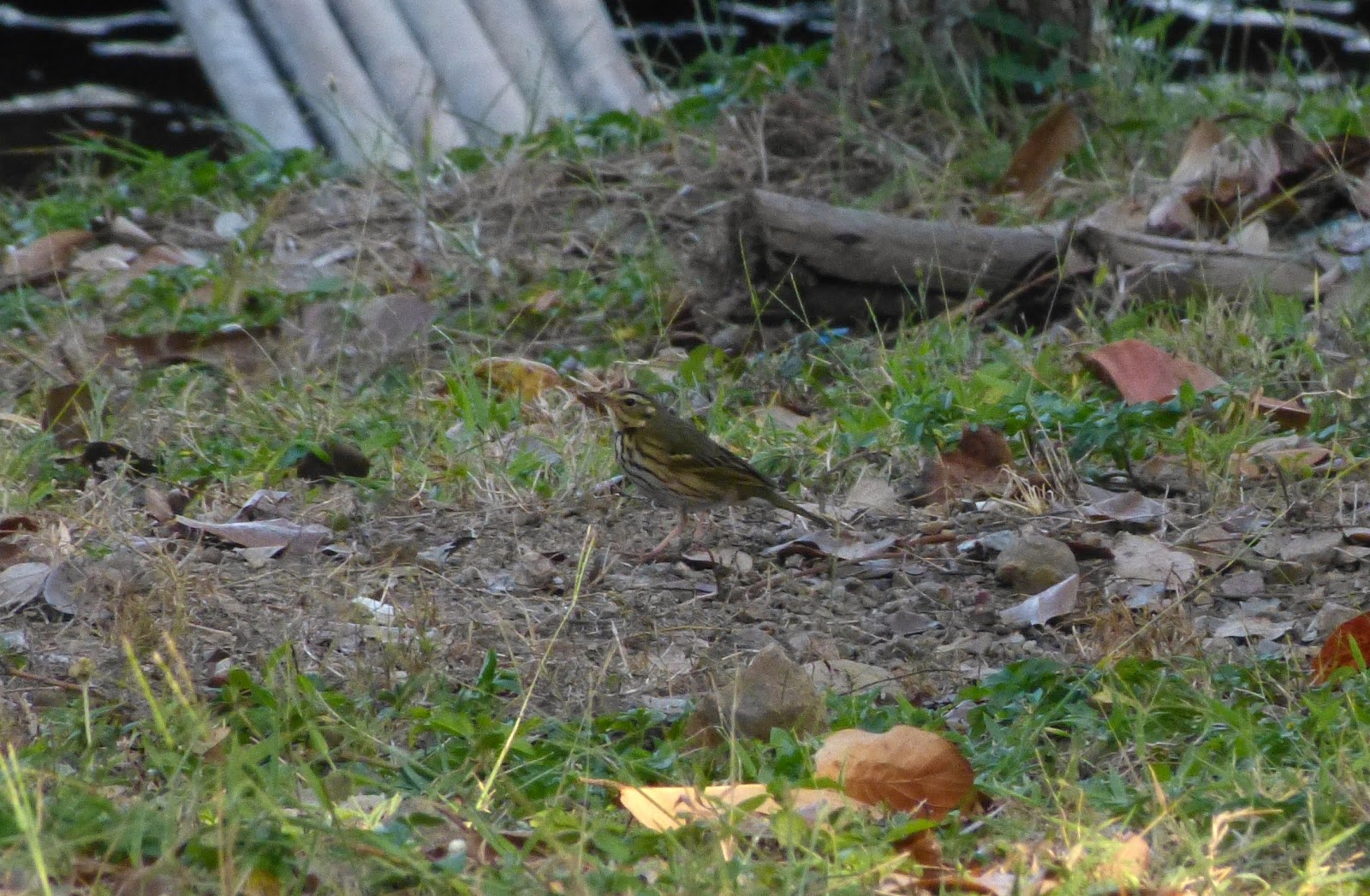
Olive-backed
Pipit
White Wagtail
Yellow Wagtail
Grey Wagtail
Grey
Bushchat
Siberian Stonechat
Blue Whistling Thrush
Rufescent
Prinia
Plain Prinia
Common Tailorbird
Thick-billed
Warbler
Dusky Warbler
((Raddes Warbler))
Two-barred
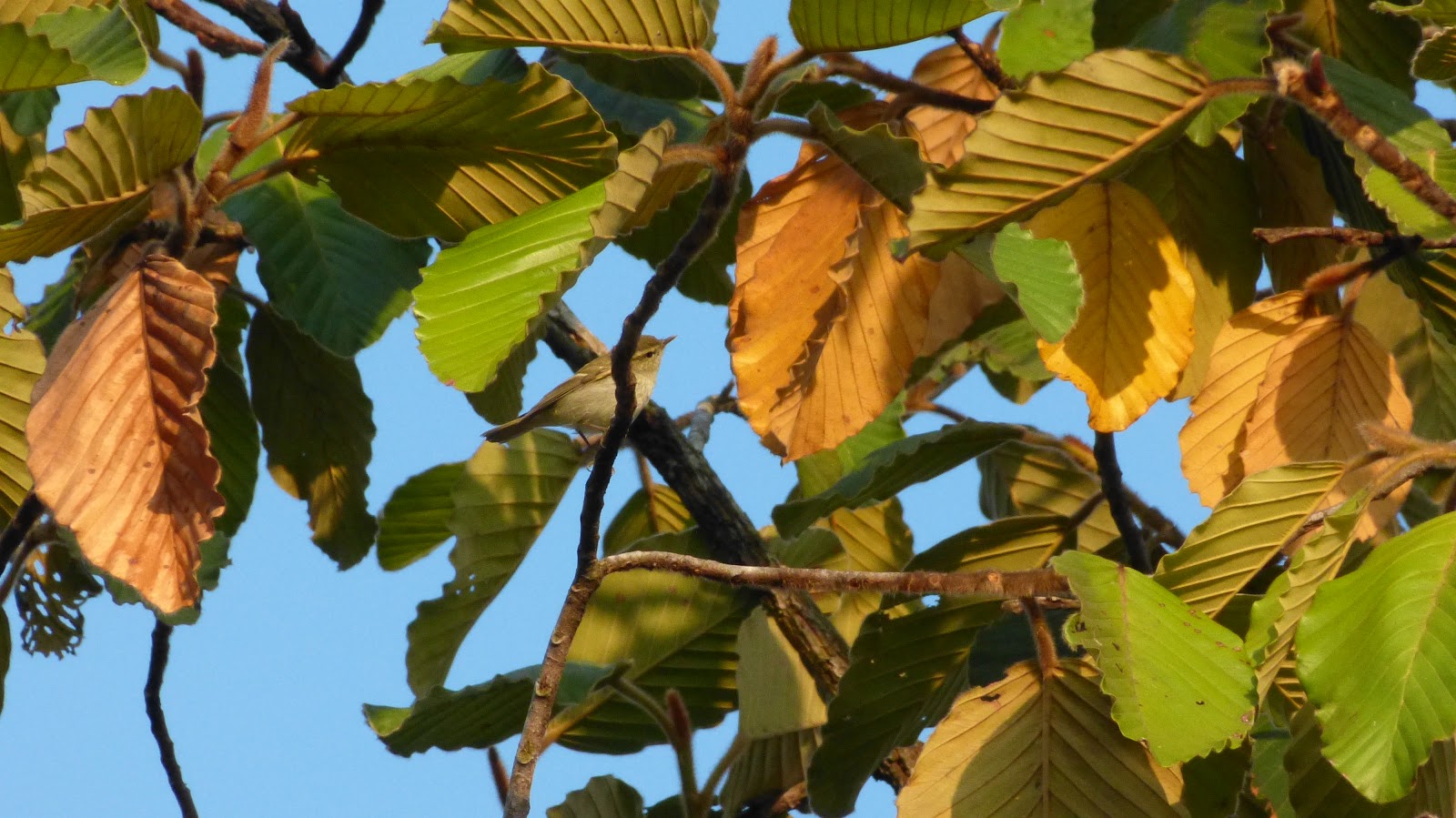
Greenish Warbler
Pallas’
Leaf Warbler
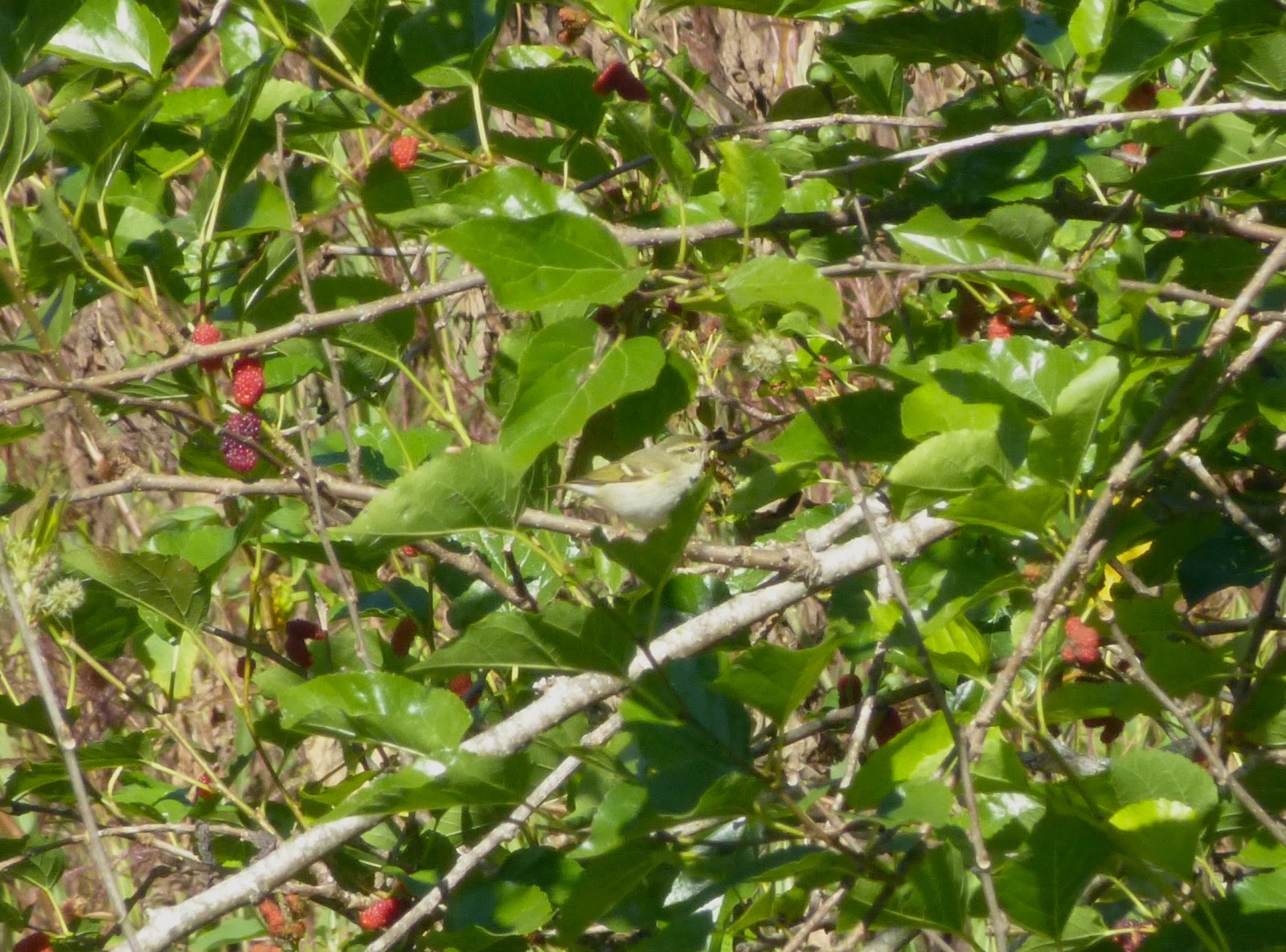
Yellow-browed Warbler
Hume’s
Yellow-browed Warbler
Chestnut-flanked
White-eye
Oriental White-eye
Japanese
White-eye
Grey-crowned
Warbler
Asian Brown Flycatcher
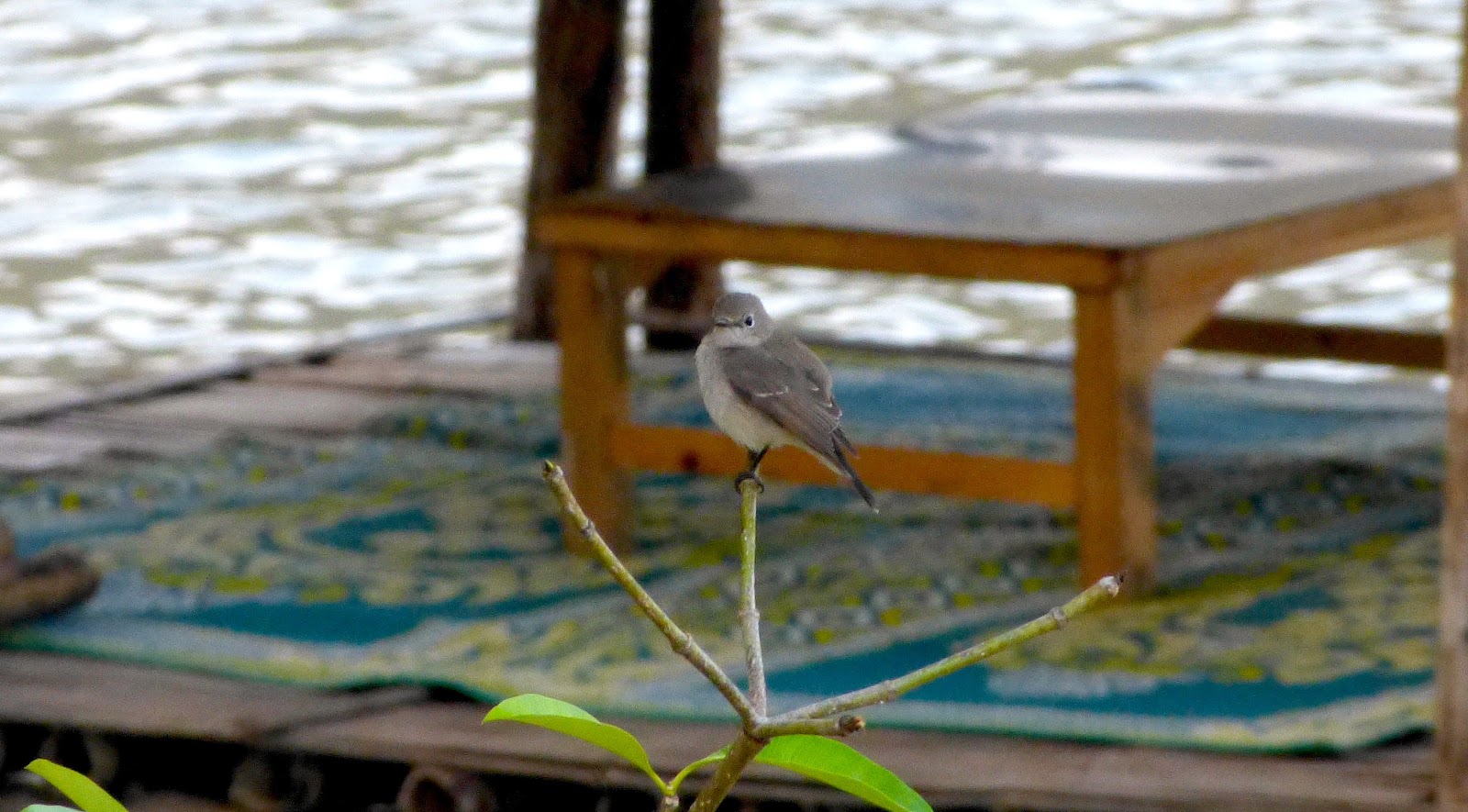
Taiga Flycatcher
((Little
Pied Flycatcher))
Hill
Blue Flycatcher
Chinese Blue Flycatcher
Grey-headed
Canary Flycatcher
Great Tit
Yellow-cheeked
Tit
Chestnut-vented
Nuthatch
Velvet-fronted
Nuthatch
Giant
Nuthatch
Brown Shrike
Grey-backed
Shrike
Black Drongo
Ashy Drongo
Spangled
Drongo
Black-naped Oriole
Slender-billed
Oriole
Maroon
Oriole
Black-winged Cuckoo-shrike
Large
Cuckoo-shrike
Grey-chinned
Minivet
Long-tailed
Minivet
Scarlet Minivet
Pied Fantail
Common Iora
Oriental Magpie Robin
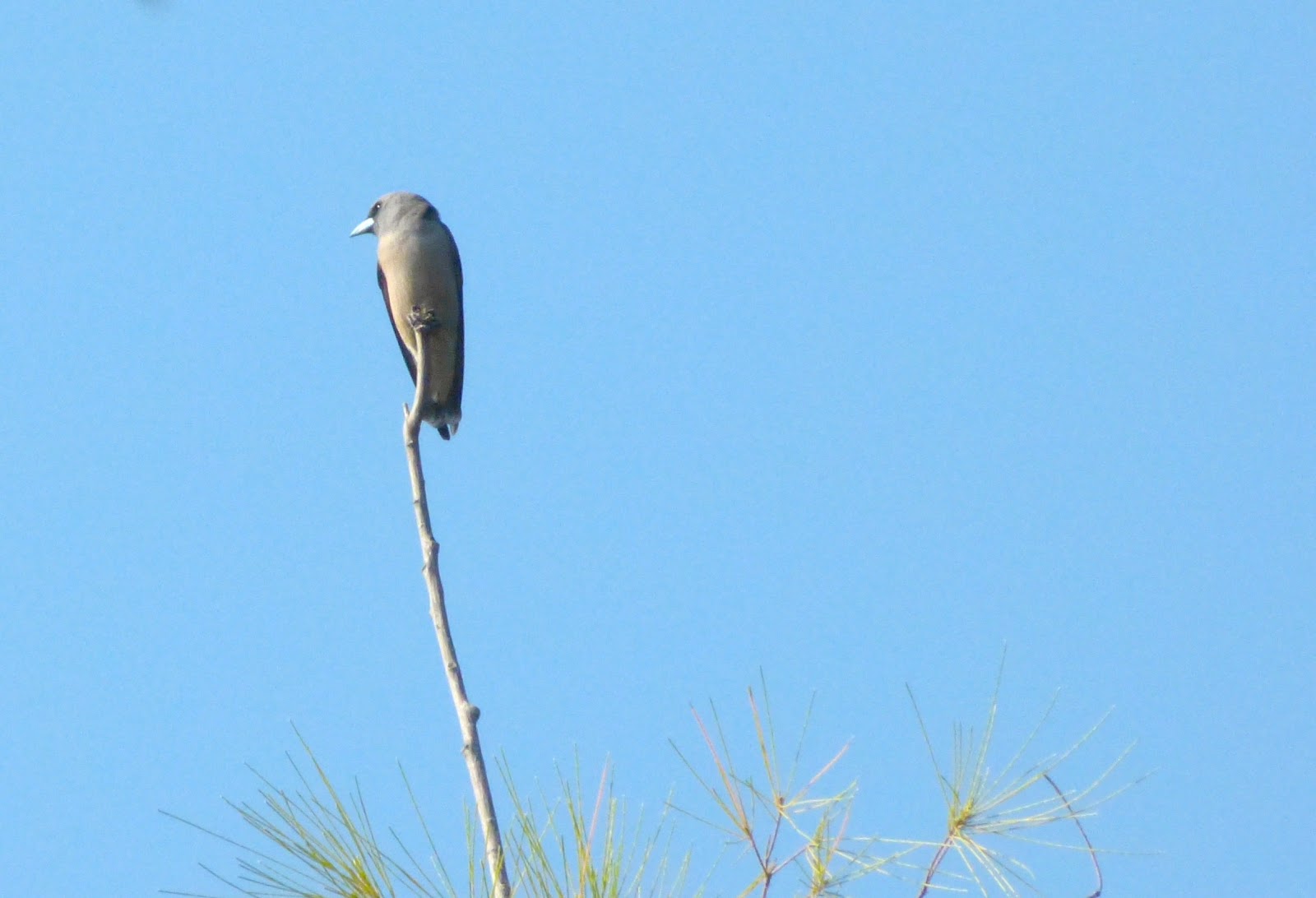
Ashy Woodswallow
Black-headed Bulbul
Red-whiskered
Bulbul
Sooty-headed
Bulbul
Flavescent
Bulbul
Streak-eared Bulbul
Mountain
Bulbul
Black Bulbul
White-browed
Scimitar Babbler
White-browed
Shrike Babbler
Brown-cheeked
Fulvetta
Fire-breasted
Flowerpecker
Scarlet-backed Flowerpecker
Olive-backed Sunbird
Purple
Sunbird
Mrs
Gould’s Sunbird
Eurasian Jay
Grey Treepie
Large-billed Crow
Asian Pied Starling
Black-collared Starling
Chestnut-tailed
Starling
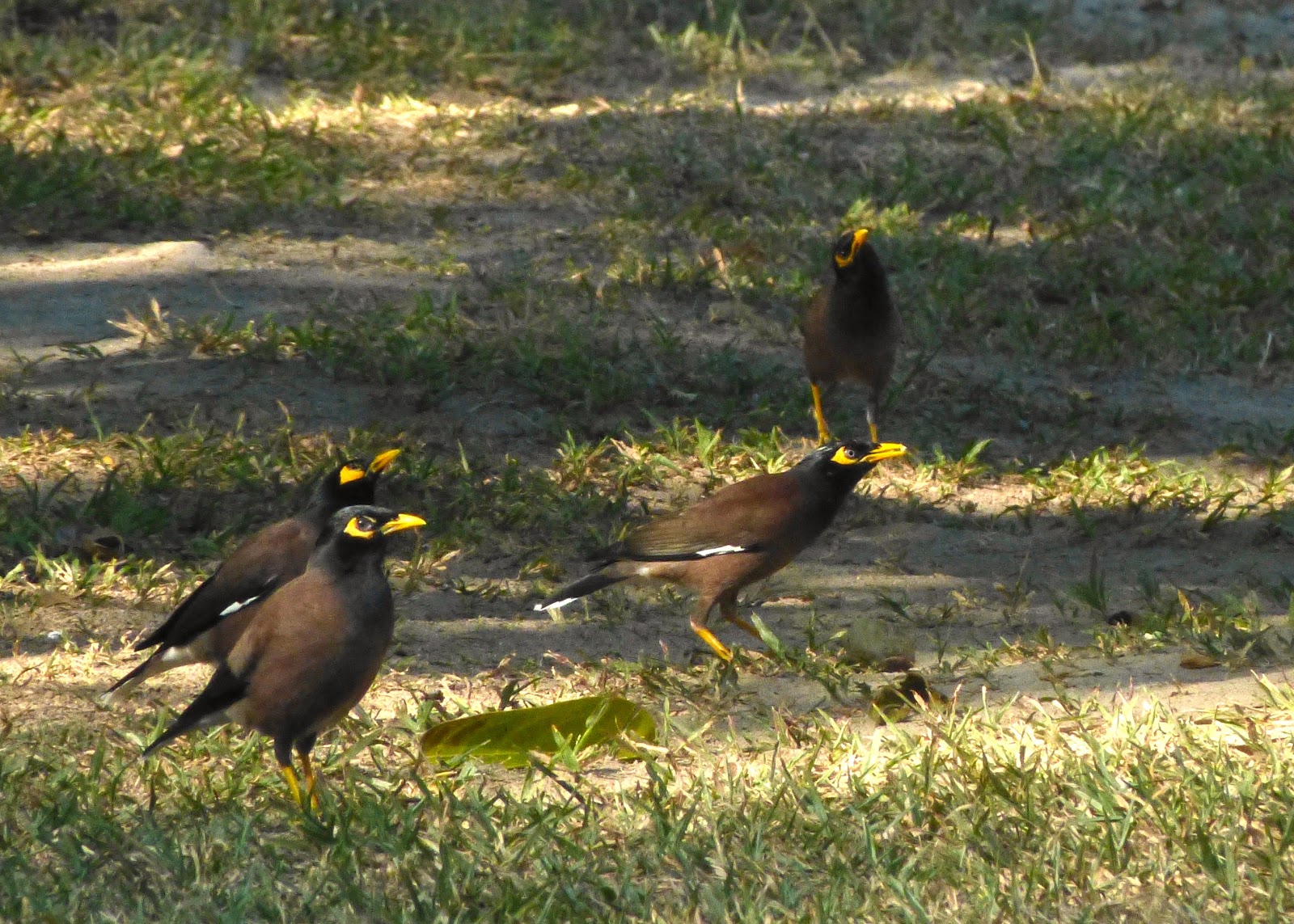
Common Myna
White-vented
Myna
House Sparrow
Tree Sparrow
Baya Weaver
Red
Avadavat
Scaly-breasted Munia
161
species
50
lifers

More from Pak Thale, Thailand

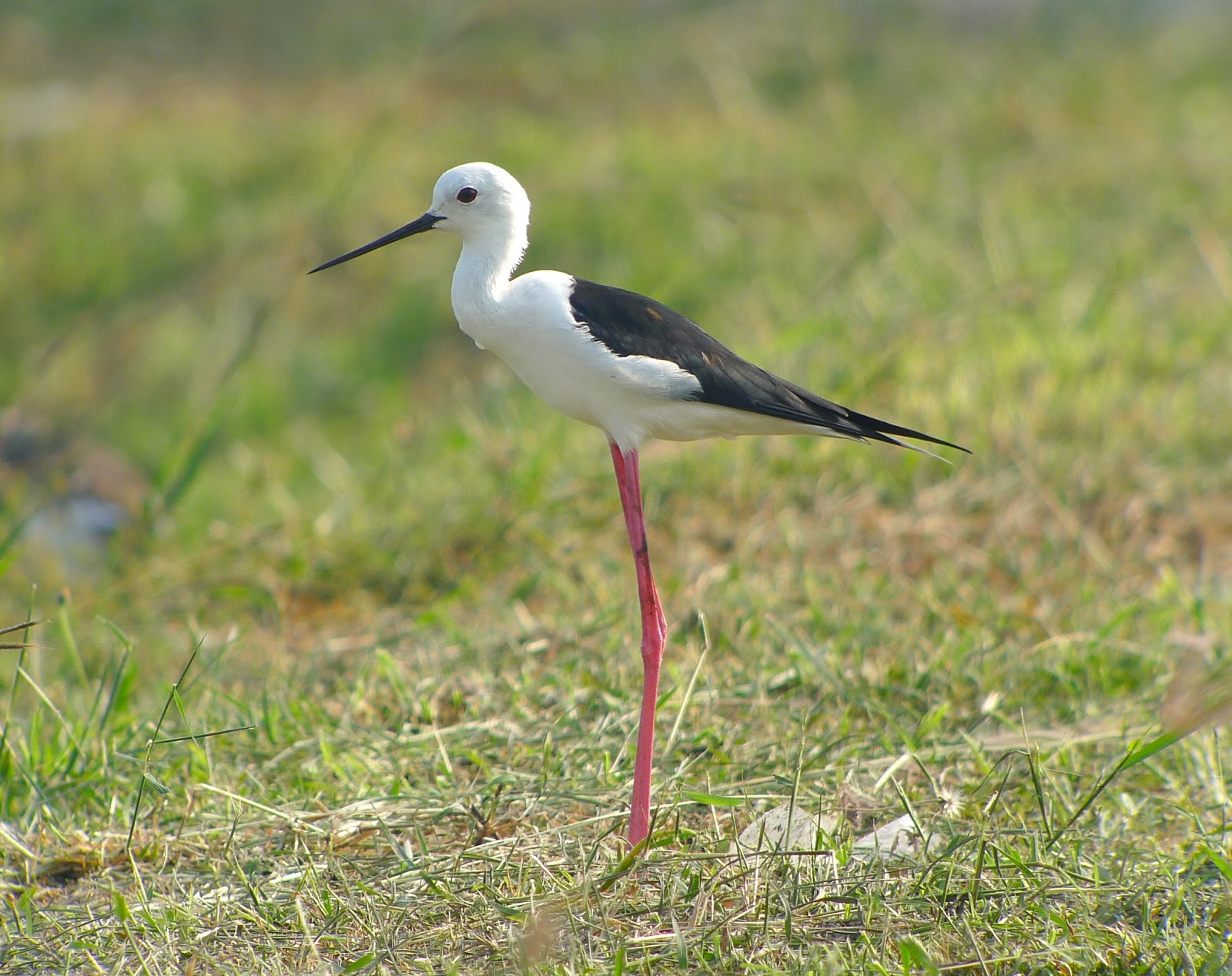
 Black-winged Stilt
 Whiskered Tern
 Marsh Sandpipers
 Black-tailed Godwit
 Little Egret
Spoon-billed Sandpiper – fuzzy shot, I know!

Red Collared Dove

 Broad-billed Sandpiper

Wood Sandpiper

Images from Pak Thale

 Red-wattled Lapwing
 Black-winged Stilt
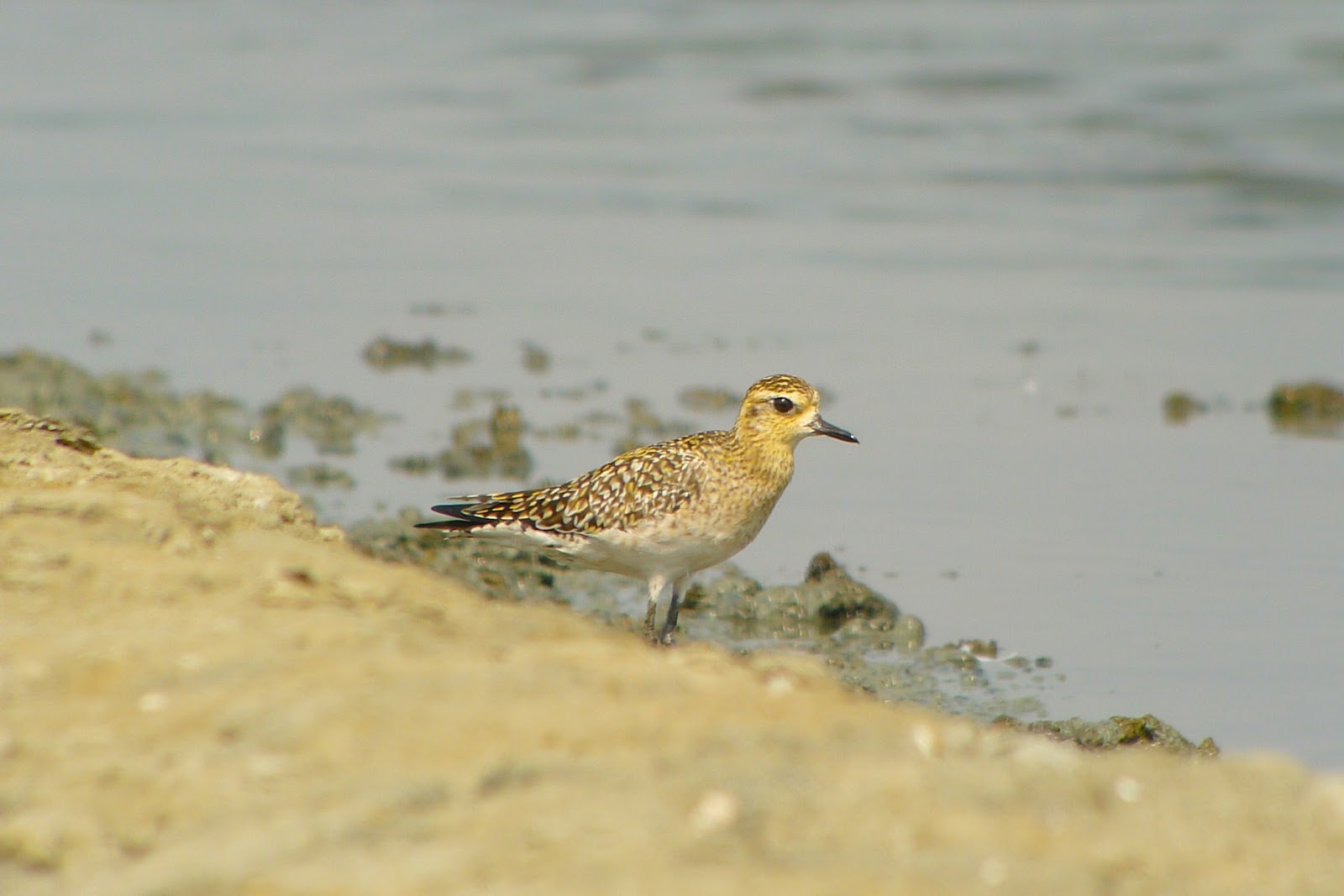
 Pacific Golden Plover
 Little Egret
 Common Greenshank
Little Ringed Plover 
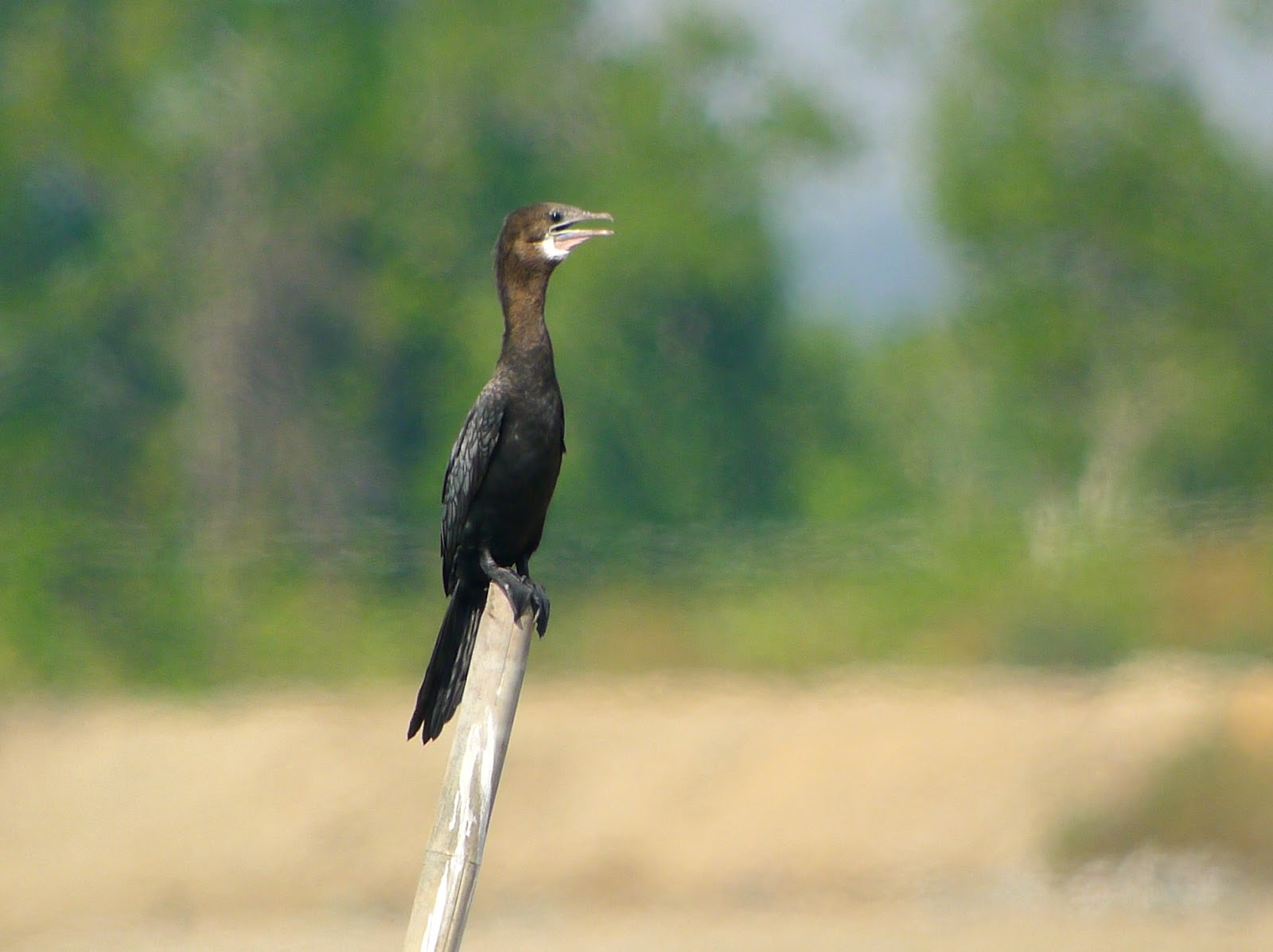
 Little Cormorant
Wood Sandpiper

My last morning in Chiang Mai

 Thick-billed Warbler
 Brown Shrike in the mist
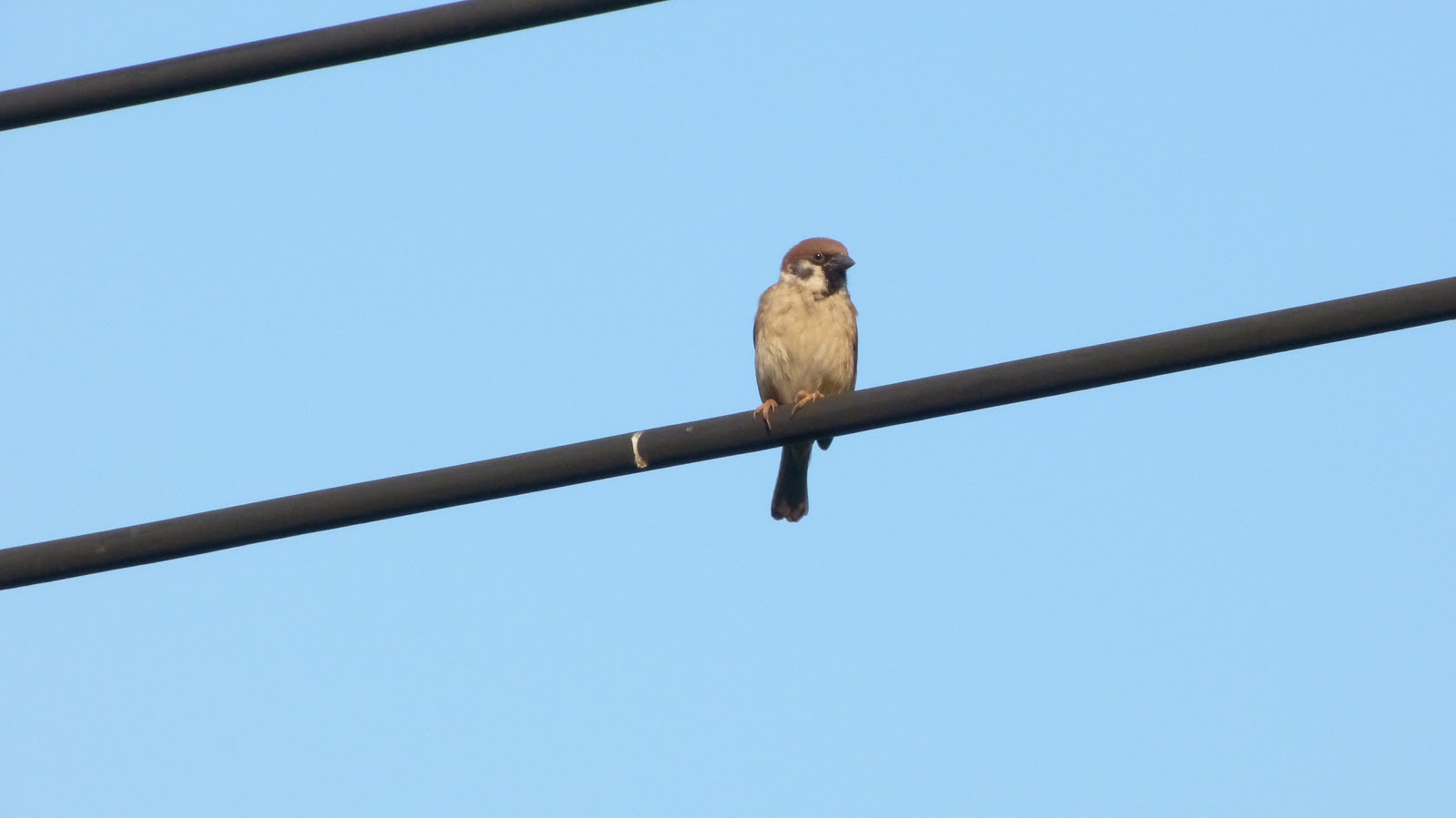
 Tree Sparrow
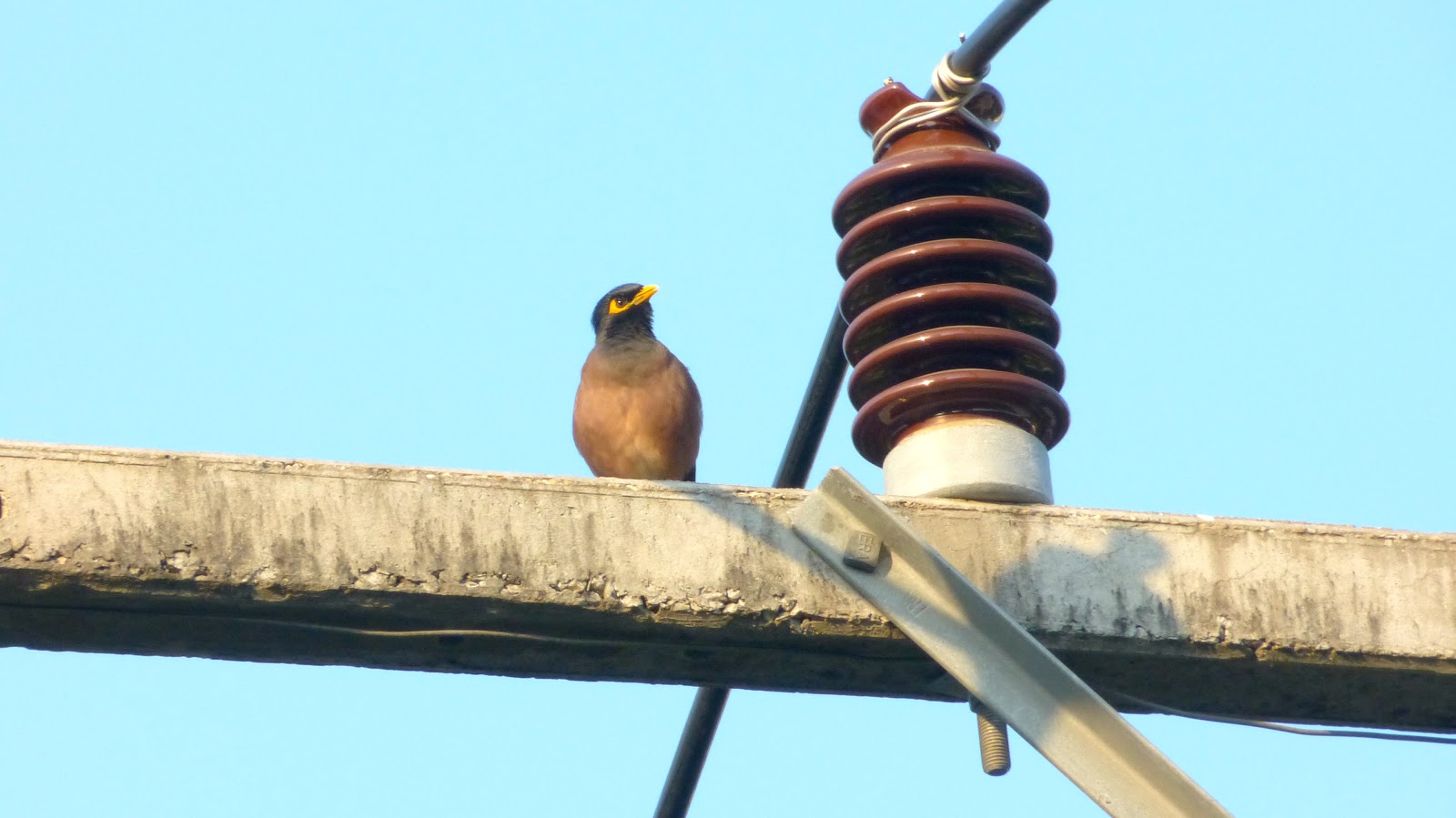
Common Myna

My last morning down at my adopted patch resulted in another lifer – this time a Thick-billed Warbler. I am sure that I glimpsed one yesterday, but today’s bird stood right out in the open churring away. Superficially, it looked like one of the many similarly coloured Streak-eared Bulbul that also hung out in the scrubby bushes. However, closer examination revealed that this bird had the typical reed warbler look. What struck me apart from the sheer size of the bird was its rounded reddish tail, plain face with black beady eye and its white throat. I was well happy with another self found lifer to the list.

My parting gift from my trusty patch was another brief look at an Asian Barred Owlet. As soon as it was aware that I was trying to train my camera in its direction it bolted.

For those interested I have drawn up the list of species that I saw at my patch over three mornings. Meanwhile, I am travelling south to Hua Hin. Check in again tomorrow.

My Chiang Mai patch list

Little Egret – a couple seen over the three days.
Chinese Pond Heron – frequently seen.
White-breasted Waterhen – frequently seen along the watercourse.
Common Moorhen – commonly seen often with the waterhens.
Feral Pigeon – common.
Spotted Dove – common.
Peaceful Dove – 1 seen today. Probably far more common.
Greater Coucal – commonly seen.
Asian Koel – commonly heard.
Green-billed Malkoha – several seen feeding in the trees yesterday.
Himalayan Swiftlet – commonly seen.
Asian Barred Owlet – seen 2 occasions perhaps indicating resident bird.
Collared Kingfisher – 1 briefly. Supposidly a summer visiter to the region.
Barn Swallow – commonly seen.
Wire-tailed Swallow – commonly seen.
White Wagtail – 1 pair seen daily.
Red-whiskered Bulbul – commonly seen.
Streak-eared Bulbul – commonly seen.
Common Stonechat – a female seen on a couple days. Buffy rump & longish tail.
Plain Prinia – commonly seen.
Common Tailorbird – 1 male seen yesterday.
Thick-billed Warbler – at least 1 obliging bird seen today.
Dusky Warbler – commonly heard, rarely glimpsed apart from 1 obliging bird yesterday.
Two-barred Greenish Warbler – 1 watched yesterday.
Yellow-browed Warbler – commonly seen and heard.
Taiga Flycatcher – at least 1 seen daily.
Oriental Magpie Robin – regularly seen.
Brown Shrike – at least 1 really obvious bird seen daily.
Black Drongo – seen reasonably often.
Black-collared Starling – a few birds seen yesterday.
Chestnut-tailed Starling – a few overflying flocks encountered every morning. A beautiful bird.
Common Myna – commonly seen.
White-vented Myna – commonly seen.
Tree Sparrow – very commonly seen.
Baya Weaver – 1 seen on the first two mornings.
Scaly-breasted Munia – commonly seen.

36 species including 2 lifers

A lifer on my patch!

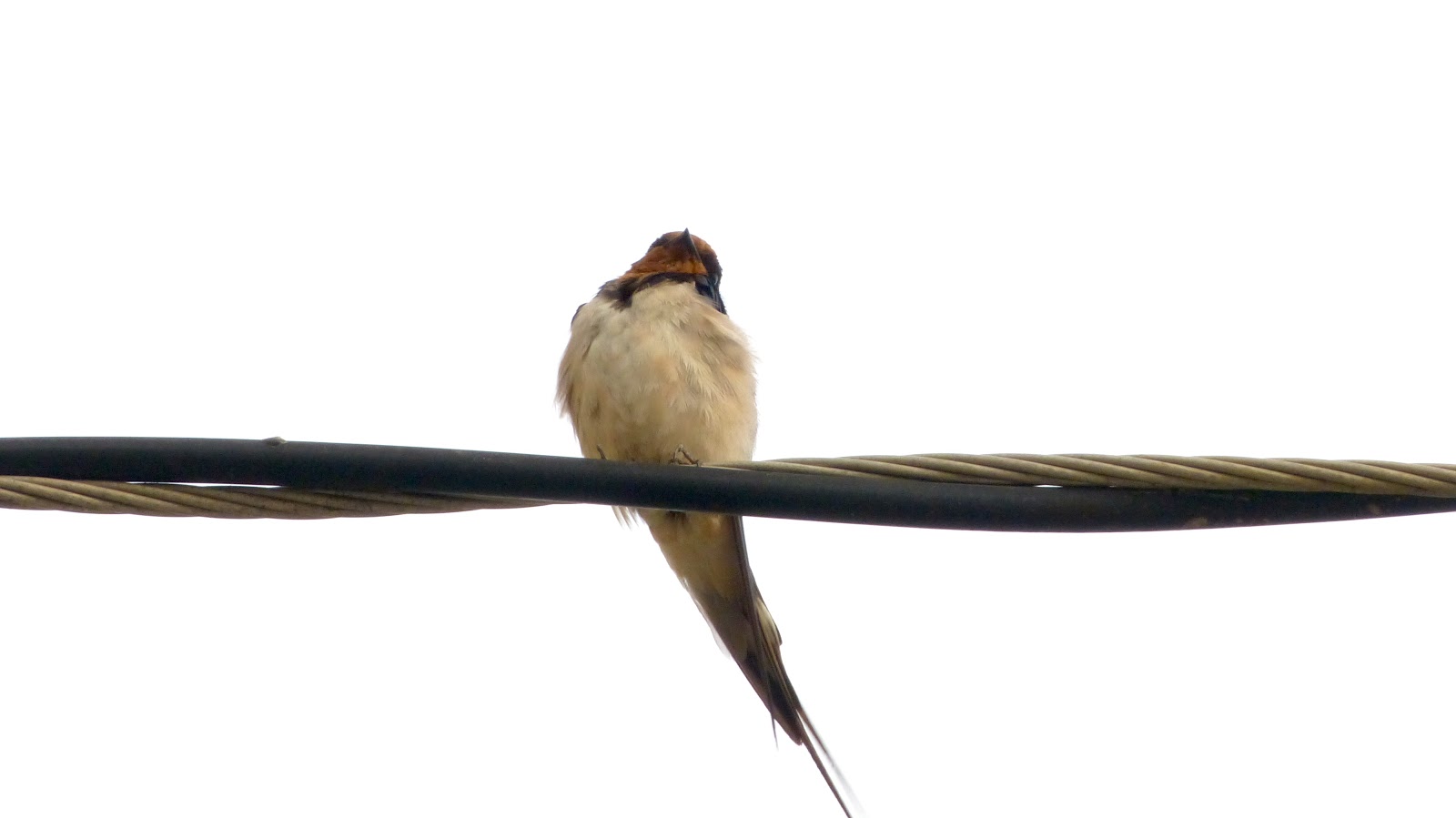
Barn Swallow

Dropped into my Chiang Mai local patch this morning and effectively saw the birds that I saw yesterday. All was pretty quiet at first sight. I did enjoy prolonged views of a Dusky Warbler in a tree. This was a feat that was nigh on impossible yesterday when I spent the best part of three hours just catching the barest of fleeting glimpses of this unobtrusive warbler.

I decided to move on after about an hour to explore another section of my patch that snaked to the west following the meander of the lily clogged stream that ran through the heart of the area. After being woofed at by a gang of Thai dogs I settled in an area of open woodland that also stank to high heaven of human faeces. Perfection!

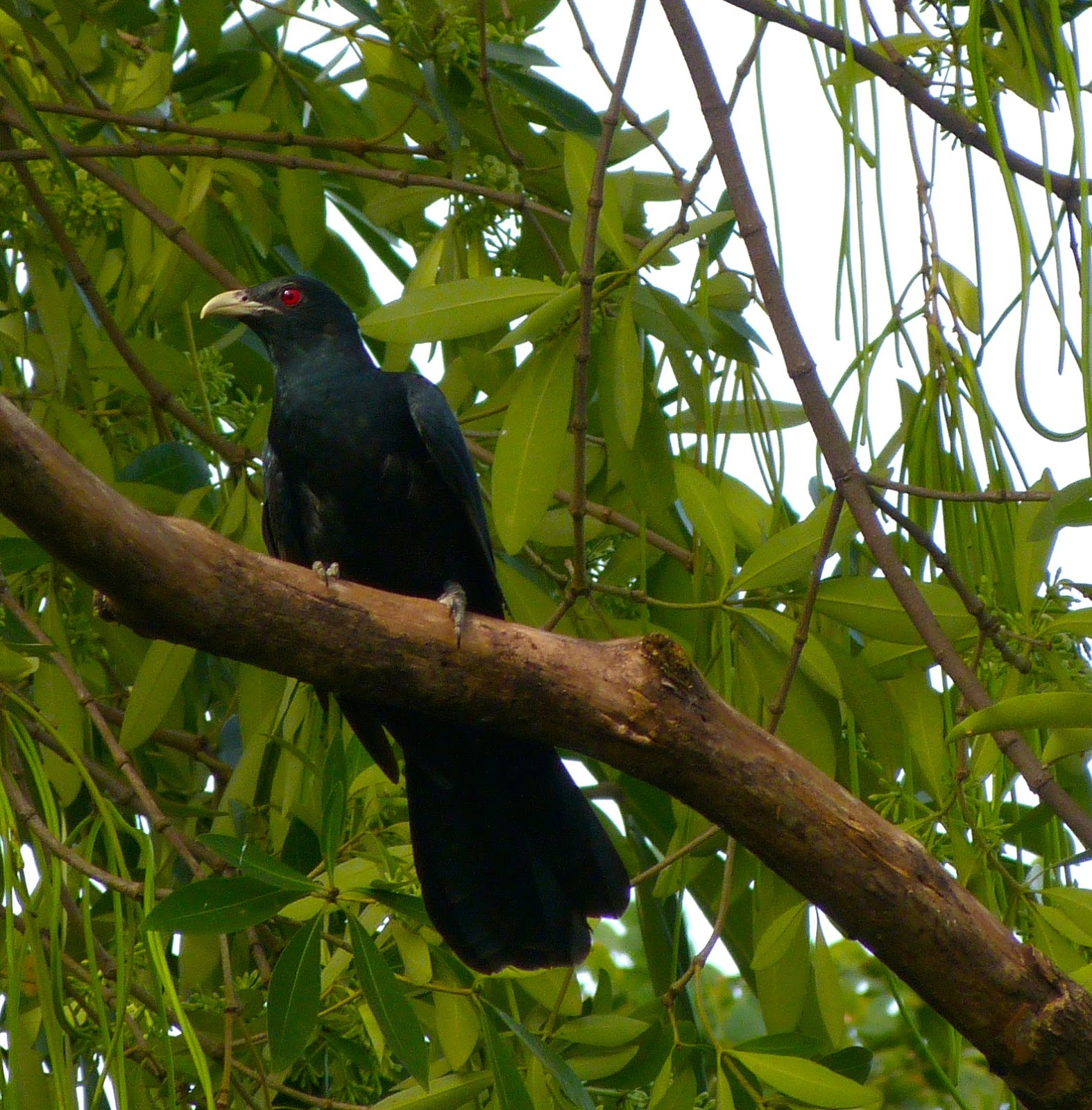
I was rewarded with several Black Drongos, Asian Koels large pheasant-like brown and black cuckoos and a hunting Brown Shrike. I managed to score a lifer in the shape of several Green-billed Malkoha – another large though gaily plumaged cuckoo with a lime green bill.

Tomorrow’s my last day in the city before journeying south to Hua Hin on the coast. So, that will be one last morning on my patch. Let’s hope it’s a good one…..

Happy New Year – from my temporary local patch in Chiang Mai!!

Firstly, I would like to wish all the followers of this blog and anybody else not indulging in the pleasure in reading this entry a very special, very healthy and a prosperous (both in wealth and birds) 2013!
For the last few days I have been experiencing the delights of Bangkok and latterly Chiang Mai. The former city I had experienced before last Christmas but Chiang Mai, up in the north, was a new thing for me. Aside from the usual temple visits and general sightseeing I’ve also been getting some birding under my belt. Visits were made to Doi Inthanon National Park, home to Thailand’s highest mountain peak, led by Neil Scott who for the summer months of the year is the warden of the Natural Trust’s Scolt Head Island Reserve in Norfolk (http://norfolkbirderinthailand.blogspot.com/). I also went to Huay Teung Tao, a large recreational area fairly close to Chiang Mai that is owned by the military. Finally, yesterday I was reunited with my old Bangkok based friend, Dave Gandy (http://bangkokcitybirding.blogspot.com/), who took me around Doi Suthep – again close to the heart of the city – packed with people and a couple of good birds  including Martens’s Warbler, a bird I had never heard of before!
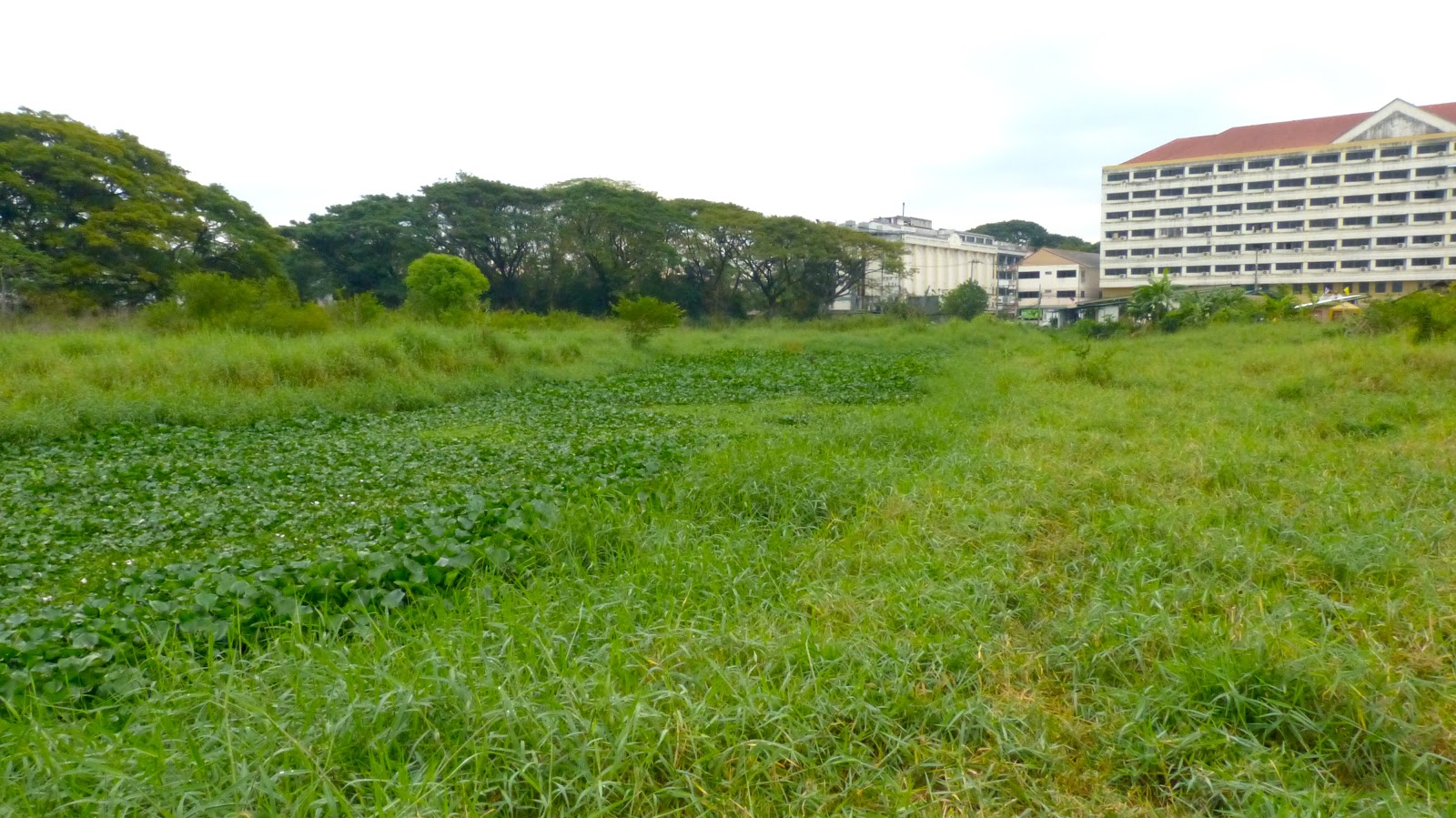
Today I visited a patch of land 10 minutes from my hotel in east of the city, east of the River Ping. At around 10 acres, it is surrounded by humanity with all it’s garbage. The site has a lily choked stream running through it and on either side of its banks is scrubby land with a few large trees. 
 The ugly housing block that presides over the eastern end of my nameless patch
 The lily choked water course

I got there at dawn this morning and had an array of species. Wire-tailed and Barn Swallows swilled overhead alongside Himalayan Swiftlets. White-breasted Waterhens and Moorhens frequented the marshy bits. I even found a Asian Barred Owlet briefly before it saw me and powered off ploughing into a nearby tree sending every other bird piling out in the opposite direction!

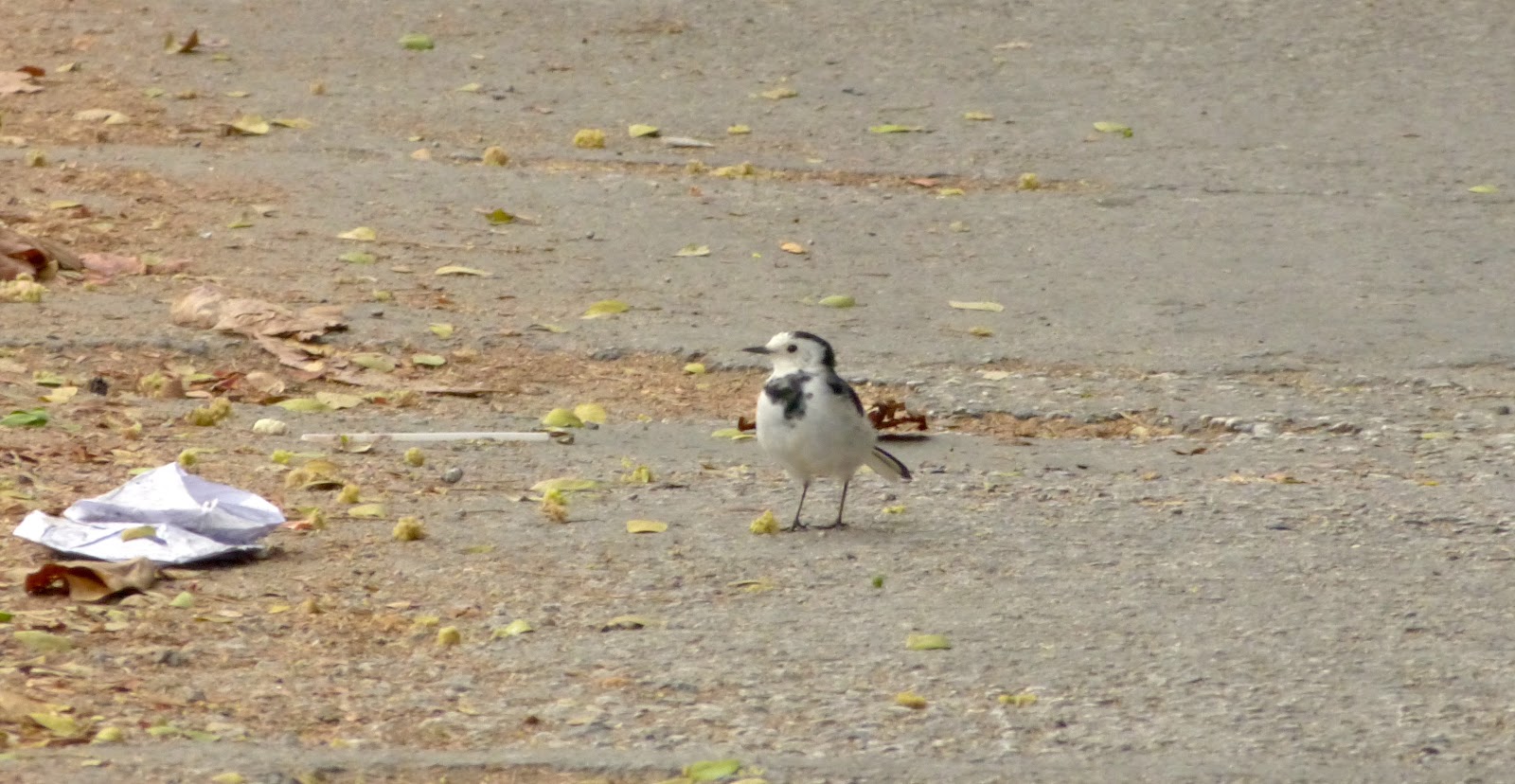
 White Wagtail 
 Taiga Flycatcher
 A female Stonechat
 An immature Scaly-breasted Munia
 A non-breeding male or female Baya Weaver
Black Drongo

I’m loving my temporary patch complete with barking dogs and litter. I’ll be back in the morning!

Chiang Mai Urban Birding

 Female Olive-backed Sunbird
 Spotted Dove
 Asian Palm Swift
 Oriental Magpie Robin
 Brown Shrike
Yellow-browed Warbler
More details to follow tomorrow……promise!

First days in Chiang Mai

 Asian Barred Owlet
 Chestnut-tailed Starling
 1st winter Taiga Flycatcher
 Yellow-browed Warbler
 Asian Emerald Cuckoo
 Olive-backed Pipit
 Common Myna
Ashy Wood Swallow

Some of the delights that I have been ogling at since my arrival in this quite cool and arty city in northern Thailand.

More tomorrow.

Christmas in Bangkok

 Asian Koel
 Asian Open-billed Stork
 Asian Brown Flycatcher
 Peaceful Dove
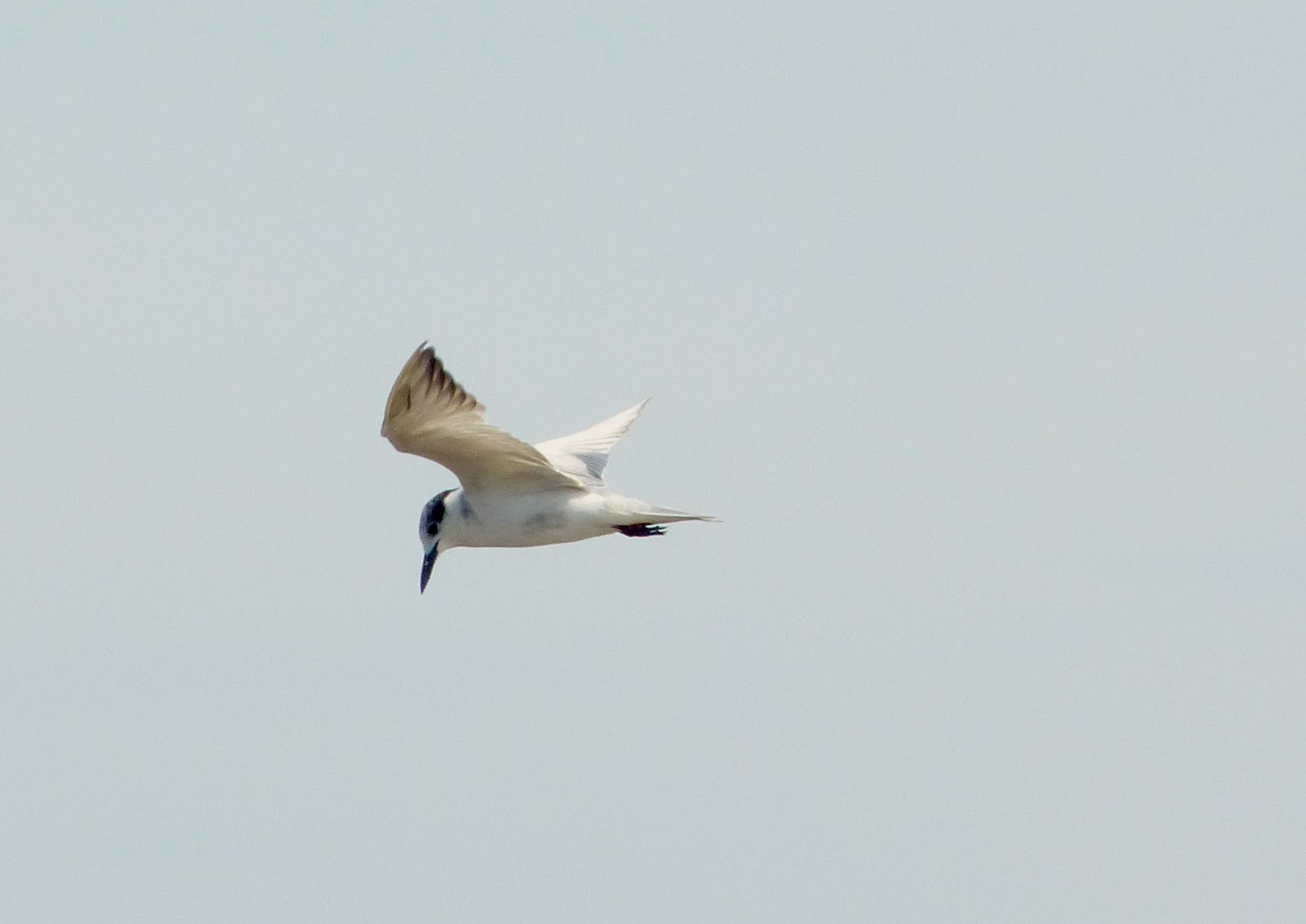
 Whiskered Tern
 Brown-headed Gull
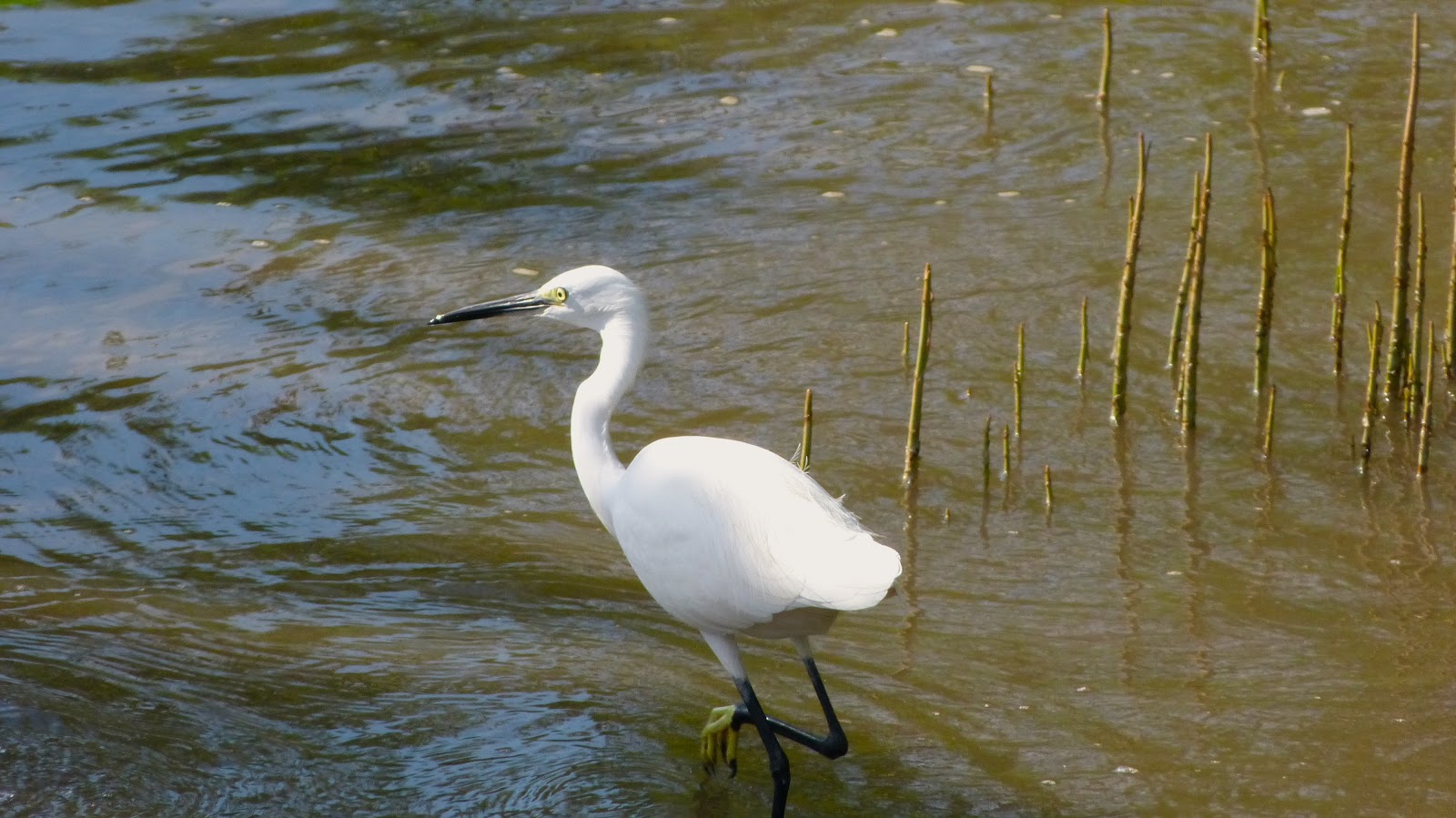
 Little Egret
 Coppersmith Barbet
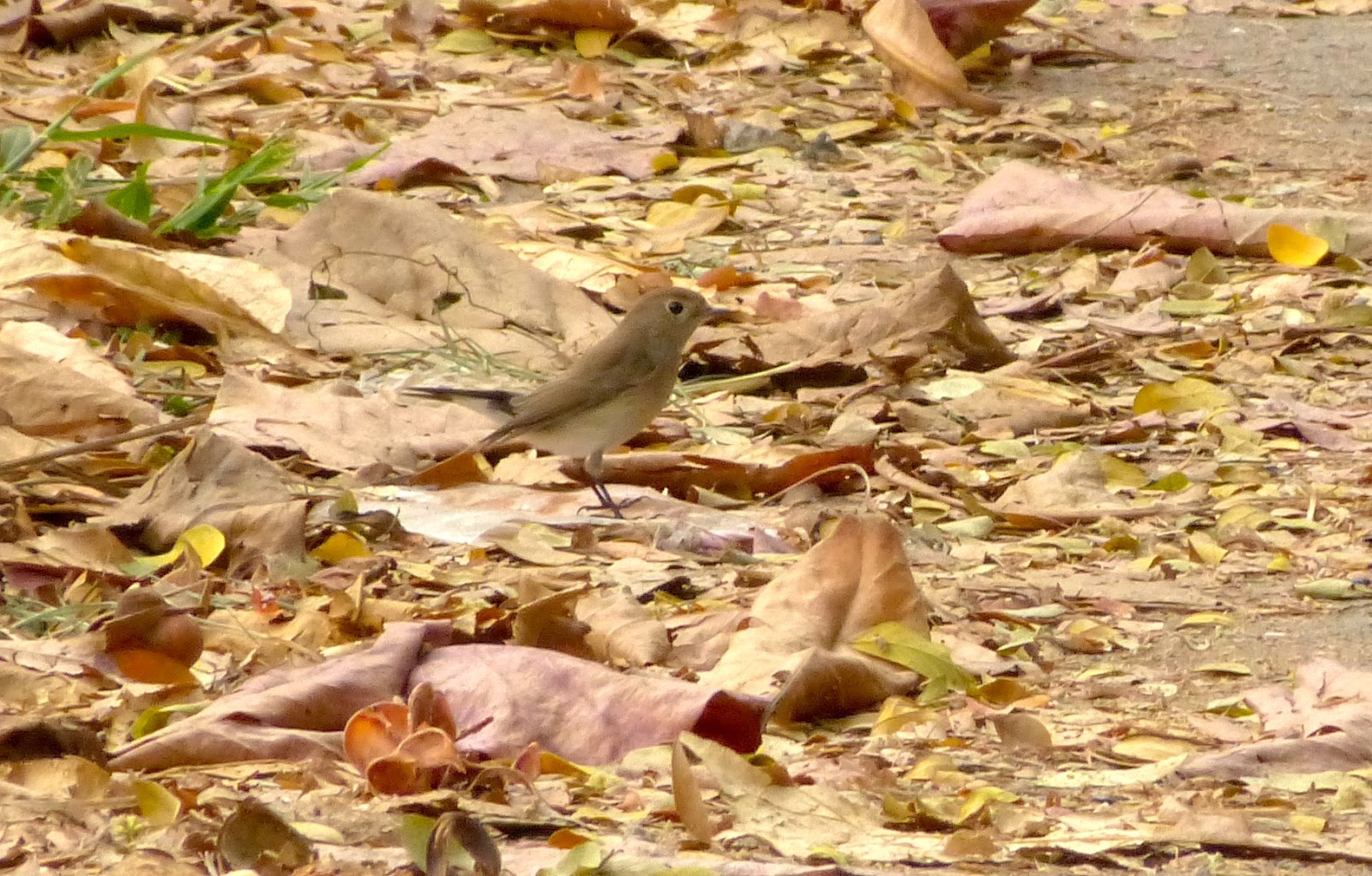
female flycatcher sp

I’ve run away. I’ve escaped the torrential London rain, grey skies and wind to migrate east to Thailand. Billed as a bit of rest and relaxation I will spend Christmas in Bangkok then on Boxing Day fly north to hang out in Chaingmai for a week. Thereafter, I will fly back to Bangkok then head to the coast at Hua Hin to chill for a further three days before heading back to Blighty. Whilst in Hua Hin I plan to head up to Pak Thale to see if I can spy an ultra-rare Spoon-billed Sandpiper or two. So keep tuned.

Today, I went to Suan Rot Fai a 60 hectare park that is also the local patch watched by my mate Dave Gandy, an ex-pat that has been residing in Bangkok for a number of years now. We had a good selection of birds during our morning stroll including Black-naped Orioles, Yellow-browed Warblers and Black-collared Starlings.

We also refound a strange female flycatcher that Dave had found a few days previously. This may not mean much to many of you reading this but it could be a female of the following species: Hainan Blue, Blue-throated or Hill Blue Flycatcher.

What do you reckon?

Bye Bye Bramble

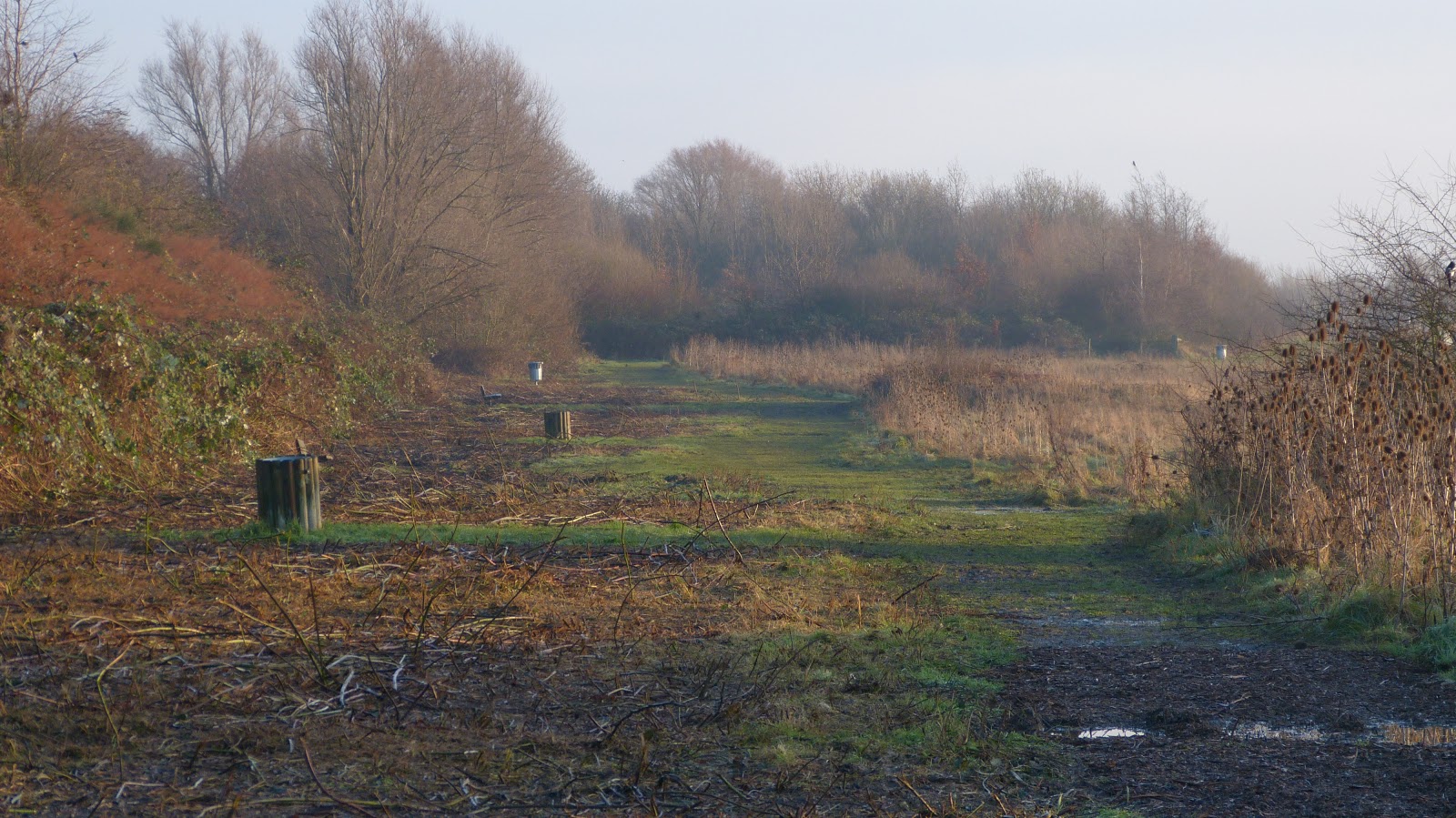
 The scene adjacent to the embankment area
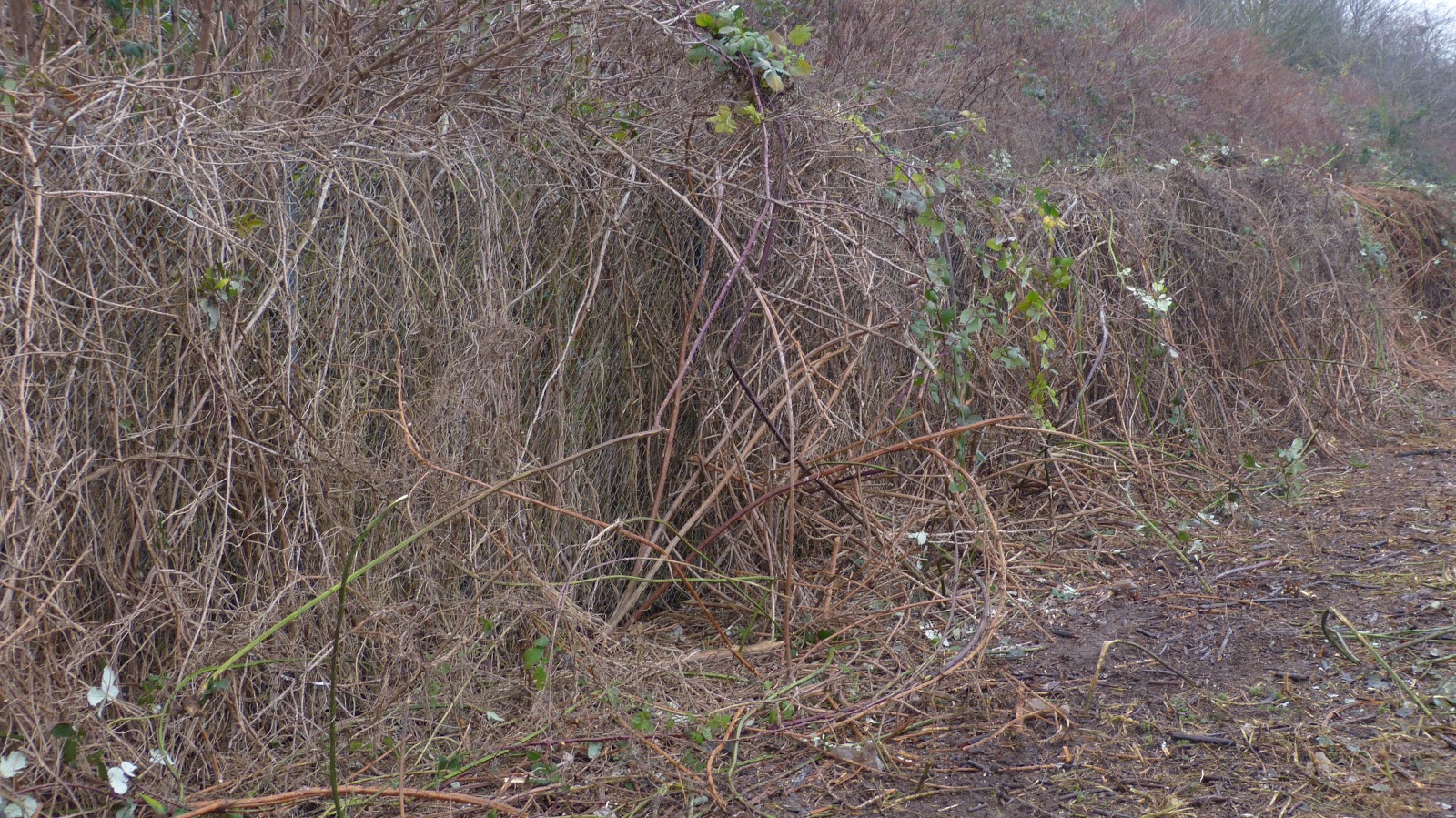
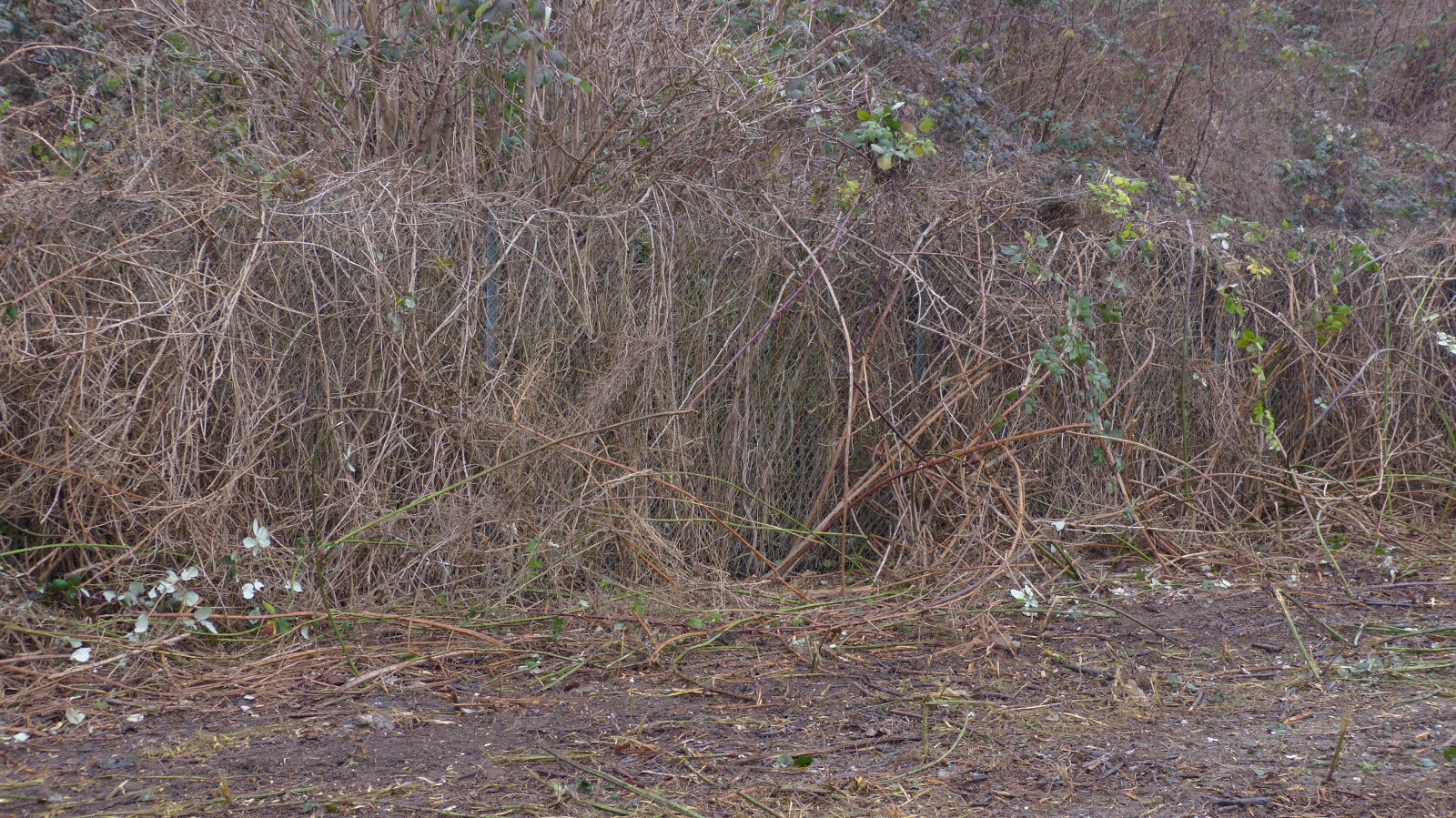
 Shaved to the fence
 Looks pretty severe but it will grow back
A bit of work is going to carried out at my beloved patch over the next few months largely designed to make the place more attractive to wildlife and the users of the area. 
The powers that be claim that the grassland area will be made part of the local nature reserve in the New Year. I dearly hope that happens so that the breeding Meadow Pipits have a bit more protection. We have the closest colony of this essentially rural bird to central London.
I’m so proud to have them breeding on my patch.

The Scrubs update

Female Reed Bunting

Since my last triumphant posting in which I trumpeted the fact that we had achieved the magical milestone of 95 for the year at The Scrubs, changes have occured.

Three nights ago, a drunken Scrubber (a Wormwood Scrubs birder) was returning from his office Christmas party. He was a little worse for wear and got off at the wrong station ending up near The Scrubs. He decided to take a short cut and walk through The Scrubs. In the dark near Scrubs Lane Wood he pulled out his ipad (not a wise move and not one that I would endorse given the site’s propensity for potentially attracting small time nocturnal criminals) and proceeded to play both Little Owl and Tawny Owl calls. After receiving no response, he put his computer away and continued homeward. He then suddenly heard a Tawny Owl hoot. Thinking that he had left his ipad on he stopped to check his bag when a Tawny Owl flew from a tree and headed down the road – no.96!

Yesterday, I strode through the grassland and flushed one Wren, one Blue Tit and a Woodcock!! No. 97!

Will we get three species before 2012 is out?

We’ll Take Five

Bohemian Waxwing (Will Webb)

We are in the midst of a bird slowdown here at The Scrubs right now. This is a classic situation during the winter on my patch. The 100 species target for the year was looking like a bleak, distant and totally unrealistic proposition until we added three new birds over the past couple of weeks; Goshawk, Green Sandpiper and last week’s lone Waxwing that was picked up calling and flying north over the grassland.

Our 2nd ever record, following the five or so briefly seen twice during the last Waxwing Winter two years ago. Of course, I wasn’t there to see either sets of birds and indeed, I’m still yet to see a Waxwing anywhere this winter yet and I am certainly not considering twitching any. Well not just yet……..

In the meantime, we’re not greedy. We don’t need to exceed our 100 species target we just want to reach it for the first time. So if there are any birding gods out there, we’ll just take five. We’ll be happy with that.

The end of a Serbian adventure

 Milan Ruzic – our brilliant and lovable Serbian guide
 More of those fantastic Long-eared Owls
 Corn Bunting
Sparrowhawk

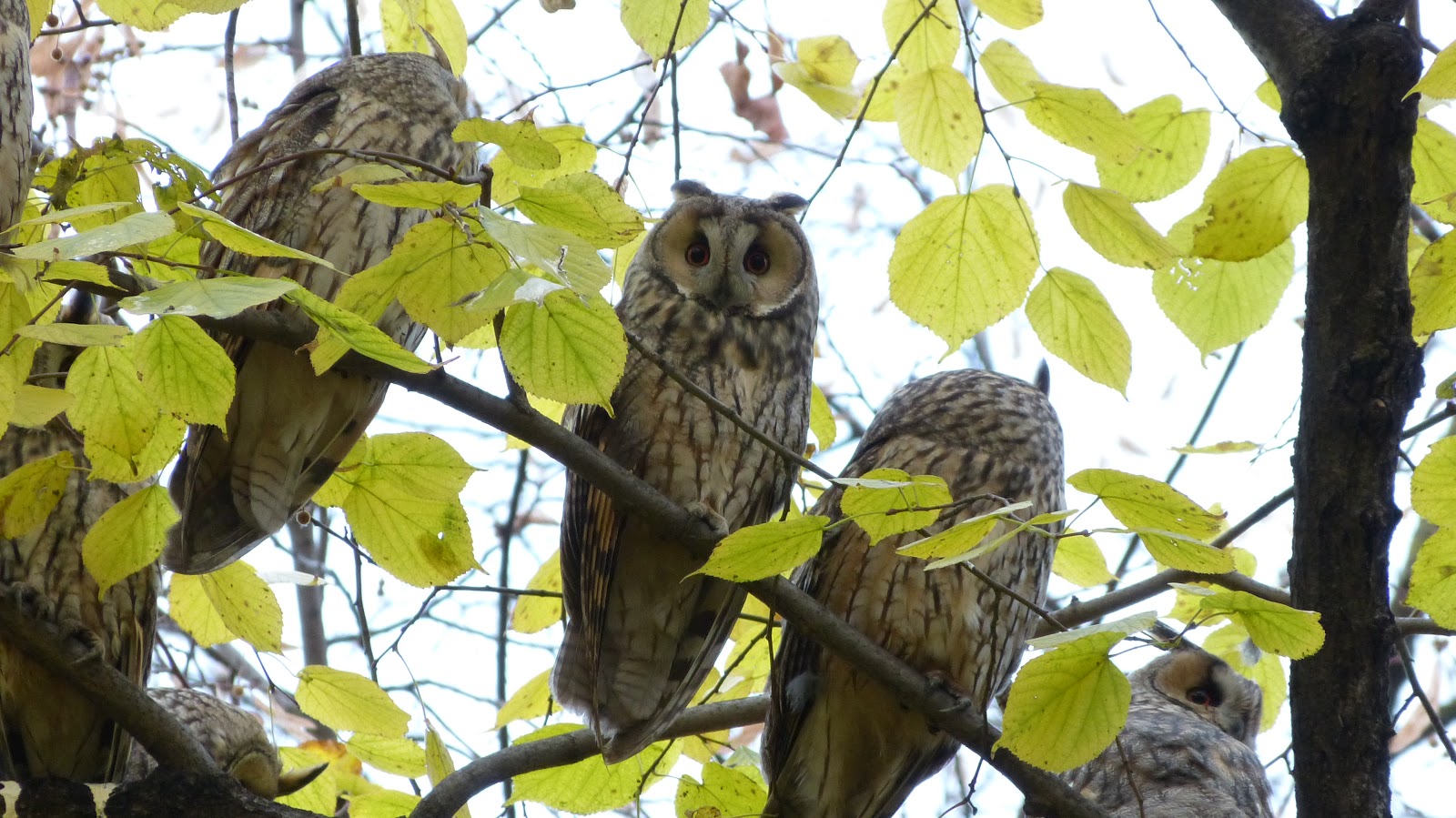
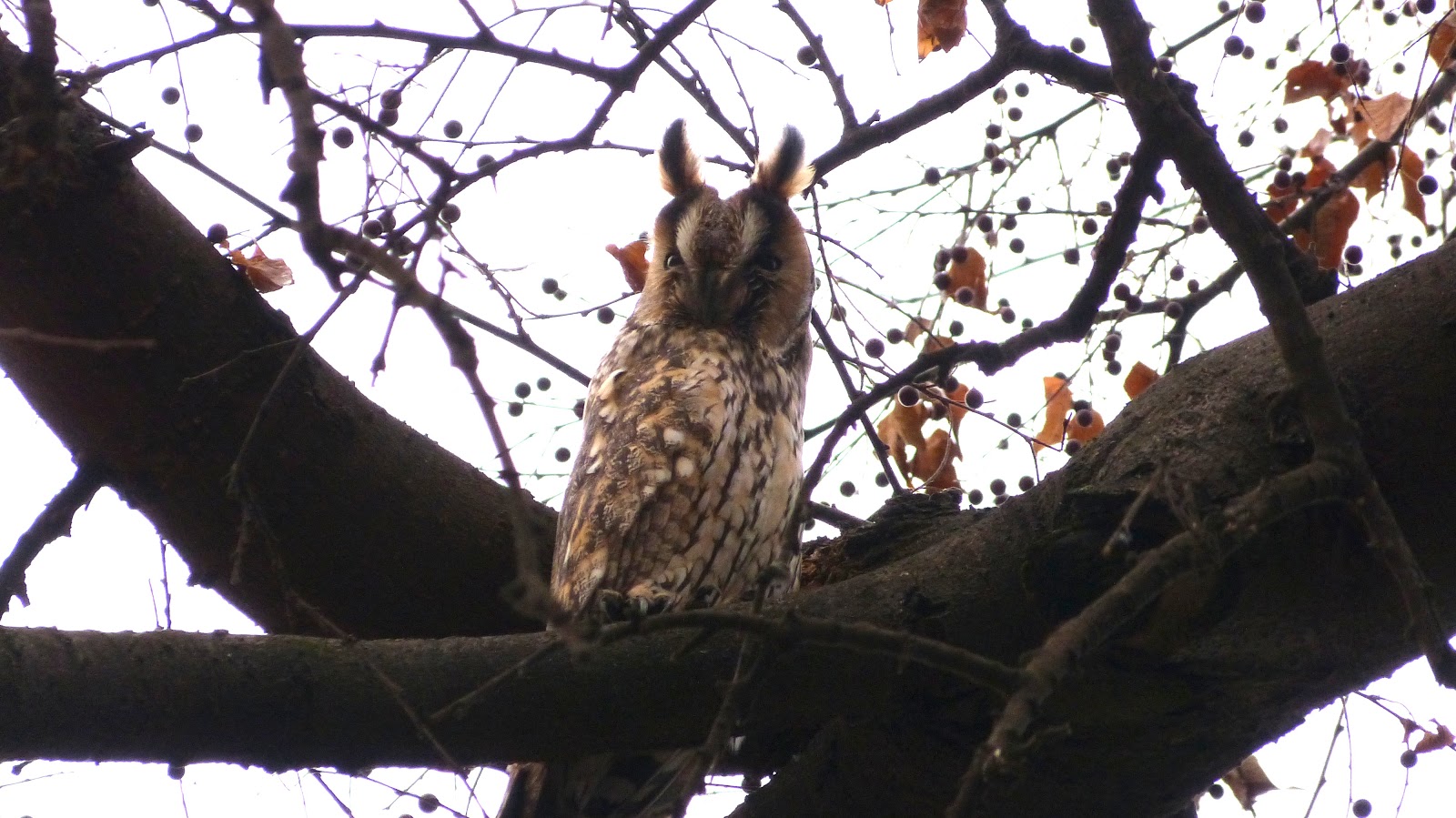
I’m fresh back from an amazing tour of Serbia. As you may recall from yesterday’s entry, we saw loads of Long-eared Owls. Indeed, we probably ended our long weekend with upwards of 1,000 birds seen. To put that into prospective that’s quite possibly nearly half the entire UK population seen in a handful of towns in the Pannonian Plain. The whole region receives around 30,000 wintering LEO’s. That’s exceptional!

My co-guide was the inimitable Milan Ruzic, a Serb ornithologist who has put his heart and soul into studying and preserving all of Serbia wildlife and especially the country’s owls and other birds of prey. Without him we would not have found a third of the owls as he had an uncanny knack for seeking them out.

All the participants of the tour seemed to be completely bowled over by the sight of so many owls. The dull and freezing conditions did little to dampen spirits. Nothing could beat the those owls. We did see other birds including an obliging Great Grey Shrike, skiens of White-fronted Geese, a couple flocks of Common Crane, several White-tailed Eagles, a Hen Harrier, several Marsh Harriers, lots of Common Buzzards and Kestrel. Waterbirds were well represented with many Pygmy and Great Cormorants, Great Egrets, Grey Heron, Pintail, Mallard, Teal, Wigeon, Shoveler and Shelduck.

You must come and see the owls here in Serbia though. If you are interested in coming on my spring tour in May next year when we will be watching many breeding LEO’s then let me know.

Serbian Owl Bonanza!!

 You lookin’ at me?
 Who are you?
 Where do you think you’re going?
 Not you again!
 A tiny portion of the Long-eared Owls that I saw today in Serbia
TUB being interviewed by the Serbian media about the owl phenomenon in Kikinda

I never though that I would live to see the day when 600 Long-eared Owls would enter my life. Yes, 600 you read it right. All of them were perched in their daytime roosts in the three towns that I visited with the tour group that I am leading in Serbia.

The best town was my favourite, Kikinda – 16km from the Romanian border in northern Serbia. We saw half our total in the town’s square alone! I heard the great news that the square will be made into a nature reserve from next year making it the only one of its kind in the world. How amazingly cool is that!?!?

Why are there so many owls?

Well, seeing as the farming methods are relatively simple in the countryside surrounding the urban roosts it has encouraged a huge number of rodents to proliferate providing abundant food not only for the LEO’s but Barn and Short-eared Owls but for a number of raptors too.

You have to come out here to witness this incredible phenomenon for yourselves!

North West Bird Watching Fair at WWT Martin Mere

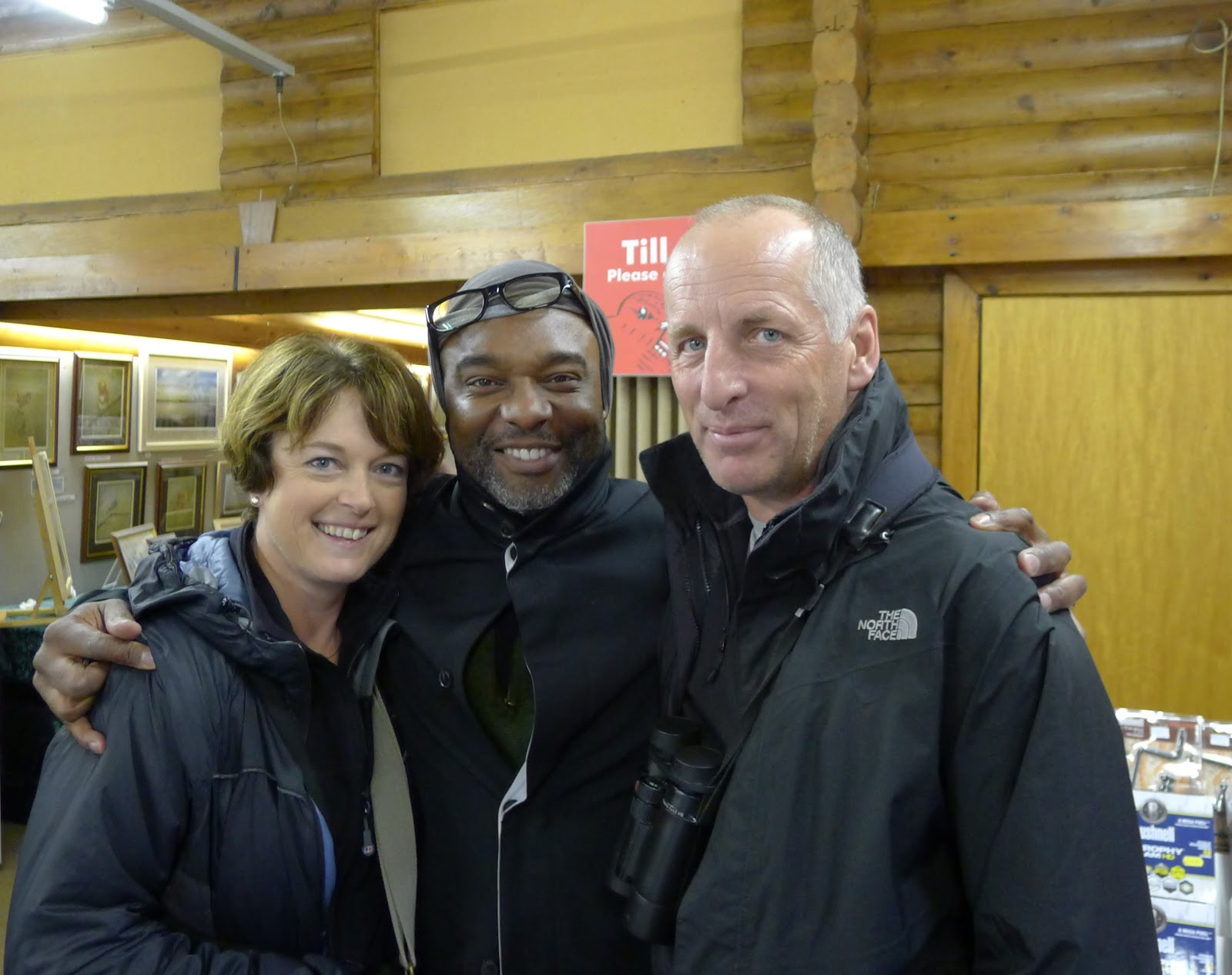
 TUB with the fabled Ruth Miller & Alan Davies of The Biggest Twitch fame
The queue for my talk

I woke up Sunday morning in a hotel room around six miles from WWT Martin Mere in Lancashire. For the second year running they had asked me to come and give a talk at their Birding Festival.

I really enjoy the atmosphere at the fair plus it’s nice to meet some of my mates up there too. The talk was well attended and the audience seemed to appreciate the gags I attempted.

I’ll be back in 2013 – if I’m invited that is!

Back at the ranch

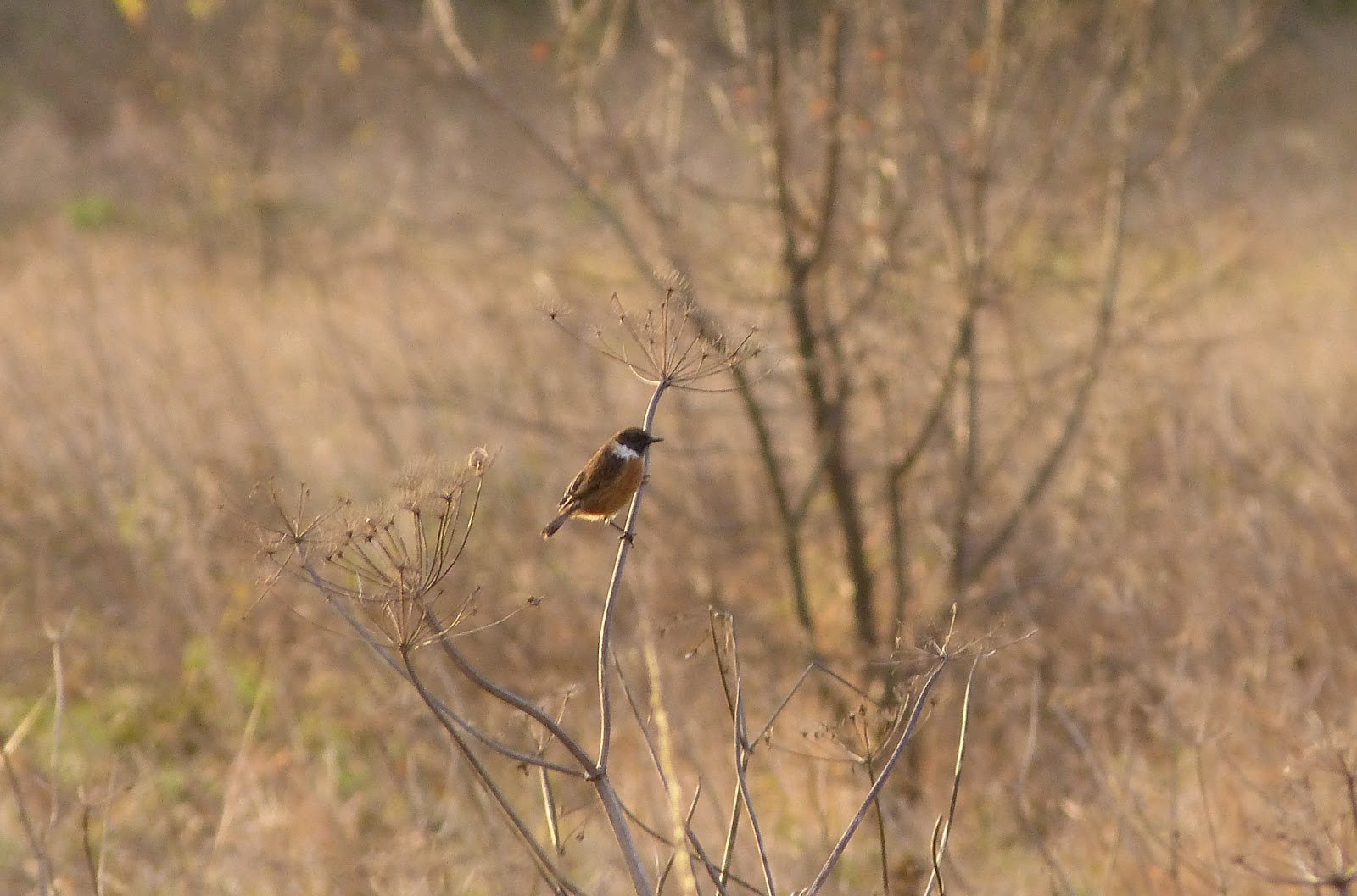
Winter male Stonechat

It seemed almost strange to once again patrol the urban expanses of Wormwood Scrubs after swanning around on so much foreign soil over the last couple of weeks. But I was definitely home though because thr wind was howling and the rain was pouring the night before.

I met up with a couple of the Scrubbers and we collectively strolled around to see what we could. Aside from around 30 Fieldfares all told passing overhead, a couple of Redwing and a Stonechat duo, all was quiet.

At 9am I had a meeting on site with several members of the council (Hammersmith & Fulham), the grounds maintainance contractors and the conservation officer from Groundwork to discuss the wildlife management plan. I was pleased to see that we are all singing from the same hymn sheet. That really was a comforting thought.

One for the listers

A female Baglafecht Weaver

It’s been a long time coming but I’ve finally managed to compile the list of birds that I managed to remember seeing in Nairobi. It’s such an amazing city for urban birding. With over 600 on its official list you can easily see over 200 species in a couple of days.

I managed nearly 300 in 5 days. Nairobi is well worth a gander.

Common
Ostrich
Pink-backed
Pelican
Great Cormorant
Long-tailed Cormorant
African Darter
Black-crowned Night Heron
Cattle Egret
Squacco Heron
Madagascar
Squacco Heron
Little Egret
Yellow-billed Egret
Great Egret
Goliath
Heron
Grey Heron
Black-headed Heron
Hammerkop
Yellow-billed Stork
Black Stork
Saddle-billed Stork
Marabou
Sacred Ibis
Hadada Ibis
Glossy Ibis
African Spoonbill
Egyptian Goose
White-faced Whistling Duck
Maccoa Duck
Red-billed Teal
Hottentot Teal
White-backed
Duck
Yellow-billed Duck
African Black Duck
Southern Pochard
Black Kite
Black-shouldered Kite
Secretary
Bird
African Fish Eagle
African White-backed Vulture
Ruppell’s
Griffon Vulture
Brown Snake Eagle
Montagu’s Harrier
Pallid Harrier
Eastern Chanting Goshawk
Gabar Goshawk
Little
Sparrowhawk
Great Sparrowhawk
African
Harrier Hawk
Augar Buzzard
Common Buzzard (and Steppe Buzzard)
Tawny Eagle
Steppe
Eagle
Greater Spotted Eagle
Booted Eagle
Bateleur
Long-crested Eagle
Martial
Eagle
Eurasian Hobby
Eleonora’s
Falcon
Helmeted Guineafowl
Crested
Guineafowl
Yellow-necked Spurfowl
Harlequin Quail
Black
Crake
Purple Swamphen
Red-knobbed Coot
Common Moorhen
African Jacana
Grey
Crowned Crane
Kori Bustard
White-bellied Bustard
Black-bellied
Bustard
Black-winged Stilt
Spotted
Thick-knee
Blacksmith Lapwing
Spur-winged Lapwing
Crowned Lapwing
Kittlitz’s
Plover
Three-banded Plover
Ruff
Common Sandpiper
Wood Sandpiper
Green Sandpiper
Greenshank
Marsh Sandpiper
Little Stint
Grey-headed Gull
Gull-billed Tern
Whiskered Tern
Speckled Pigeon
Emerald-spotted
Wood Dove
Namaqua Dove
Ring-necked Dove
Red-eyed Dove
African Mourning Dove
Laughing Dove
Dusky Turtle Dove
Brown
Parrot
Purple-crested
Turaco
Hartlaub’s
Turaco
Jacobin Cuckoo
Red-chested
Cuckoo
Diederik Cuckoo
Klaas’
Cuckoo
White-browed Coucal
Little Swift
White-rumped Swift
Mottled
Swift
Nyanza Swift
African Palm Swift
Speckled Mousebird
Blue-naped
Mousebird
Narina Trogan
Pied Kingfisher
Striped Kingfisher
Giant
Kingfisher
Malachite Kingfisher
Little Bee-eater
Cinnamon-chested
Bee-eater
European Bee-eater
White-fronted
Bee-eater
Von der Decken’s Hornbill
African Grey Hornbill
Spot-flanked
Barbet
Black-throated
Barbet
White-headed
Barbet
d’Arnaud’s Barbet
Red-and-yellow
Barbet
Wahlberg’s
Honeybird
Red-throated
Wryneck
Cardinal Woodpecker
Grey
Woodpecker
Rufous-naped
Lark
Fawn-coloured
Lark
Red-capped Lark
Fischer’s
Sparrow Lark
Rock Martin
Plain Martin
Banded
Martin
Red-rumped Swallow
Lesser Striped Swallow
Barn Swallow
Wire-tailed Swallow
Black Saw-wing
African
Pied Wagtail
Mountain
Wagtail
Cape Wagtail
Yellow Wagtail
Yellow-throated
Longclaw
Sharpe’s
Longclaw
Rosy-breasted
Longclaw
Grassland Pipit
Black
Cuckoo-shrike
Common Bulbul
Yellow-whiskered
Bulbul
Cabanis’
Greenbul
White-starred
Robin
Cape Robin Chat
White-browed Robin Chat
Ruppell’s Robin Chat
Olive Thrush
Common
Rock Thrush
Northern
Anteater Chat
Common Stonechat
Whinchat
Northern Wheatear
Isabelline
Wheatear
Nightingale
White-browed Scrub-Robin
Spotted
Morning Thrush
Dark-capped
Yellow Warbler
Garden Warbler
Blackcap
Buff-bellied
Warbler
Willow Warbler
Red-faced Crombec
Brown
Parisoma
African
Moustached Warbler
Zitting Cisticola
Desert
Cisticola
Tiny
Cisticola
Stout
Cisticola
Rattling
Cisticola
Winding
Cisticola
Levaillant’s
Cisticola
Singing
Cisticola
Red-faced
Cisticola
Hunter’s
Cisticola
Whistling
Cisticola
Siffling
Cisticola
Tawny-flanked Prinia
Grey-backed Camaroptera
Grey
Wren Warbler
Yellow-breasted Apalis
White-eyed
Slaty Flycatcher
African Grey Flycatcher
Pale
Flycatcher
Spotted Flycatcher
African Paradise Flycatcher
Northern
Pied Babbler
White-bellied
Tit
Red-throated
Tit
Abyssinian White-eye
Bronze
Sunbird
Tacazze Sunbird 
Eastern
Double-collared Sunbird 
Amethyst
Sunbird
Scarlet-chested
Sunbird
Beautiful
Sunbird
Variable Sunbird
Collared
Sunbird
Eastern
Violet-backed Sunbird
Common Fiscal
Long-tailed
Fiscal
Grey-backed
Fiscal
Isabelline Shrike
Red-backed Shrike
Tropical
Boubou
Slate-coloured Boubou
Brubru
Black-backed
Puffback
Rosy-patched Bush-shrike
Northern White-crowned Shrike
Fork-tailed Drongo
Pied Crow
Cape Rook
African Black-headed Oriole
Yellow-billed
Oxpecker
Red-billed Oxpecker
Greater Blue-eared Starling
Superb Starling
Hildebrandt’s
Starling
Wattled Starling
Rufous
Sparrow
House Sparrow
Chestnut
Sparrow
Grey-headed Sparrow
Yellow-spotted Petronia
Speckle-fronted
Weaver
White-browed Sparrow Weaver
Grey-capped Social Weaver
Black-headed
Weaver
Vitelline Masked Weaver
Spectacled
Weaver
Speke’s Weaver
Baglafecht Weaver
Grosbeak Weaver
Holub’s
Golden Weaver
Red-billed Quelea
Jackson’s
Widowbird
Red-collared Widowbird
Yellow Bishop
White-winged Widowbird
Red-cheeked Cordon-bleu
Purple
Grenadier
Red-billed Firefinch
Yellow-bellied
Waxbill
Common Waxbill
Bronze Mannikin
Black-and-white
Mannikin
Pin-tailed Whydah
Brimstone Canary
White-bellied
Canary
Yellow-crowned
Canary
African Citril
Yellow-rumped Seedeater
Streaky Seedeater
Cinnamon-breasted
Rock Bunting
Somali
Golden-breasted Bunting
268
species
103
lifers